FAKTR is a pain management technology that involves the elimination of chronic pain, restoring mobility and optimising the performance of soft tissue. In contrast to the traditional massage or physical therapy, FKTR (Functional and Kinetic Treatment with Rehabilitation) combines the manual treatment with the corrective exercises that are aimed at the causes of discomfort but not at the symptoms. This blog will describe the mechanism of action of FAKTR soft tissue therapy for pain relief, its advantages and the expectations of the patients. It is through such knowledge that people with musculoskeletal pain are in a position to make effective choices that can deliver them long-term benefits.
What is FAKTR Therapy?
FAKTR therapy combines two key components:
- The instrument-assisted soft tissue mobilisation (IASTM)
- Uses specialised equipment to identify and excise tight or scarred tissue.
- Improves blood flow and removes adhesions, which prevent movement.
Targeted Rehabilitation Exercises
- Strengthens muscles surrounding the affected area.
- Promotes proper movement patterns and prevents future injury.
The two sides of this measure render FAKTR useful in both acute and chronic injuries, including tendonitis, plantar fasciitis or shoulder pain.
FAKTR Therapy for Posture and Workplace Pain
Sitting sometimes entails long hours in the modern work environments and this may cause tight muscles, stiffness of joints and poor posture. FAKTR therapy solves the problems related to the pseudo-stagnation of soft tissues due to constant sitting or repetitive motions. The patients can ease the tension on the neck, shoulder, and lower back through instrument-assisted mobilisation and corrective exercises, which will result in improved posture and prevent the occurrence of chronic pain in the workplace.
How FAKTR Therapy Works
The treatment process is systematic and personalised:
Assessment
- The therapist assesses the muscles, mobility of the joints and the posture.
- Identifies areas of dysfunction that contribute to pain.
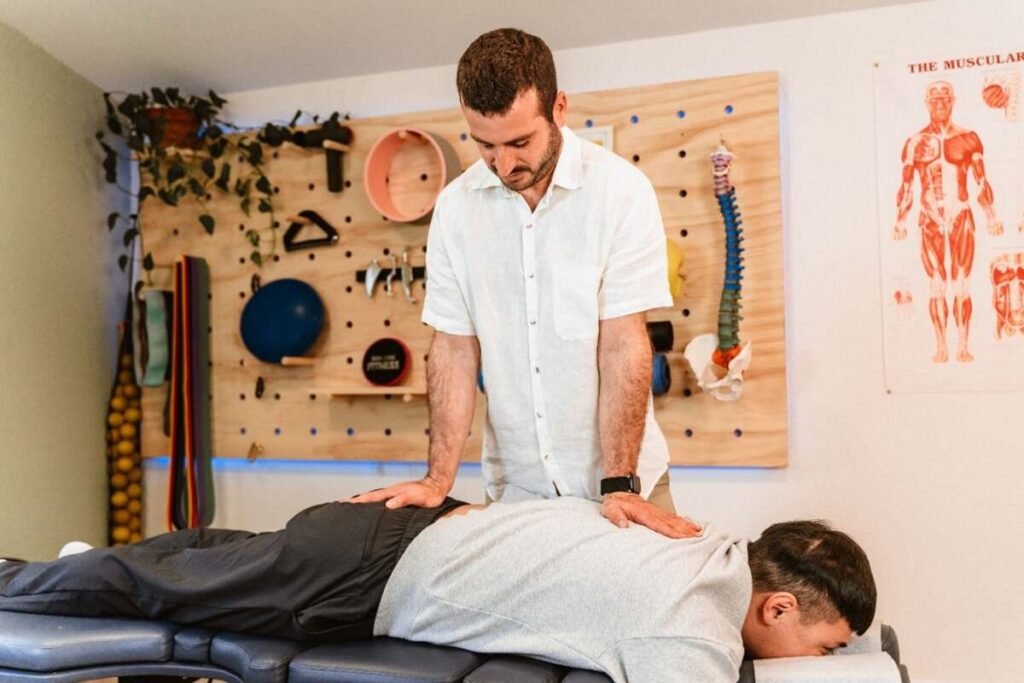
Treatment Application
- Manual techniques and IASTM tools are used to release tight tissue.
- An exertion is forced along the muscle fibers in order to heal.
Corrective Exercises
- Patients perform specific movements to strengthen weakened muscles.
- Focus is placed on improving flexibility and joint mechanics.
This is a treatment mode that deals with short term pain and long term functionality thus best in the case of active adults, athletes and post-injured patients.
Benefits of FAKTR Soft Tissue Therapy
FAKTR therapy offers multiple advantages:
- Pain Reduction – Reduces discomfort caused by tight muscles and adhesions.
- Improved Mobility – Restores normal range of motion in joints and soft tissues.
- Faster Recovery – Speeds up healing for sports injuries or overuse conditions.
- Preventive Care – Helps maintain tissue health and prevent recurring injuries.
- Enhanced Performance – Supports athletes in achieving better movement efficiency.
A noticeable improvement in the patients is a common occurrence after a course of sessions especially when the two (corrective exercises and regular care) are used together.
Who Can Benefit from FAKTR Therapy?
FAKTR therapy is appropriate for a wide range of patients:
- Sports people: To restore performance lost in overuse injuries.
- Chronic Pain Sufferers: In chronic conditions such as tendinopathy or myofascial pain.
- Rehabilitation Post-Injury: This is used to restore strength and movement following a fracture or surgery.
- Office Workers: Helps eliminate local pain in the body due to sitting or repetitive motion.
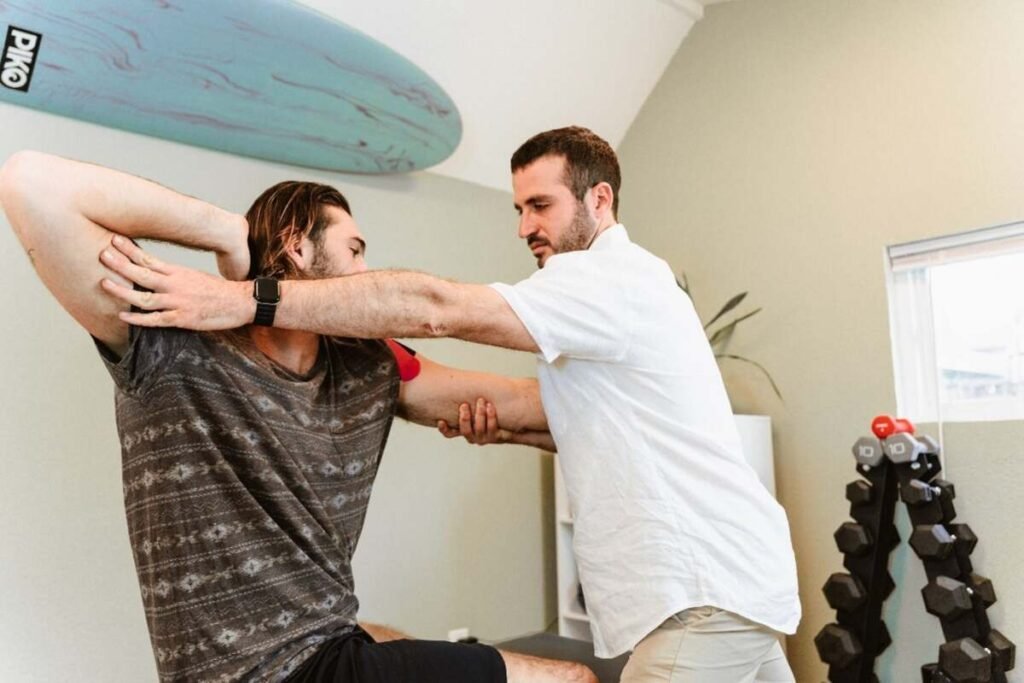
By targeting specific tissue dysfunctions, FAKTR therapy provides personalised solutions for pain relief and functional restoration.
- What to Expect During a Session
- Initial evaluation and discussion of symptoms.
- Application of manual therapy and instrument-assisted techniques.
- Supervised corrective exercises tailored to your needs.
- Recommendations for home exercises and follow-up sessions.
The duration of multiple sessions over several weeks is beneficial to most of the patients depending on the condition.
Integrating FAKTR Therapy into Your Wellness Routine
FAKTR therapy must also be made part of the normal wellness routine to achieve maximum effects. This involves carrying out the exercises as prescribed at home, being active and ensuring that one upholds good ergonomics in the day-to-day tasks. FAKTR therapy can be effectively used as a part of overall musculoskeletal care because, in combination with regular follow-ups, it not only helps relieve pain but also improves the overall well-being of the tissue, its flexibility and functional performance, which is why it is a vital part of long-term care.
Conclusion
FAKTR therapy is a very effective way of treating soft tissues and managing pain and involves the use of accurate manual therapies together with corrective exercises. It manages both the underlying factors of unease and chronic functional restrictions. FAKTR therapy can also restore your sporting aches, pain and prevent further injury, should you get muscle cramps, joint pains or sports injuries.
To receive individual instructions and expert care, call The ChiropractOrr. Did you ever use the FAKTR therapy? Write about your experience or pose questions below.
FAQs
What conditions can FAKTR soft tissue therapy for pain relief treat?
FAKTR therapy is effective for tendonitis, plantar fasciitis, shoulder pain, muscle strains, postural dysfunction, and sports injuries.
How many FAKTR sessions are typically required?
Most patients experience relief after 3–6 sessions, but the exact number depends on the severity and chronicity of the condition.
Is FAKTR therapy painful?
While some pressure is applied to tight tissues, most patients report only mild discomfort, similar to deep tissue massage.
Can FAKTR therapy prevent future injuries?
Yes. By strengthening muscles, improving mobility, and correcting movement patterns, FAKTR therapy reduces the risk of recurring injuries.