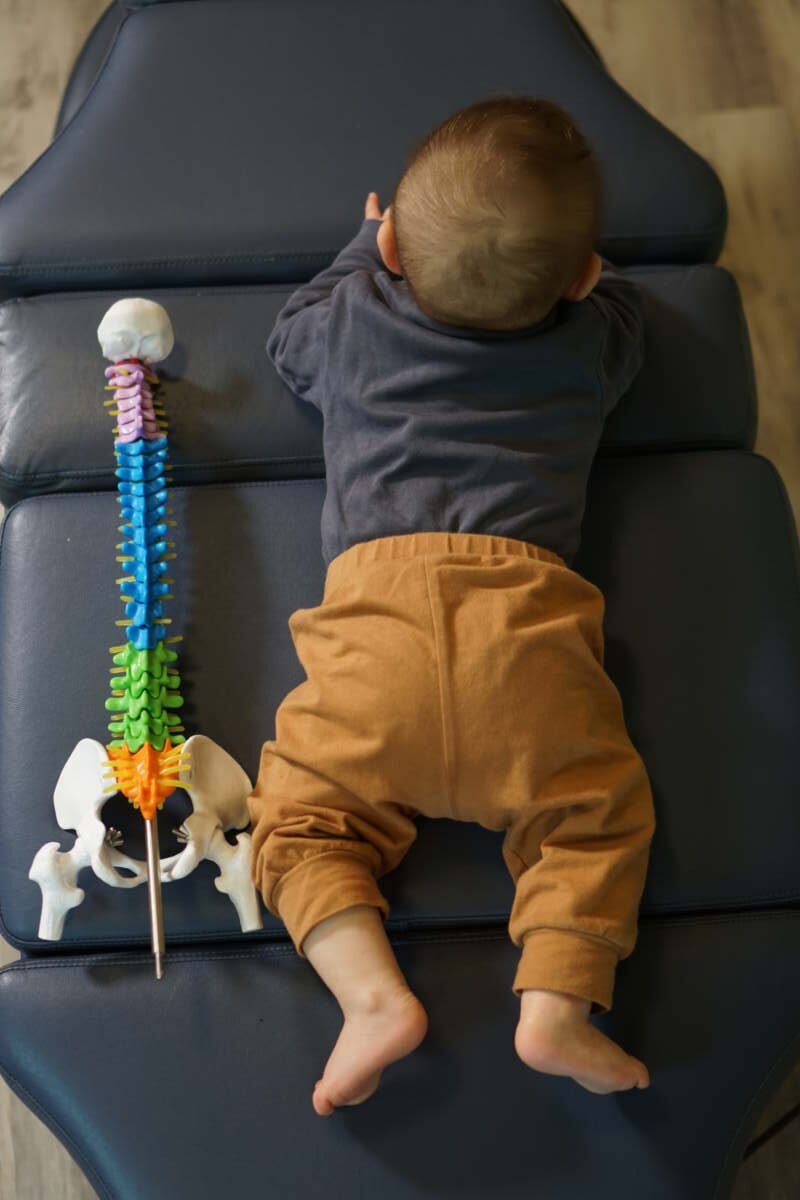
The fundamental idea of movement training, injury recovery and rehabilitation is muscle memory. It describes the ability of the body to re-learn faster with an injury and the process of sustained and well-prescribed exercises resulting in permanent growth in strength and coordination. The ChiropractOrr site features blunt, scientific and practical recovery results and not hype and fads. This blog describes the very definition of muscle memory, its formation process, and how a systematic rehabilitation process enhances it in a clinical context. You will also understand why accurate exercise choice is more important than repetition in the post-pain or chronic movement dysfunction context.
Understanding Muscle Memory
Muscle memory does not mean muscles remember on their own. Instead, it refers to how the nervous system adapts to repeated movement patterns.
How Muscle Memory Works
Muscle memory develops through:
- Repeated activation of specific nerve pathways
- Improved communication between the brain and muscles
- Increased efficiency in motor unit recruitment
When you perform a movement correctly, the brain stores such a pattern. As time passes, the body becomes more mobile, in a regulated way and at an improved time. The process is vital in routine tasks like walking, lifting or sitting.
Muscle Memory After Injury
After injury or pain, the body often compensates. These compensations can:
- Reduce proper muscle activation
- Reinforce faulty movement patterns.
- Increase stress on joints and soft tissue.
In rehabilitation, the aim is to correct such patterns so as to make the nervous system re-learn to move efficiently instead of further fixing the impairment.
Why Muscle Memory Breaks Down
Muscle memory can degrade when movement is disrupted. Common causes include:
- Acute injuries (sprains, strains, disc issues)
- Chronic pain conditions
- Long periods of inactivity
- Poor posture or repetitive strain
- Previous rehab that focused only on pain relief
Unless there is appropriate retraining, the body can still resort to using inefficient movement patterns even when the pain has gone.
What Is Targeted Rehabilitation?
Targeted rehab exercise for muscle memory is a structured approach that retrains movement based on how the body actually functions.
Key Characteristics of Targeted Rehab
- Exercises chosen for specific deficits
- Focus on movement quality, not just strength.
- Gradual progression based on neuromuscular control
- Integration of stability, mobility, and coordination
Unlike general exercise programs, targeted rehab addresses the root cause of movement dysfunction rather than symptoms alone.

How Targeted Rehab Improves Muscle Memory
Rehabilitation enhances muscle memory by re-training the nervous system in controlled conditions.
Restores Proper Movement Patterns
Accurate exercises assist the brain in re-placing joint positions and muscle timing. This makes them less dependent on compensation and more efficient.
Enhances Motor Control
Slo-go movements enhance the body consciousness of movement. This results in the creation of automatic and stable movement in the course of everyday activities.
Builds Long-Term Adaptation
Correct repetition strengthens neural pathways. This makes proper movement more consistent, even outside the clinic.
Reduces Re-Injury Risk
When movement patterns improve, joints and tissues experience less unnecessary strain, lowering the risk of recurrence.
Examples of Targeted Rehab Exercises
- Stability drills for the spine, hips and shoulders
- Controlled mobility exercises to restore joint range
- Balance and proprioception work
- Low-load strength movements with strict form
An intervention directed at muscle memory is a rehab exercise that is aimed at accuracy as opposed to intensity. One should do fewer correct reps, rather than more volume training with bad form.
Why Precision Matters More Than Repetition
The repetition of the wrong movements reinforces the wrong memory of the muscles. This is why guided rehab is essential.
Key principles include:
- Small movement ranges before large ones
- Slow tempo to reinforce control
- Progressive difficulty based on mastery
A well-designed Targeted rehab exercise for muscle memory ensures the nervous system learns the right pattern the first time, reducing setbacks.
Clinical Benefits of Muscle Memory Training
When patients undergo specific rehabilitation programs they usually develop:
- Faster recovery timelines
- Improved posture and joint alignment
- Better athletic performance
- Increased confidence in movement
- Reduced chronic pain flare-ups
These benefits extend beyond the rehab phase and support long-term physical health.
Conclusion
Muscle memory is very important in the manner the body moves, heals and functions. The nervous system is retrained to move efficiently and pain-free when damage or pain interferes with normal patterns and, therefore, is retrained by specific rehabilitation. In addressing accuracy, management and progression, rehab reinforces proper muscle memory rather than supporting compensation. Professional care is a tangible difference in terms of the structured approach, in which you are more concerned with the quality of movement and long-term outcomes. The ChiropractOrr can teach you more or help you recover.
FAQs
What is muscle memory in rehabilitation?
Muscle memory refers to the nervous system’s ability to learn and repeat efficient movement patterns through correct, repeated practice.
How long does it take to rebuild muscle memory?
This depends on injury severity, consistency, and exercise precision. Many people notice improvement within weeks when rehab is properly structured.
Can muscle memory prevent future injuries?
Yes. When correct movement patterns are reinforced, the body experiences less joint stress and improved stability.
Are targeted rehab exercises better than general workouts?
Targeted rehab focuses on specific deficits, making it more effective for recovery and long-term movement correction than general exercise alone.