Max used to fly through agility courses every weekend. Sharp turns. Fast jumps. Endless energy. Then one small thing changed. He stopped jumping into the car after training. His owner thought maybe he was tired. Maybe sore for a day or two.
A rehab visits later showed tight muscle tissue around the hips and lower back. That tension had already started changing the way his spine moved. Cases like this happen more than most dog owners realise.
Animal chiropractic care and soft tissue therapy often work best together because the body works as one connected system. Muscles affect joints. Joints affect muscles. When one area struggles, another area starts compensating.
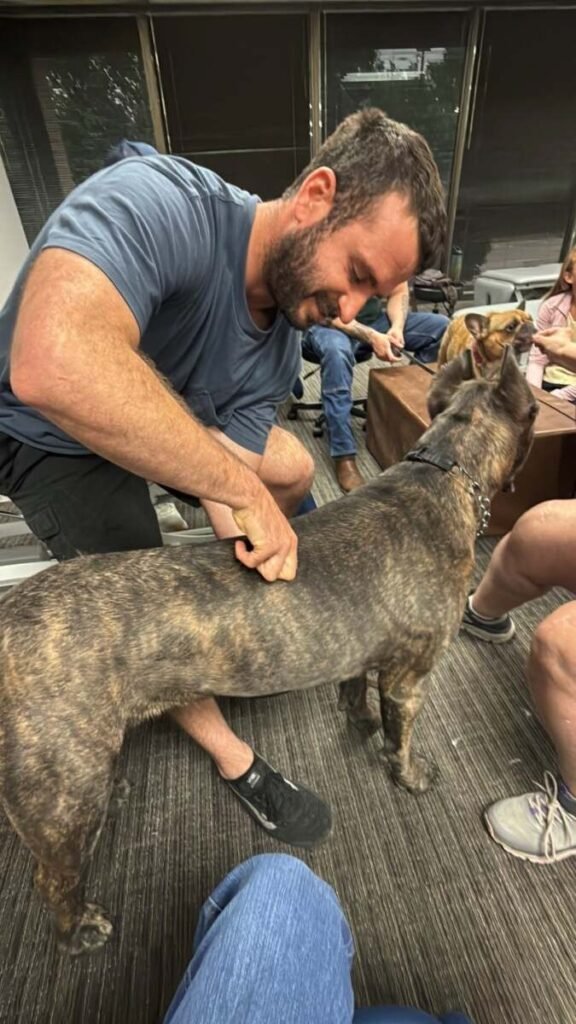
That is why many rehab specialists now use soft tissue therapy for athletic recovery alongside chiropractic care for active dogs.
Why Dogs Develop Movement Issues
Dogs put constant pressure on their bodies. Running across hard ground, twisting during play, jumping off furniture, chasing balls over and over. Athletic dogs experience even more stress because their bodies repeat the same explosive movements again and again.
Older dogs face a different problem. Tiny aches slowly change how they move. One stiff hip can shift weight onto the shoulders. One sore shoulder can affect the neck and spine later.
Owners usually notice small changes first:
- slower movement after exercise
- hesitation while climbing stairs
- stiffness after naps
Most dogs keep going even when uncomfortable. They adapt quietly.
Veterinary rehabilitation professionals often find muscle tightness long before a serious injury appears. Tight tissue changes movement patterns slowly. Sometimes the signs are subtle for months.
What Animal Chiropractic Care Actually Helps
Animal chiropractic is aimed at restoring the normal movement of the joints, particularly the spine and limbs. Limitations of the joints may have impacts on posture, flexibility, balance and coordination. Chiropractic adjustment is a fast, precise movement that enhances movement in limited regions. Good adjustments are accurate. Not aggressive. Dogs tend to respond well since the treatment does not impose unnatural postures on the body but rather promotes natural movements.
Good spinal activity is important as the nerves reach each and every muscle in the body via the spine. After a joint stops moving, the surrounding muscles tend to contract to secure the area. That protective tension may end up causing pain in other areas. A large number of contemporary animal chiropractors collaborate with rehab professionals and veterinarians since movement issues are not often caused by a single factor.
How Soft Tissue Therapy Supports Recovery
Muscles have longer held tension than people believe. A dog can take days of rest following vigorous exercise and still perform poorly due to the lack of complete relaxation of the muscles. Flexibility is restricted by tight tissue. Blood flow decreases. Recovery slows down. Soft tissue therapy is concerned with the muscles, fascia, tendons and connective tissue which have been subjected to stress or overuse. Therapy can involve massage therapy, assisted stretching, trigger point release or mobility work. This form of treatment improves circulation and decongests tension in stressed areas. Athletic dogs can heal more quickly when the muscle limitations are treated early rather than being left unnoticed over several weeks.
Common benefits include:
- improved flexibility
- reduced muscle tightness
- smoother recovery after exercise
Sports rehabilitation programs now regularly include soft tissue therapy for athletic recovery because muscle health directly affects performance, endurance and long-term mobility.
Why Both Therapies Work Better Together
Joint movement and muscle function are connected every second. Treating only the spine while ignoring tight muscles may create temporary improvement. Treating muscles without addressing restricted joints can also leave part of the problem untouched.
A Labrador recovering from repetitive frisbee training may develop tight lower back muscles while also losing mobility through the hips. Chiropractic care can help restore joint movement. Soft tissue therapy then helps release the tension, pulling the body back into unhealthy patterns.
One supports the other. That combined approach often helps dogs move more naturally and recover more comfortably, especially active dogs involved in agility work, dock diving, field sports, or intense daily exercise.
Athletic Dogs Often Need Preventive Care
Competitive dogs place huge demands on their bodies. Handlers today pay far more attention to recovery than they did years ago.
Preventive care has become part of training routines for many athletic dogs because small mobility problems rarely stay small forever. Tiny compensation patterns slowly spread through the body if nothing interrupts them.
Routine chiropractic care combined with soft tissue therapy for athletic recovery may help support balanced movement, flexibility and better recovery between training sessions. Dogs that move well usually stay active longer, too.
Choosing the Right Professional Matters
Animal chiropractic care should always come from trained professionals working within veterinary guidelines. Experience with canine movement patterns matters just as much as technical skill.
A good provider watches how the dog walks, turns, shifts weight and stands before treatment begins. Those small movement details often reveal more than owners expect.
Clear communication between rehab teams and veterinarians also creates safer and more complete recovery plans for dogs dealing with mobility issues or athletic strain.
Conclusion
Dogs rely on movement for almost everything. Running. Playing. Climbing stairs. Even simple daily walks. Once stiffness and compensation patterns begin, the body slowly adapts to discomfort.
Animal chiropractic care helps restore proper joint motion. Soft tissue therapy supports the muscles and connective tissue surrounding those joints. Together, they create a more complete recovery approach for dogs dealing with athletic strain, mobility problems, or age-related stiffness.
Many dogs recover faster and move more comfortably when both therapies work side by side. The ChiropractOrr focuses on movement-based care that supports stronger mobility, healthier recovery and long-term comfort for active dogs.
FAQs
How does soft tissue therapy for athletic recovery help dogs?
Soft tissue therapy helps reduce muscle tension, improve flexibility, and support faster recovery after physical activity or sports training.
Can animal chiropractic care help older dogs?
Yes. Chiropractic care may help improve mobility, flexibility, and movement quality in senior dogs experiencing stiffness.
Is soft tissue therapy safe for athletic dogs?
When performed by trained professionals, soft tissue therapy is commonly used to support muscle recovery, flexibility, and injury prevention in active dogs.
How often should dogs receive chiropractic and soft tissue therapy?
Treatment frequency depends on the dog’s condition, activity level, and recovery goals. Athletic dogs often benefit from regular maintenance care.