A rehab trainer in Colorado noticed something odd after adding cupping sessions to her horse recovery routine. The horses cooled down faster. Stiffness after competition dropped. A few animals even moved more freely during the next training cycle. Nothing dramatic overnight. Just steady improvement that kept showing up again and again.
That is one reason cupping therapy to enhance blood flow has become more common in performance animal care.
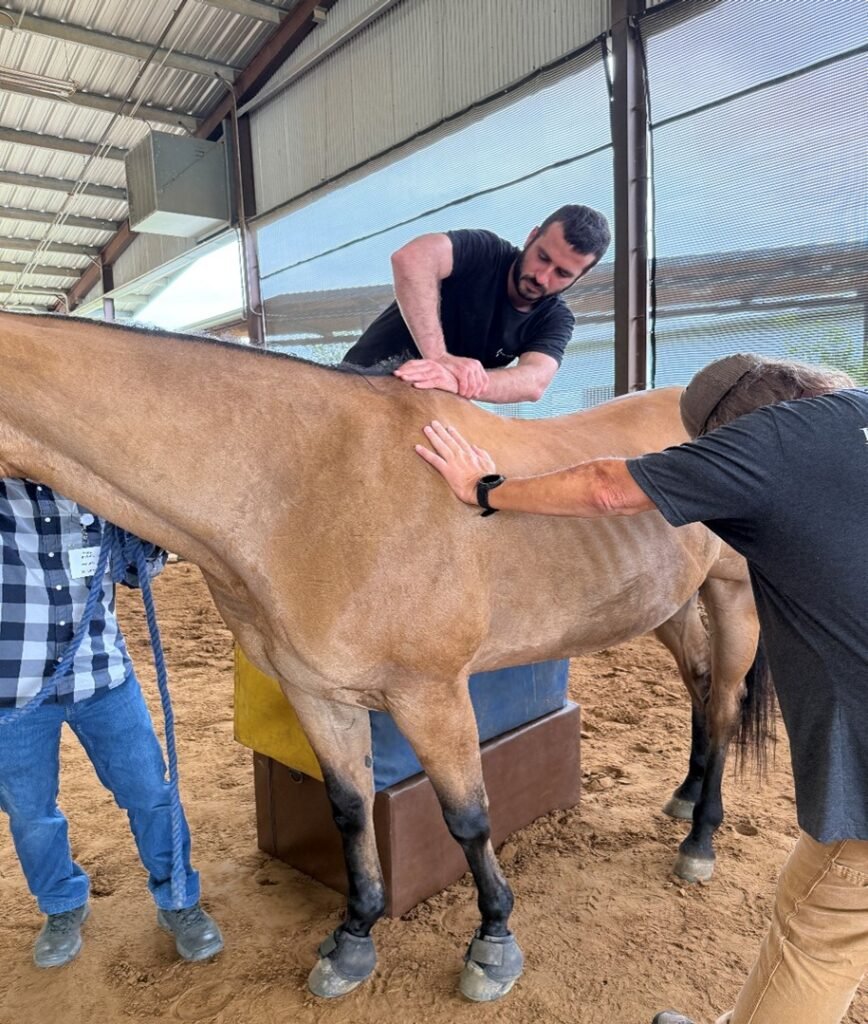
Recovery matters in athletic animals. Fast turns, jumps, sprinting, pulling and repetitive movement place stress on muscles and connective tissue every day. Tight tissue affects performance. Poor circulation slows healing. Minor soreness can quietly turn into bigger mobility problems.
Cupping therapy is now used by many animal chiropractors, rehab specialists and sports therapy providers to support circulation and muscle recovery in active animals.
What Is Cupping Therapy?
Cupping therapy uses soft cups that create gentle suction against the skin. That suction slightly lifts the tissue underneath instead of pressing down on it like a massage normally does.
The goal is simple. Increase circulation and reduce tension.
In performance animals, cupping is often used around:
- the shoulders
- hips
- neck muscles
- hamstrings
- back areas after intense activity
Sessions are usually short and calm. Most animals relax during treatment once the muscles begin to release.
How Cupping Therapy Enhances Blood Flow
Good blood flow promotes the recovery of muscles after strenuous effort. Increased blood flow increases the delivery of oxygen and nutrients to tissues. When muscles are tight and fascia is restricted, it slows down that process.
Cupping therapy to enhance blood flow works through negative pressure. The suction encourages fresh blood movement into targeted tissue areas. That increase in circulation may help reduce stiffness and support muscle recovery after training or competition.
Sports rehabilitation professionals often use cupping to support:
- soft tissue mobility
- muscle relaxation
- post-workout recovery
- circulation support
A veterinary rehabilitation discussion published in recent years also noted that therapies focused on circulation and fascia movement may help improve mobility patterns in athletic animals.
Not every animal reacts the same way, honestly. Some show visible improvement after one session. Others need repeated treatment before changes appear.
Why Recovery Is Critical for Performance Animals
Performance animals rarely stop moving just because something feels tight. Dogs still run. Horses still jump. Working animals continue pushing through discomfort longer than most people realize.
That creates hidden strain. Restricted movement changes how the body carries weight. One stiff area forces another area to work harder. Recovery therapies help interrupt that cycle before it grows into a larger issue.
A canine agility coach once described a border collie that kept clipping jumps during sharp turns. No injury showed up on scans. Tight shoulder tissue was limiting movement. Recovery therapy that included cupping and mobility work improved the dog’s range of motion within weeks. Tiny restrictions can affect performance more than people expect.
Common Benefits Seen After Cupping Sessions
Cupping therapy is not designed to replace veterinary care. It works best as part of a larger recovery and mobility plan.
Many rehab specialists use it to help with:
- post-training soreness
- muscle tightness
- reduced flexibility
- movement restriction
- tension around healed injuries
Horses often show relaxation signs during sessions. Lower head position. Slower blinking. Less resistance through the back. Dogs sometimes stretch or lie down once tissue tension decreases.
Those little responses tell practitioners a lot.
What Happens During an Animal Cupping Session?
Most sessions begin with a movement assessment. The practitioner checks flexibility, posture, gait patterns and muscle tension before applying cups.
Silicone cups are then placed over targeted muscles for several minutes. In some cases, the cups stay in one place. Other times, the therapist glides them gently across tissue using oil or lotion.
Pressure stays light. Aggressive suction usually does more harm than good in animals.
Treatment plans depend on:
- activity level
- recovery needs
- age
- muscle condition
- previous injuries
Consistency matters more than intensity.
Does Research Support Cupping Therapy?
Research around animal cupping therapy is still developing, but interest continues to grow in sports rehabilitation and mobility care.
Human sports medicine studies already suggest potential benefits involving circulation, temporary pain reduction and flexibility improvement. Many animal rehab professionals apply those same recovery principles carefully during treatment programs.
Practical results keep driving interest. Trainers frequently find more smooth movement, less stiffness and quicker recovery times between events and challenging training sessions. That is not to say that cupping is a miracle cure, however. Mobility work, balanced training and proper conditioning remain paramount. Cupping simply adds another recovery tool to the process.
Conclusion
Performance animals place enormous stress on their muscles and joints every week. Recovery can no longer be considered an “add-on”. By improving circulation through cupping, trainers and rehabilitation specialists have a light-touch method for supporting circulation and preventing tightness and promoting better movement over time.
Better circulation often leads to better recovery. Better recovery supports stronger long-term performance. That connection matters whether the animal competes, works, or trains daily.
ChiropractOrr continues to support movement-focused care designed to help performance animals recover smarter and move better.
FAQs
How does cupping therapy enhance blood flow in animals?
Cupping creates gentle suction on the skin, which encourages circulation in targeted muscles and soft tissue areas. Improved blood flow may support recovery and reduce stiffness.
Is cupping therapy safe for performance horses and dogs?
Yes, when performed by trained professionals experienced in animal rehabilitation or chiropractic care. Gentle pressure and proper placement are important.
Can cupping therapy help sore muscles after competition?
Many rehab specialists use cupping therapy to enhance blood flow and help reduce post-event muscle tightness and recovery fatigue.
How often should performance animals receive cupping therapy?
Treatment frequency depends on the animal’s workload, muscle condition, and recovery goals. Some animals benefit from weekly sessions, while others only need occasional maintenance care.