Back pain has a strange way of becoming part of daily life. First, it shows up after a long drive or a bad night’s sleep. A few weeks later, bending down feels annoying.
Then there is the tightness of the shoulders, the tightness of the neck and possibly that aching in the hips. Individuals wait due to the stretching a bit, take a day or two rest, take painkillers and proceed. Nevertheless, the pain continues to creep back. It is precisely that cycle that makes Combo therapy for musculoskeletal pain the most popular therapy in rehabilitation clinics today.
Suffering within muscles and joints is hardly ever caused by a single factor. Tense muscles, sore nerves, lack of circulation, flimsy muscles and old wounds. Everything connects. The idea behind combo therapy is that multiple of those problems are dealt with as a unit rather than a short-term pain reliever.
What Exactly Is Combo Therapy?
Combo therapy blends two treatment methods into one session. Electrical stimulation therapy and therapeutic ultrasound work side by side to support recovery in deeper muscle layers.
Electrical stimulation sends small impulses through the affected area. Those impulses help calm irritated nerves and encourage muscles to contract properly again. Ultrasound therapy works differently. Sound waves create gentle heat beneath the surface of the skin, helping blood flow move more efficiently through damaged tissue.
Used together, the treatment feels more complete. Many rehab specialists now prefer this approach because muscle pain usually involves both nerve irritation and tissue restriction at the same time.
Why Musculoskeletal Pain Keeps Hanging Around
Many people expect pain to disappear once inflammation goes down. Real life does not always work that neatly.
Muscles adapt to stress in weird ways. One area tightens to protect another. Weak muscles stop supporting movement correctly. Restricted tissue changes posture without people noticing it. Months later, normal movement starts feeling harder than it should.
Office workers deal with this constantly. Hours of sitting can overload the neck, shoulders and lower back. Athletes see it too. A small untreated strain can slowly affect surrounding muscles and joint mechanics.
Research from the National Institutes of Health continues showing that chronic musculoskeletal pain often involves nervous system sensitivity along with tissue dysfunction. Pain does not always stay local. The body adapts around it.
That part gets overlooked a lot.
How Combo Therapy Targets the Deeper Problem
Therapeutic ultrasound helps increase circulation in restricted tissue. Better blood flow means oxygen and nutrients reach damaged muscles more effectively. Healing becomes easier when tissue finally gets the support it has been missing.
Electrical stimulation helps interrupt muscle guarding patterns. Tight muscles often stay locked in a protective state long after an injury begins healing. Small electrical impulses encourage those muscles to relax and activate more normally again.
Treatment may help:
- reduce stiffness
- improve muscle coordination
- support tissue recovery
Many patients notice that movement feels smoother after several sessions. Not a dramatic overnight change. More like a gradual improvement that starts making daily movement easier again.
Conditions Commonly Treated with Combo Therapy
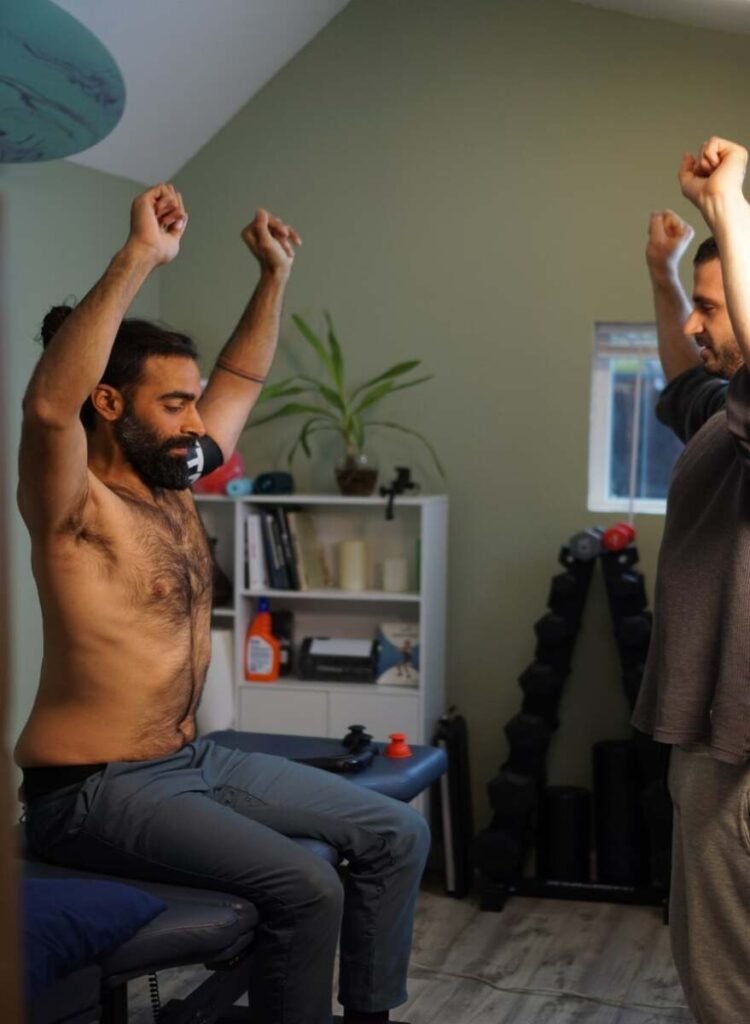
Combo therapy is often used for muscle and joint conditions connected to inflammation, tension, or repetitive strain.
Neck pain from desk work responds well in many cases because treatment targets both tight tissue and poor muscle activation. Lower back pain patients may experience reduced tension after circulation improves in overworked muscle groups.
Sports injuries are another common reason people seek this treatment. Shoulder strain, tendon irritation, sciatica-related tightness and repetitive stress injuries can all create compensation patterns inside the body.
Recovery usually works better when treatment focuses on movement quality too, not just pain reduction. That difference matters more than people think.
What a Combo Therapy Session Feels Like
Sessions are usually pretty straightforward. Electrodes are placed over the painful area while the ultrasound applicator moves slowly across the tissue.
Most patients describe:
- mild warmth
- light pulsing sensations
- gentle muscle contractions
Treatment times vary, though many sessions last somewhere around 15 minutes.
Some people notice relief immediately afterward. Others feel changes gradually over several visits, especially with long-term stiffness or chronic muscle imbalance. Recovery tends to build step by step.
Why Integrated Rehab Approaches Are Growing
Pain treatment has changed quite a bit over the last few years. Patients are asking bigger questions now. They do not only want pain relief for the weekend. They want to move normally again without constant flare-ups.
That shift explains why integrated rehab approaches are growing inside chiropractic and sports recovery clinics.
Combo therapy supports healing from multiple angles at once. Improved circulation, reduced muscle guarding, better tissue mobility and healthier nerve response. Everything works together. The body rarely breaks down in one simple way. Recovery usually is not simple either.
Conclusion
The development of musculoskeletal pain is frequently gradual and occurs due to repetitive stress, limited mobility, muscle imbalance and persistent inflammation. Short-term interventions can help temporarily, but a more focused intervention is typically necessary to recover. The deeper layers are treated with the help of Combo therapy, which is a combination of electrical stimulation with therapeutic ultrasound. Enhanced blood flow, muscle activity and tissue constraint are all beneficial in allowing the body to heal more naturally with time. The ChiropractOrr still focuses on movement-based rehabilitation measures that will assist patients in getting better mobility, healthier functioning and more lasting relief.
FAQs
What is combo therapy for musculoskeletal pain?
Combo therapy combines electrical stimulation and therapeutic ultrasound to help reduce pain, improve circulation, and support soft tissue healing.
Can combo therapy help chronic back pain?
Many patients use combo therapy for chronic back pain because it may help reduce muscle tension, stiffness, and movement restriction.
How long does combo therapy take?
Most combo therapy sessions last between 10 and 20 minutes depending on the treatment area and condition severity.
Is combo therapy good for sports injuries?
Yes. Rehabilitation clinics commonly use combo therapy to support recovery from sports injuries involving muscle strain, inflammation, or mobility problems.