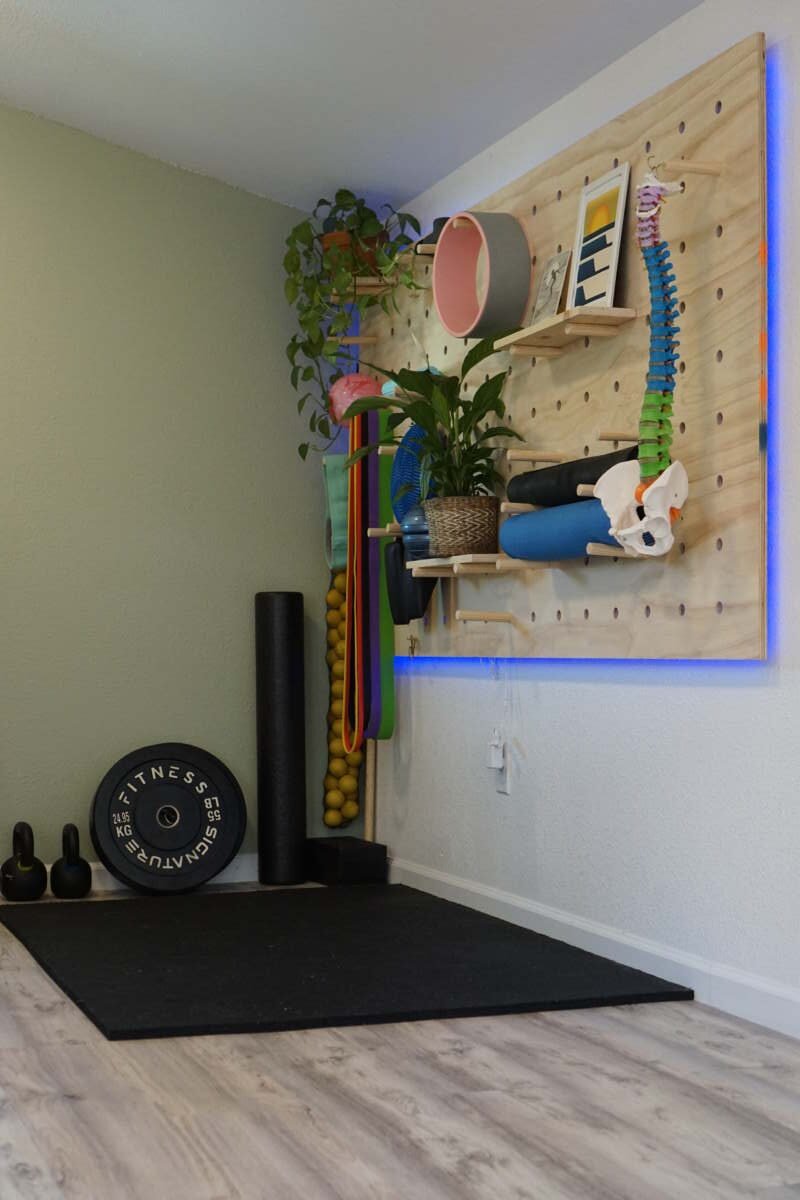
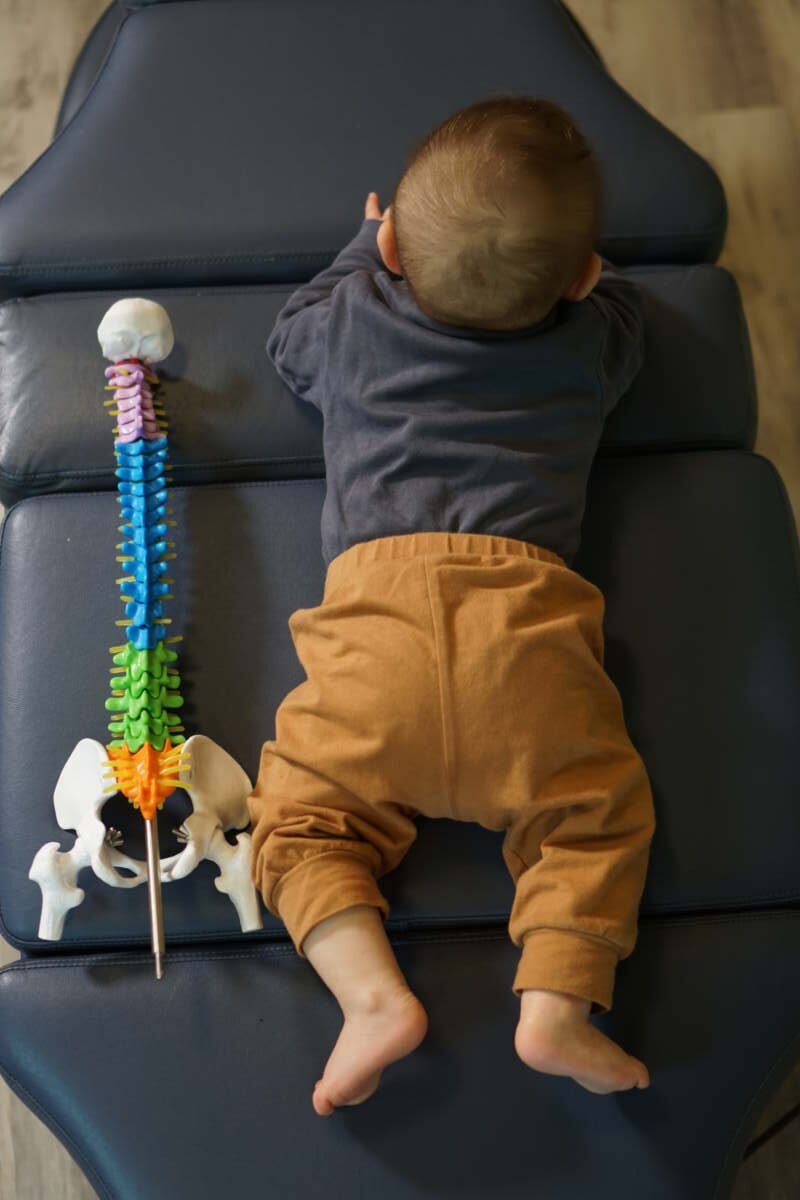
Corrective exercises systematically address movement dysfunctions by targeting muscular imbalances, joint restrictions, and faulty motor patterns. These evidence-based interventions restore proper biomechanics, enhance neuromuscular control, and build resilient movement capacity that protects against recurring injuries. Unlike general fitness routines, corrective protocols isolate specific deficits weak hip stabilizers, overactive compensatory muscles, or restricted fascial tissue to create lasting improvements in how your body moves, recovers, and adapts to physical demands.
Why Movement Compensations Accelerate Injury Risk [2026 Biomechanical Data]
When your body encounters a restriction or weakness, it doesn’t stop moving it finds a workaround. These workarounds, called compensations, allow you to complete daily tasks or athletic movements in the short term, but they come at a steep cost. They overload tissues that weren’t designed to handle the load, creating a cascade of stress throughout the body.
Think of your musculoskeletal system like a chain. When one link weakens or stiffens, adjacent links absorb the extra stress. Over weeks and months, this redistribution of force leads to tissue breakdown, inflammation, and eventually injury. Research into kinetic chain dysfunction shows that a single joint restriction can alter movement patterns throughout the entire body, affecting regions far removed from the original problem site.
A thorough comprehensive mobility assessment identifies these compensations before they cause damage. By pinpointing where movement breaks down, practitioners can intervene with targeted strategies that restore efficient patterns and offload stressed tissues.

- Ankle dorsiflexion restriction: Increases knee valgus stress during squatting, raising ACL injury risk.
- Gluteal weakness: Forces lumbar extensors to overwork, contributing to chronic lower back pain.
- Thoracic spine stiffness: Shifts excessive rotation demand to the lumbar spine and shoulders, causing disc and rotator cuff issues.
- Tight hip flexors: Anteriorly tilts the pelvis, compressing the lumbar facets and inhibiting glute activation.
- Shoulder internal rotation deficit: Overloads the posterior capsule during throwing, linked to labral tears and impingement.
The Neuromuscular Reprogramming Effect of Targeted Corrective Work
Stretching alone rarely fixes chronic tightness. Why? Because tightness is often a protective response, not a length problem. Your nervous system tightens a muscle to protect a joint it perceives as unstable. This is where neuromuscular re-education separates corrective exercise from passive modalities.
Corrective exercises reprogram the sensorimotor system. They don’t just stretch tissue; they improve proprioception your body’s ability to sense where it is in space. By combining specific movements with conscious control, you strengthen the neural pathways that govern efficient movement. This motor control adaptation helps your body “learn” new patterns, replacing old, faulty ones that contributed to pain and dysfunction.
Better proprioception means better reaction times and more stable joints. According to research published in the Journal of Orthopaedic & Sports Physical Therapy, neuromuscular training significantly reduces injury recurrence by addressing the underlying motor control deficits that passive treatments miss.

For complex cases, integrating rehabilitation exercise protocols ensures that these neuromuscular changes stick, transitioning from conscious effort to automatic, efficient movement.
| Factor | Traditional Stretching | Corrective Exercise |
|---|---|---|
| Primary Target | Tissue length | Motor control & stability |
| Nervous System Role | Passive recipient | Active participant (retraining) |
| Duration of Effect | Temporary (minutes to hours) | Longer-lasting (weeks to months) |
| Outcome Focus | Symptom relief (tightness) | Root cause (dysfunction) |
| Injury Recurrence | High (cause not addressed) | Significantly reduced |
Four Corrective Exercise Categories That Rebuild Functional Mobility
Effective corrective strategies aren’t random. They follow a logical progression that rebuilds movement from the ground up. Chiropractic care utilizes four distinct categories to restore functional mobility, each serving a specific purpose in the rehabilitation continuum.
First, mobility drills improve joint range of motion through manual therapy and targeted movements. Second, activation exercises wake up muscles that have been dormant or inhibited. Third, stability work challenges your ability to maintain position under load. Finally, integration patterns link everything together into functional, compound movements.
This progression ensures that new range of motion is usable and stable, rather than just temporary flexibility that disappears under stress. Pairing these with assisted stretching techniques can accelerate tissue adaptation and improve overall outcomes.
- Mobility Drills: Joint capsules and fascial restrictions are mobilized using rhythmic movements and manual therapy to regain lost range.
- Activation Exercises: Isolated contractions target inhibited muscles (like the gluteus medius) to re-establish proper firing sequences.
- Stability Work: Isometric and slow-eccentric challenges build the endurance and control needed to maintain joint integrity.
- Integration Patterns: Compound exercises like chops, lifts, and loaded carries coordinate the entire body in functional tasks.
How Corrective Protocols Address Root Causes, Not Symptoms [Study]
Chronic pain is often a symptom of a problem located elsewhere. Treating the site of pain often provides temporary relief, but without addressing the root cause, the pain returns. This is why many patients cycle through temporary fixes without ever achieving lasting resolution.
Corrective protocols flip this approach. Instead of chasing pain, practitioners use movement screening to identify the dysfunction driving the symptoms. A painful knee might actually stem from restricted hips. A stiff neck could be compensating for thoracic spine immobility. By correcting the underlying driver, the symptoms resolve naturally and permanently.
This structural correction approach aligns with the Selective Functional Movement Assessment (SFMA) model, which prioritizes treating movement dysfunction over managing symptoms. Combining these movement strategies with FAKTR soft tissue therapy addresses both the joint restrictions and the soft tissue component for comprehensive resolution.
Research indicates that individuals with movement pattern dysfunctions are up to 3.5 times more likely to sustain an injury compared to those with optimal movement patterns. Addressing these root dysfunctions dramatically shifts the odds in your favor.
Implementing Progressive Corrective Exercise Sequences for Lasting Results
Doing too much too soon is a common mistake. Tissues need time to adapt, and the nervous system needs repetition to consolidate new movement patterns. A progressive approach ensures that each phase builds successfully on the previous one, creating a robust foundation that resists regression.
The process begins with assessment, identifying the specific deficits that need attention. From there, interventions move from isolated, low-load exercises to integrated, high-load functional tasks. The timeline varies based on individual factors like chronicity and tissue health, but patience is always essential.
Clinicians use hip mobility restoration protocols as a prime example of this progression, where initial passive mobility work evolves into dynamic functional tasks like lunging and running mechanics.
- 1. Assessment: Movement screening and orthopedic testing identify limitations (Day 1).
- 2. Inhibition: Release overactive tissues using manual therapy (Weeks 1-2).
- 3. Mobility: Improve joint and tissue range through targeted drills (Weeks 2-4).
- 4. Activation: Strengthen inhibited muscles with isolated contractions (Weeks 3-6).
- 5. Stability: Build endurance and control in new ranges (Weeks 4-8).
- 6. Integration: Incorporate corrected patterns into functional movements (Weeks 6-12).
Sport-Specific Corrective Strategies for Athletes and Active Populations
Athletes demand more from their bodies, which means their compensations are often more pronounced and their injury risk higher. Generic programs fail to address the specific demands of different sports. A baseball pitcher has vastly different needs than a marathon runner or a powerlifter. Tailored corrective interventions bridge the gap between rehab and performance.
For overhead athletes, thoracic mobility and rotator cuff control are paramount. Runners need stable hips and ankle dorsiflexion. Strength athletes require spinal stability and deep core activation. By addressing sport-specific vulnerabilities, athletes not only prevent injuries but often unlock performance gains they couldn’t access before.
Integrating these strategies into a chiropractic injury recovery program ensures that athletes return to competition stronger and more resilient than they were prior to injury.
| Athlete Type | Common Vulnerabilities | Corrective Focus |
|---|---|---|
| Overhead Athletes (Baseball, Tennis) | Shoulder internal rotation deficit, thoracic stiffness | Thoracic extension drills, posterior capsule mobility, scapular stability |
| Runners | Glute medius weakness, ankle dorsiflexion restriction | Hip stability work, calf mobility, single-leg balance training |
| Strength Athletes (Powerlifting, CrossFit) | Lumbar instability, hip impingement | Core bracing progressions, hip capsule mobilizations, motor control |
| Office Workers | Forward head posture, tight hip flexors | Chin tucks, thoracic extension, hip flexor mobility |
Key Takeaways: Building an Injury-Resistant Movement Foundation
Building a body that moves well isn’t a destination it’s an ongoing process. The principles of corrective exercise provide a roadmap, but consistency and professional guidance determine your success. When applied correctly, these strategies don’t just resolve pain; they change how you interact with the world, allowing you to move with confidence and ease.
Understanding the mobility benefits for daily function reinforces the importance of committing to these practices long-term.
- Compensations predict injuries: Identifying and correcting movement dysfunctions stops the cascade of tissue overload before damage occurs.
- Motor control matters: Lasting change requires re-educating the nervous system, not just stretching tight muscles.
- Progressions are essential: Skip steps and you risk injury; follow the progression and you build resilient, functional capacity.
- Root causes differ from symptoms: Pain location rarely indicates the source of dysfunction; assessment is the key to resolution.
- Professional guidance accelerates results: Tailored protocols based on assessment yield faster, safer outcomes than generic routines.
Frequently Asked Questions About Corrective Exercise and Mobility
How long does it take to see results from corrective exercises?
Most patients notice initial improvements within 2-4 weeks. Neuromuscular adaptation begins quickly, but structural changes in tissue quality often require 8-12 weeks of consistent effort. Results depend on the severity of the dysfunction and adherence to the prescribed protocol.
Are corrective exercises different from physical therapy exercises?
Yes, though they overlap significantly in principle. Corrective exercise is often a subset of rehab, focusing specifically on movement pattern dysfunction rather than post-surgical rehabilitation. It serves as a bridge between clinical treatment and independent fitness.
Can I do corrective exercises at home?
Yes, home exercise is a critical component of success. Professional guidance ensures proper execution, but the bulk of corrective work happens through daily repetition at home. Consistency outside the clinic determines the speed and durability of your results.
Do corrective exercises hurt?
They should not cause sharp or increasing pain. You may feel mild discomfort or fatigue in weakened muscles, but exercises that aggravate symptoms typically indicate an incorrect prescription or poor execution. Communication with your provider ensures tolerable and beneficial loading.
How often should I perform corrective exercises?
Daily practice is ideal for motor pattern re-education. Short, frequent sessions (10-15 minutes) outperform longer, infrequent bouts. The nervous system benefits from repetition, reinforcing the new movement patterns until they become automatic.
Will corrective exercises prevent all future injuries?
No intervention guarantees zero injury, but risk is significantly reduced. Improving biomechanics and motor control addresses the majority of non-contact injury mechanisms. While you cannot prevent accidents, you build a body resilient enough to handle unforeseen stresses more effectively.
Understanding posture correction strategies complements corrective exercise work, particularly for those spending long hours at desks or in vehicles.
Ready to move better and stay that way? The Chiropractorr helps patients build resilient movement foundations that stand the test of time.