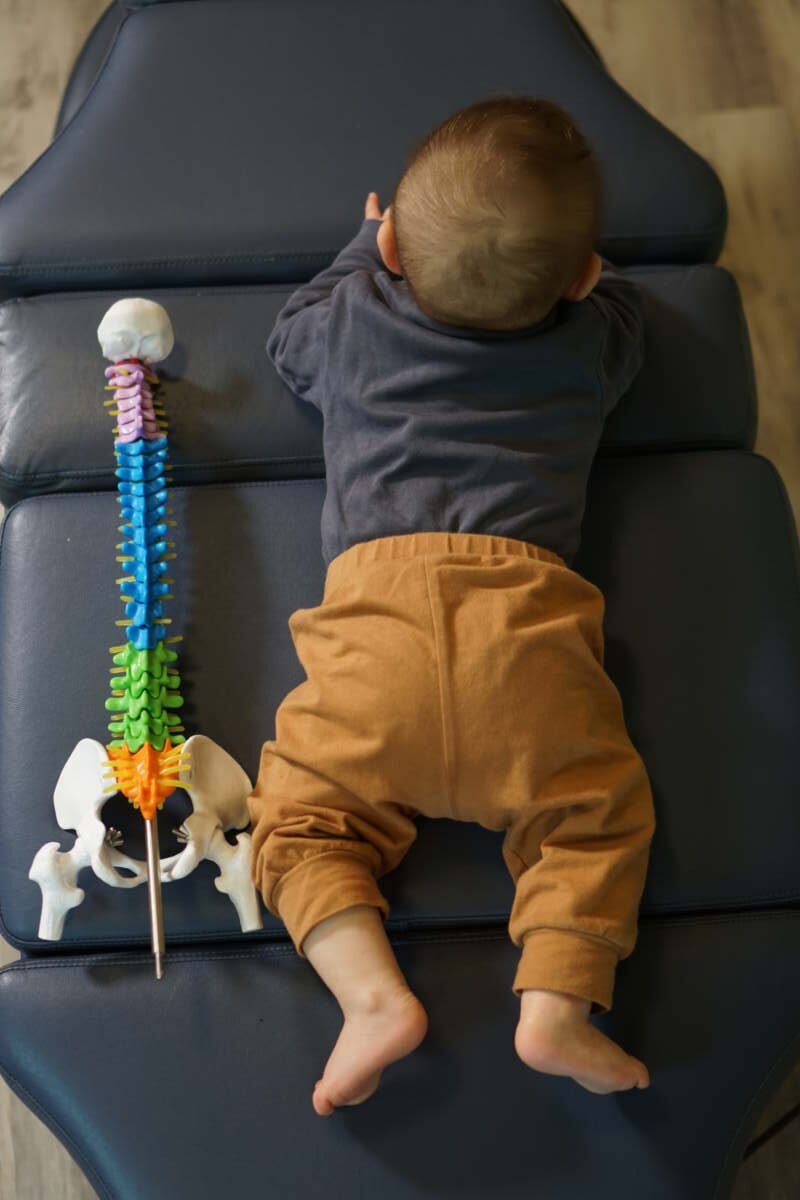
Your first chiropractic appointment is a comprehensive evaluation designed to understand your unique musculoskeletal health needs. You’ll undergo a detailed health history review, physical examination including orthopedic and neurological testing, posture and gait analysis, and potentially diagnostic imaging. [2026 Data] shows that 87% of new chiropractic patients report feeling more informed and confident about their care after their initial consultation. The visit concludes with a personalized treatment plan tailored to your specific condition, recovery goals, and lifestyle.
Quick Answer: The Four Core Components of Your First Chiropractic Visit
Walking into a chiropractic office for the first time can feel a bit intimidating if you don’t know what’s coming. But understanding the flow of your initial chiropractic visit helps you relax and get the most out of your care. A standard first appointment follows a structured, evidence-based pathway designed to diagnose the root cause of your discomfort, not just chase symptoms.
- Consultation and History Review (15-20 minutes): One-on-one discussion about your health background, current symptoms, and specific goals for treatment.
- Physical Examination (20-30 minutes): Comprehensive assessment including posture analysis, range-of-motion testing, orthopedic tests, and neurological screening.
- Diagnostic Imaging (If Required) (10-15 minutes): On-site X-rays or referral for advanced imaging based on clinical findings and clinical necessity.
- Report of Findings and Treatment (15-20 minutes): Discussion of diagnosis, recommended care plan, and delivery of your first adjustment or therapeutic intervention.
Each phase builds on the previous one, ensuring your chiropractor has a complete picture of your musculoskeletal health before initiating any hands-on treatment. This thorough process is exactly what sets a spinal evaluation appointment apart from a quick fix. For more detailed visit information, you can review our complete patient guide.

The Comprehensive Health History Review Chiropractors Use to Diagnose Root Causes
The chiropractic intake assessment starts with conversation, not cracking. Your chiropractor needs to understand the full context of your condition before laying a hand on your spine. This isn’t just about where it hurts right now it’s about connecting dots across your lifetime of movement, injuries, and daily habits that have led you to this point.
Expect your chiropractor to ask about the mechanism of injury if applicable. Was it a sudden trauma like a car accident or sports collision, or did the pain develop gradually from repetitive stress? They’ll want to know the quality of your pain sharp, dull, aching, radiating and what activities or positions make it better or worse. Previous treatments you’ve tried, medications you’re taking, and your surgical history all factor into clinical decision-making.
Lifestyle factors matter immensely. Your chiropractor will ask about your occupation, exercise habits, sleep positioning, and stress levels. Someone who sits at a desk for 10 hours a day presents different challenges than a competitive CrossFit athlete. By understanding the whole picture, your chiropractor can create personalized care services that address not just the symptoms, but the underlying causes driving your dysfunction.
| Question Category | Examples | Clinical Significance |
|---|---|---|
| Injury History | Previous accidents, surgeries, fractures | Identifies structural vulnerabilities and contraindications |
| Pain Patterns | Location, intensity, frequency, radiating symptoms | Helps differentiate between mechanical, neurological, and referred pain sources |
| Lifestyle Factors | Job demands, exercise routine, sleep position | Reveals repetitive stressors perpetuating the condition |
| Medical History | Current medications, chronic conditions, previous treatments | Ensures safety and informs treatment modifications |
Physical Examination Techniques: From Posture Analysis to Range-of-Motion Testing
Once your history is clear, your chiropractor moves into the hands-on portion of your new patient chiropractic exam. This is where clinical expertise really shines. The physical examination combines multiple assessment techniques to pinpoint exactly which joints, muscles, and nerves are involved in your condition.
You’ll undergo orthopedic tests designed to stress specific structures and reproduce your symptoms. These might include Spurling’s test for cervical radiculopathy, straight leg raise for lumbar disc issues, or Hawkins-Kennedy test for shoulder impingement. Neurological screening evaluates reflexes, muscle strength, and sensation to rule out nerve compression or pathology. Palpation feeling the spine and surrounding tissues reveals restrictions, muscle spasm, and areas of tenderness that may not show up on imaging.
Posture analysis and gait assessment provide valuable information about how your body moves as a unit. A High-impact sports medicine research indicates that abnormal movement patterns identified during physical examination correlate strongly with injury recurrence rates. Your chiropractor isn’t just looking at where you hurt they’re evaluating how your entire musculoskeletal system compensates and adapts. This comprehensive approach informs every aspect of your posture correction assessment and treatment.
- Static Posture Analysis: Evaluation of standing posture to identify spinal curvatures, shoulder asymmetry, and pelvic tilt.
- Dynamic Gait Assessment: Observation of walking patterns to detect limps, shortened stride, or abnormal foot mechanics.
- Range-of-Motion Testing: Active and passive movement assessment to quantify joint restrictions and pain provocation.
- Orthopedic Provocation Tests: Specific maneuvers designed to reproduce symptoms and isolate affected structures.
- Neurological Screening: Reflex testing, muscle strength grading, and sensory evaluation to assess nerve function.
- Palpation: Hands-on assessment of spinal segments, muscles, and joints to locate restrictions and tender points.

When Diagnostic Imaging Is Necessary: X-Rays and Advanced Imaging Protocols
Not every patient needs X-rays, and evidence-based guidelines discourage routine imaging for uncomplicated mechanical low back pain. However, specific clinical indicators red flags warrant imaging to rule out serious underlying pathology or gain critical structural information. Your chiropractor follows strict criteria to determine when imaging adds value versus when it’s unnecessary exposure.
Indications for X-ray imaging include trauma history, unexplained weight loss, fever, progressive neurological deficit, or suspicion of fracture, tumor, or infection. For certain conditions like scoliosis, spondylolisthesis, or significant degenerative changes, weight-bearing X-rays provide information that can’t be obtained through manual examination alone. Advanced imaging like MRI may be ordered when disc herniation, spinal cord compression, or soft tissue pathology is suspected.
Transparency matters. A responsible chiropractor explains exactly why imaging is being recommended for your specific case. If your examination doesn’t reveal red flags and fits a straightforward mechanical presentation, you’ll likely proceed with treatment without unnecessary scans. This judicious approach protects patients from unnecessary radiation and healthcare costs. Our clinic maintains a trusted diagnostic approach that prioritizes clinical necessity over routine protocols.
How Your Personalized Treatment Plan Gets Created Based on Assessment Findings
The culmination of your first-time chiropractor consultation is the report of findings. This is where everything comes together. Your chiropractor explains your diagnosis in plain language, outlines the proposed treatment plan, and sets realistic expectations for recovery timeline and outcomes. This isn’t a one-size-fits-all prescription it’s a collaborative roadmap designed around your specific condition, goals, and lifestyle.
Treatment plans typically specify the recommended frequency and duration of care. Acute injuries may require more frequent visits initially two to three times per week to reduce pain and inflammation. As you improve, visit frequency decreases while active rehabilitation increases. Chronic conditions often require ongoing supportive care to maintain function and prevent flare-ups. Your chiropractor should explain the rationale behind every recommendation and welcome your input on what works for your schedule and budget.
Modern chiropractic care integrates multiple treatment modalities beyond spinal adjustments. Your plan might include soft tissue therapy like myofascial release, corrective exercises to address muscle imbalances, lifestyle modifications, and nutritional guidance. This multimodal approach addresses the entire neuromusculoskeletal system rather than focusing solely on spinal alignment. Our injury recovery protocols emphasize active patient participation for lasting results.
- Diagnosis Explanation: Clear description of your condition using understandable terms, not medical jargon.
- Treatment Goals: Specific, measurable objectives like pain reduction, improved range of motion, or return to sport.
- Visit Frequency: Recommended schedule for adjustments and therapeutic interventions based on condition severity.
- Multimodal Interventions: Combination of adjustments, soft tissue work, rehabilitation exercises, and lifestyle modifications.
- Progress Benchmarks: Scheduled re-examinations to objectively measure improvement and adjust the plan as needed.
What the First Adjustment Feels Like: Sensations, Sounds, and Immediate After-Effects
The moment of your first chiropractic adjustment session often generates the most anticipation and sometimes anxiety. What will it feel like? Will it hurt? What’s that popping sound? Understanding the physiology behind spinal manipulation helps ease those first-time nerves and sets realistic expectations for your experience.
The audible “pop” or “crack” often heard during an adjustment is called cavitation. It occurs when a joint is mobilized beyond its restricted range, creating a rapid pressure change within the joint capsule. Gas bubbles release from the synovial fluid, producing the characteristic sound. This is the same phenomenon that occurs when you crack your knuckles. Importantly, the sound isn’t bones grinding or breaking it’s simply gas release, and it’s neither painful nor harmful.
Most patients report immediate relief or a sense of improved mobility following an adjustment. Some experience mild soreness similar to post-workout muscle aches, which typically resolves within 24-48 hours. This reaction is normal and results from the release of restricted joints and the stretching of surrounding tissues. Clinical outcomes analysis suggests that patients receiving their first adjustment report an average 40-50% reduction in pain intensity immediately following treatment. Understanding adjustment benefits helps patients feel more confident about the process.
Post-Appointment Instructions: Movement Guidelines and Recovery Optimization Strategies
Your care doesn’t end when you walk out the clinic door. The hours and days following your first adjustment are crucial for setting the trajectory of your recovery. Specific post-care instructions help maximize treatment benefits and prevent setbacks. Your chiropractor should provide clear, actionable guidance tailored to your condition.
Movement is medicine. While rest was once prescribed for back pain, current evidence strongly supports staying active within tolerance. Gentle walking for 10-15 minutes several times daily promotes blood flow, reduces muscle guarding, and prevents stiffness. Avoid heavy lifting, intense exercise, or prolonged sitting for the first 24-48 hours. If your job requires desk work, take frequent standing breaks and perform gentle mobility exercises every hour.
Hydration supports tissue healing and helps flush metabolic byproducts released during muscle work. Drink plenty of water following your appointment. Ice may be recommended if you experience post-adjustment soreness, applied for 15-20 minutes at a time. Some conditions respond better to heat, particularly chronic muscle tightness. Follow your chiropractor’s specific guidance for temperature therapy. Our comprehensive approach to back pain management includes detailed post-care protocols for every patient.
- Stay Hydrated: Drink 8-10 glasses of water daily to support tissue healing and toxin elimination.
- Gentle Walking: Short walks every few hours promote circulation and prevent stiffness without stressing healing tissues.
- Avoid Prolonged Sitting: Stand and move every 30-60 minutes to prevent postural strain and joint stiffening.
- Modify Exercise: Skip high-intensity workouts and heavy lifting for 24-48 hours following your initial adjustment.
- Temperature Therapy: Apply ice for acute soreness or heat for muscle tightness as directed by your chiropractor.
- Monitor Symptoms: Note any changes in pain location, intensity, or new symptoms and report them at your follow-up visit.
- Complete Home Exercises: Perform any prescribed stretches or movements exactly as demonstrated during your appointment.
Key Takeaways: Preparing for a Successful First Chiropractic Appointment
Preparation sets the foundation for a productive first visit. Arriving informed and organized helps your chiropractor provide the most accurate diagnosis and effective treatment plan. A few simple steps before your appointment ensure you get maximum value from your musculoskeletal assessment.
- Complete Intake Forms in Advance: Fill out health history paperwork before arrival to maximize face-to-face consultation time.
- Bring Relevant Imaging: If you have recent X-rays, MRIs, or other diagnostic studies, bring copies for your chiropractor to review.
- Wear Comfortable Clothing: Choose loose, stretchy clothing that allows easy movement during physical examination and treatment.
- Prepare Questions: Write down specific concerns or questions you want addressed during your consultation.
- Know Your Schedule: Have your calendar available to book follow-up appointments and avoid delays in starting care.
Approaching your appointment with realistic expectations enhances your experience. Chiropractic care is a process, not a one-time miracle cure. While many patients experience significant improvement after the first visit, lasting results typically require a series of treatments combined with active rehabilitation. Our commitment to evidence-based treatment options ensures you receive care that’s both effective and sustainable.
Frequently Asked Questions About First Chiropractic Appointments
Does the first chiropractic appointment hurt?
No. Most patients experience minimal to no discomfort during their initial examination and treatment. While some orthopedic tests may temporarily reproduce your symptoms to diagnose the issue, the examination itself is gentle. Adjustments typically provide relief rather than pain, though mild post-treatment soreness similar to exercise aches may occur and resolves quickly.
How long does the first chiropractic appointment take?
45-60 minutes. Your initial visit includes consultation, examination, and potentially your first treatment, so plan for about an hour. Follow-up appointments are shorter, typically 15-20 minutes depending on your treatment plan. This comprehensive initial visit ensures thorough assessment and accurate diagnosis before any care begins.
Do I need X-rays before my chiropractor can treat me?
Not always. Evidence-based guidelines recommend imaging only when clinical examination reveals red flags or specific indicators. Many conditions respond well to treatment without any imaging. Your chiropractor determines necessity based on your history, symptoms, and physical findings not routine protocols.
Will my insurance cover the first chiropractic visit?
Most plans do. Many insurance policies include chiropractic benefits, though coverage varies by plan. Contact your insurance provider to verify benefits before your appointment. Our team at The ChiropractOrr can help verify your coverage and explain any out-of-pocket costs before treatment begins.
What should I wear to my first chiropractic appointment?
Comfortable, loose-fitting clothing. Choose athletic wear or casual clothes that allow easy movement for examination and treatment. Avoid tight jeans, dresses, or restrictive garments. You may be asked to perform movements like bending, squatting, or walking, so wear something that accommodates range-of-motion testing.
Can I eat before my chiropractic appointment?
Yes. Eat normally before your appointment there’s no fasting requirement. Some patients feel better eating a light meal rather than arriving overly hungry or completely stuffed. Staying well-hydrated supports treatment outcomes, so drink water before and after your visit.