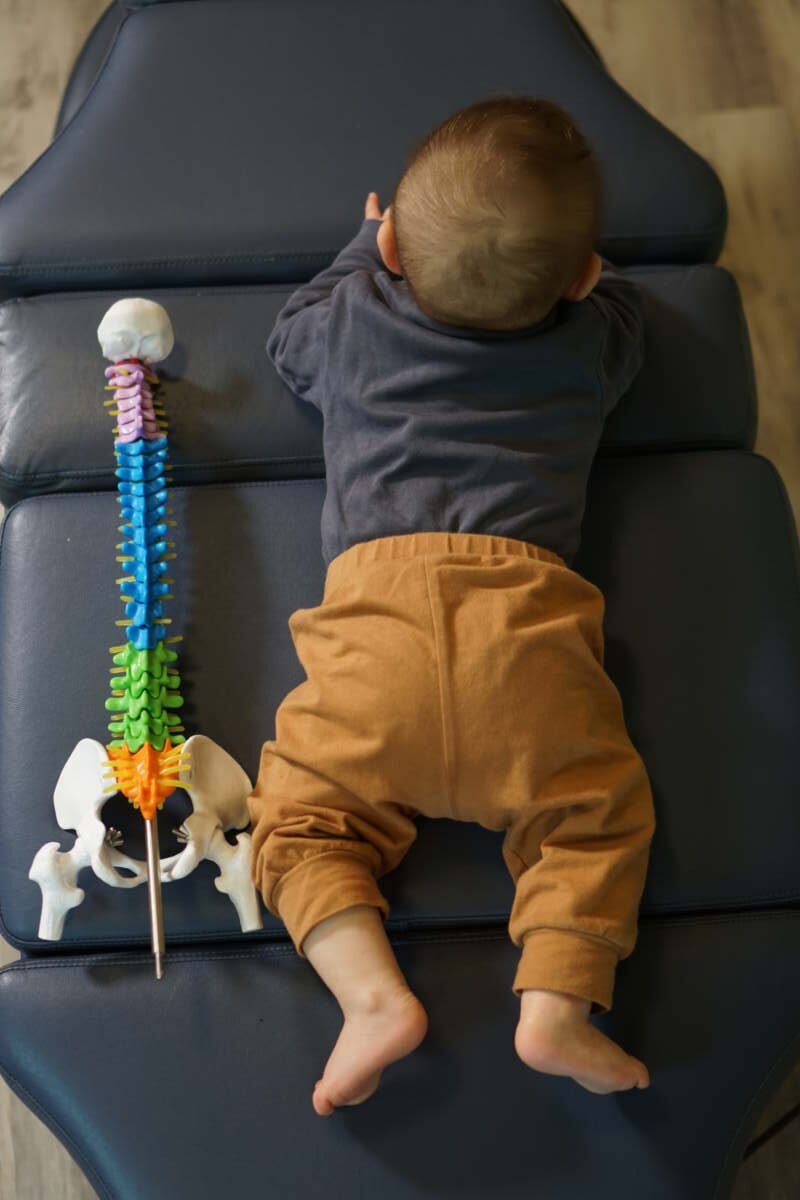
Performance drops in horses are rarely random. A slightly uneven stride, resistance during turns, or stiffness after training often points to something deeper. Most trainers now resort to equine chiropractic as a routine treatment, and not as a final care. This blog dissects the way it is useful, in what situations it is applicable, and what outcomes really look like in real life.
What Is Equine Chiropractic Care?
The chiropractic treatment of the equine is meant to restore the normal positioning of the spine and the joints in a horse. Any shift in alignment may result in alteration of movement, muscle activity and pain.
Adjustments are precise and controlled. No forceful cracking. Just small corrections that help the nervous system and muscles reset. Horses usually respond quickly. Some relax right away. Others show changes over a few sessions.
How It Improves Performance
Performance horses operate under constant physical stress. Training, competitions, travel. It all adds up.
Misalignment can limit stride length, reduce flexibility, and create compensation patterns. That’s when performance starts slipping.
Here’s what consistent equine chiropractic care can improve:
- Smoother and more balanced movement
- Increased flexibility and range of motion
- Better responsiveness under the saddle
A few equestrian rehab studies have shown improved gait symmetry in horses receiving regular chiropractic adjustments. Riders often notice it before data does. The horse just feels more fluid, more willing.
Role in Recovery and Injury Prevention
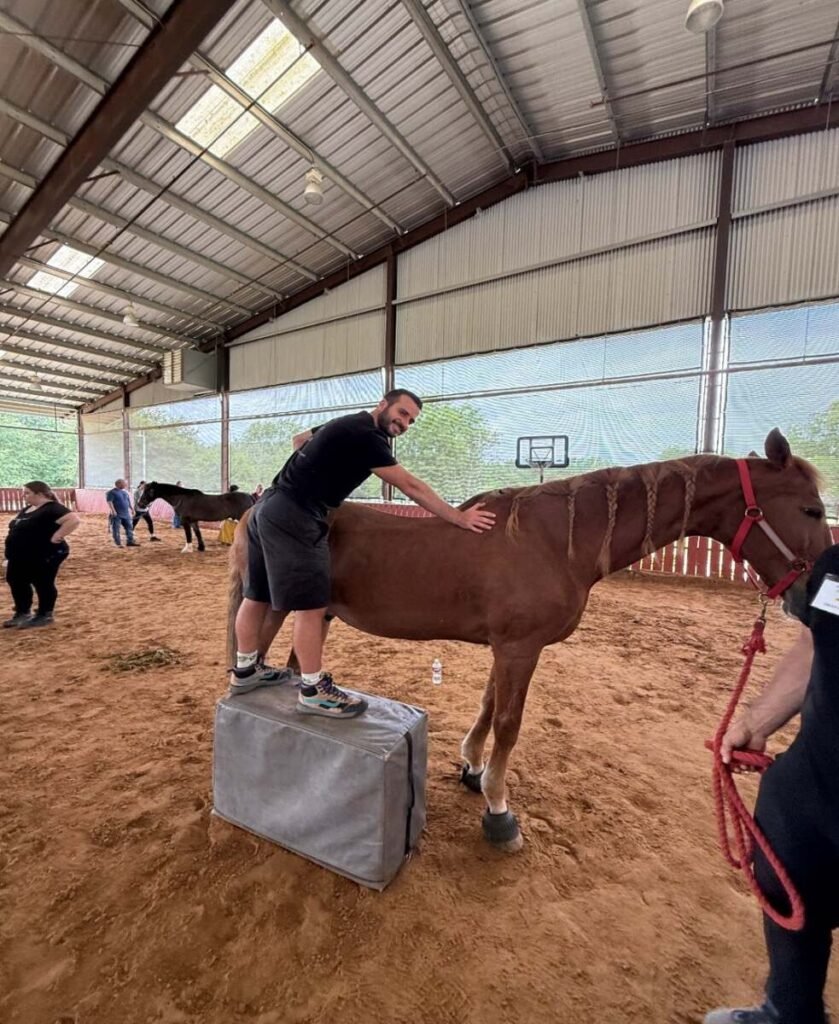
Recovery is where chiropractic care really stands out not just after injury, but before things get worse.
Small imbalances create uneven pressure on muscles and joints. Over time, that turns into strain or injury.
Chiropractic adjustments help:
- Release built-up muscle tension
- Support faster healing after a strain or minor injury
- Improve circulation and nerve communication
One case involved a show jumper struggling with recurring stiffness in the hindquarters. After a few sessions, the stiffness reduced, and jump consistency improved. Nothing dramatic overnight. Just steady progress that held.
Signs Your Horse May Need Care
Horses don’t always show pain clearly. It comes out in behavior and movement changes.
Watch for patterns like:
- Uneven gait or shortened stride
- Resistance during saddling or mounting
- Difficulty bending in one direction
- Sudden attitude changes during work
These signs often appear early. Addressing them quickly keeps issues from growing into bigger problems.
Finding the Right Equine Chiropractic Near Me
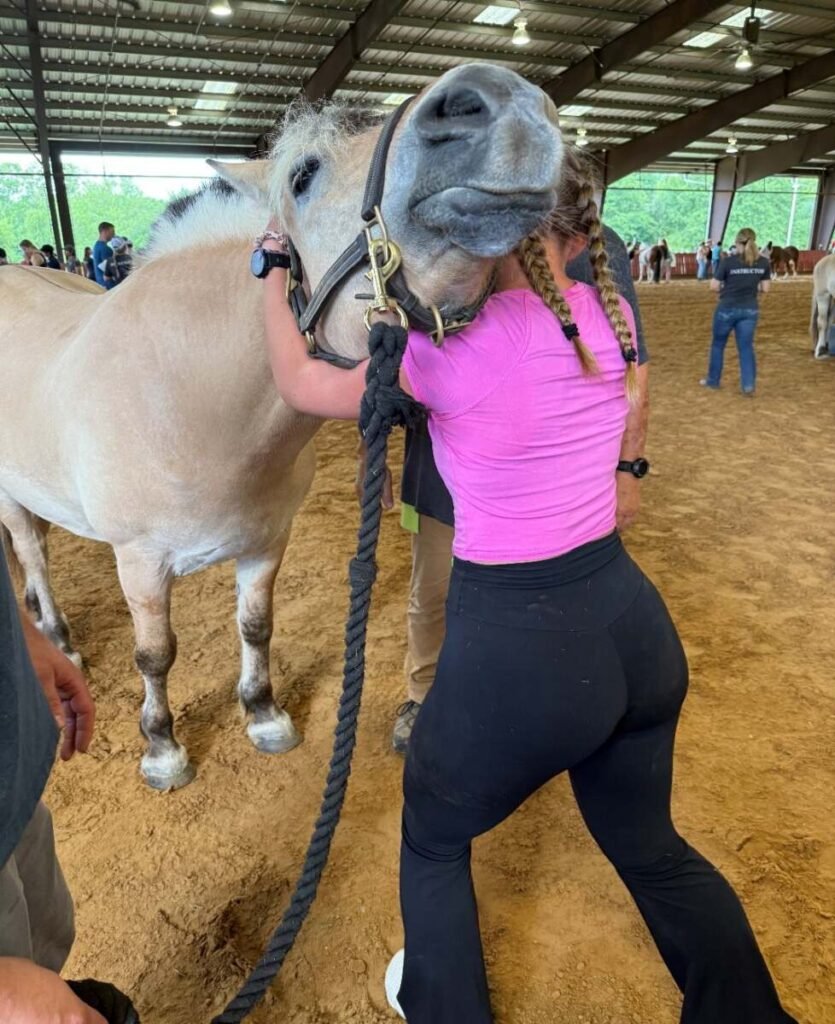
Search results can be overwhelming, but not all providers offer the same level of care. Experience with horses matters more than anything.
Seek a person who is knowledgeable of equine chiropractic services and equine performance requirements. It is important to have the certifications, but what really counts is the experience.
Clear communication is another good sign. A reliable practitioner explains what they’re doing and why, without overcomplicating it.
What Happens During a Session?
Sessions are usually calm and low-stress. Most horses adapt quickly.
A typical session includes:
- Movement and posture assessment
- Hands-on evaluation of joints and muscles
- Targeted adjustments
- Basic aftercare advice
Some horses show immediate improvement. Others need a few sessions. Consistency plays a big role.
Practical Insight That Often Gets Missed
When done in combination with proper management, chiropractic care proves to be the best. All factors that determine outcomes include saddle fit, training intensity and rest.
Skipping those basics limits progress. Keeping everything aligned, not just the spine, is what brings lasting change.
Conclusion
It is not only the correction of problems in equine chiropractic. It helps in improved movement and faster recovery as well as stability in performance over time. Its large-scale application as a routine measure and not as a remedy makes it a component of a more intelligent care plan.
To individuals who want to enhance the performance and the health of their horses in the long-term, the expert help of The ChiropractOrr provides a tailored and concentrated practice that yields actual outcomes.
FAQs
What does equine chiropractic care treat?
Equine chiropractic care helps with joint misalignment, muscle tension, reduced mobility, and performance issues in horses.
How often should I use equine chiropractic services?
Most performance horses benefit from sessions every 4 to 6 weeks, but frequency depends on workload and condition.
How do I find trusted equine chiropractic near me?
Look for certified professionals with hands-on experience in equine care and positive client feedback.
Is equine chiropractic safe for all horses?
Yes, when performed by a trained expert. Adjustments are gentle and adapted to each horse’s needs.