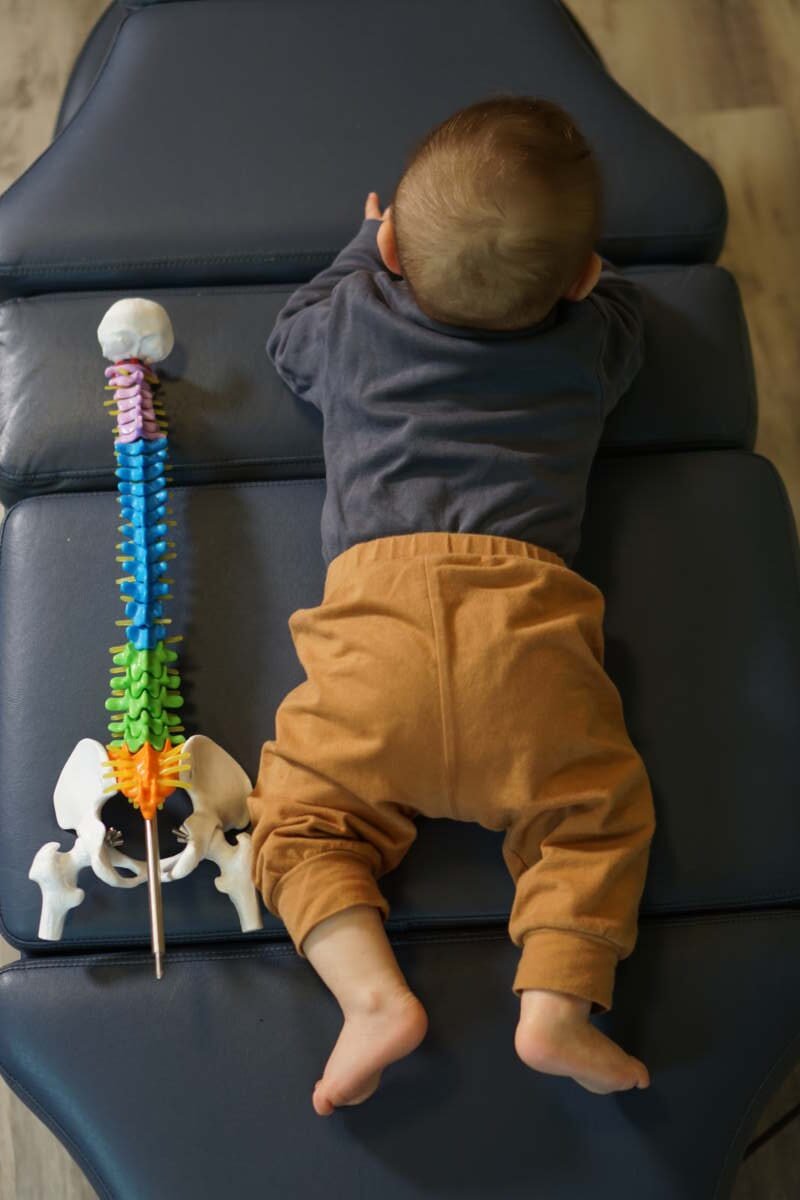
Chiropractic rehabilitation and physical therapy both address musculoskeletal injuries and movement dysfunction, but they differ fundamentally in philosophy, technique, and scope of practice. Chiropractic rehabilitation integrates spinal adjustments with corrective exercises to optimize joint function and nervous system communication, while physical therapy focuses primarily on tissue healing, strength building, and movement pattern retraining. Understanding these distinctions helps you choose the most effective pathway for your specific recovery goals, whether you’re managing chronic pain, returning from injury, or optimizing athletic performance in 2026.
Quick Answer: Key Differences in Treatment Philosophy
If you are wondering what is the difference between chiropractic rehabilitation and physical therapy, the answer lies in their foundational approach to the body. Chiropractic rehabilitation operates on the principle that proper spinal alignment and joint function enable the nervous system to coordinate healing throughout the entire body. Practitioners prioritize correcting structural imbalances first, then reinforce those corrections with targeted movement protocols. Physical therapy, by contrast, focuses on rehabilitating soft tissues muscles, tendons, and ligaments through structured exercise programs and modalities designed to restore functional capacity.
The scope of practice also creates a sharp dividing line. Chiropractors receive extensive training in diagnostic imaging, spinal biomechanics, and manual adjustment techniques. Physical therapists specialize in movement analysis, therapeutic exercise prescription, and modalities like ultrasound or electrical stimulation. Both professions aim to restore function, but their entry points differ significantly.
| Aspect | Chiropractic Rehabilitation | Physical Therapy |
|---|---|---|
| Primary Philosophy | Nervous system optimization through joint alignment | Tissue healing and strength restoration |
| Core Techniques | Spinal adjustments, manual therapy, corrective exercise | Therapeutic exercise, stretching, modalities |
| Treatment Goals | Structural correction, neurological function | Functional movement, muscle stabilization |
| Initial Assessment | Spinal imaging, posture analysis, neurological screening | Movement assessment, strength testing, range of motion |

Chiropractors utilize spinal adjustments within rehabilitation programs to restore proper joint mechanics before introducing exercise protocols. This sequence matters because a misaligned joint cannot move correctly regardless of how much surrounding muscle you strengthen. Addressing the structure first often accelerates overall recovery.
Why Chiropractic Rehabilitation Prioritizes Spinal Alignment First
The spine houses the central nervous system, the master control center for every function in your body. When vertebrae become restricted or misaligned a condition chiropractors call a subluxation nerve signals can become compromised. This interference affects not just local pain perception but can disrupt communication between your brain and muscles, organs, and tissues throughout your body. Correcting these restrictions allows your nervous system to function optimally, creating the proper environment for healing.
Chiropractors view the body as an interconnected system rather than a collection of isolated parts. A problem in your lower back might contribute to hip pain, knee dysfunction, or even shoulder stiffness. By addressing spinal alignment first, practitioners aim to resolve underlying mechanical issues rather than merely treating symptoms. This systems-thinking approach often resonates with athletes and active individuals seeking to address root causes rather than managing pain indefinitely.
- Comprehensive spinal assessment including imaging and biomechanical analysis
- Manual spinal adjustments to restore joint mobility and nerve function
- Soft tissue therapy to address muscle tension and adhesions
- Corrective exercise programs to reinforce adjustments and build stability
- Lifestyle modifications including posture education and ergonomic guidance
Research consistently supports the effectiveness of chiropractic care for certain conditions. A 2018 study published in JAMA Network Open found that chiropractic care combined with usual medical care for low back pain resulted in greater improvement than medical care alone.
Patients receiving chiropractic care reported significantly greater reduction in pain intensity and functional improvement compared to those receiving only standard medical treatment, with benefits persisting at 12-week follow-up assessments.
For patients seeking injury recovery through chiropractic care, this integrated approach offers a pathway that addresses both immediate symptoms and underlying dysfunction. The combination of hands-on adjustments and rehabilitative exercises creates lasting changes rather than temporary relief.
How Physical Therapy Addresses Tissue Healing and Strength Building
Physical therapy takes a different entry point into musculoskeletal rehabilitation. Therapists focus primarily on the soft tissue structures muscles, tendons, ligaments, and fascia that support and move your joints. Their treatment philosophy centers on rebuilding strength, improving flexibility, and retraining movement patterns that may have contributed to injury. This approach works exceptionally well for post-surgical rehabilitation, sports injuries involving soft tissue damage, and conditions requiring gradual strength progression.
Physical therapists rely heavily on exercise prescription as their primary intervention. After assessing your movement deficits, they design progressive programs targeting specific muscle groups. Modalities like ultrasound, electrical stimulation, and heat or cold therapy complement these exercises by managing pain and promoting tissue healing. The model is fundamentally educational therapists teach patients to manage their own recovery through consistent home exercise programs.
- Therapeutic exercise including resistance training and cardiovascular conditioning
- Manual stretching and range of motion activities
- Neuromuscular re-education to correct movement patterns
- Modalities such as ultrasound, TENS, and heat therapy
- Balance and proprioception training for stability improvement
- Functional task training specific to daily activities or sport demands
Physical therapists often work in conjunction with stretching therapy as a complementary approach to address flexibility restrictions. This combination can be effective for patients recovering from surgery or managing chronic conditions that require ongoing tissue maintenance.
Treatment Duration and Session Structure: What Athletes Need to Know
Understanding what to expect from each treatment approach helps you plan your recovery timeline and schedule. Chiropractic sessions typically run shorter in duration but may occur more frequently during initial correction phases. A standard visit might last 15-30 minutes, with the chiropractor performing adjustments, soft tissue work, and brief exercise instruction. Physical therapy sessions generally run longer often 45-60 minutes with most of that time devoted to supervised exercise and movement training.
Frequency also differs markedly. Chiropractic care often begins with higher visit frequency, sometimes 2-3 times per week for acute conditions, tapering as improvement occurs. Physical therapy typically follows a set prescription often 2 times per week for 4-6 weeks dictated by physician referral or insurance authorization. This structured approach ensures adequate time for progressive strengthening but may limit flexibility for faster or slower responders.
| Session Element | Chiropractic Rehabilitation | Physical Therapy |
|---|---|---|
| Typical Session Length | 15-30 minutes | 45-60 minutes |
| Initial Visit Duration | 45-60 minutes (includes exam) | 60-90 minutes (includes assessment) |
| Typical Frequency | 2-3x weekly initially, then tapering | 2x weekly for prescribed duration |
| Typical Treatment Length | 4-12 weeks depending on condition | 4-8 weeks per referral |
| Primary Activity | Manual adjustment, soft tissue therapy | Supervised exercise, movement training |
Athletes often benefit from integrated approaches combining both modalities. Many chiropractors incorporate extended soft tissue work, including FAKTR soft tissue therapy integration into their treatment sessions. This technique addresses fascial restrictions and movement dysfunction more comprehensively than adjustment alone, bridging the gap between strictly structural work and functional movement training.
When Chiropractic Rehabilitation Delivers Superior Outcomes [Study Data]
Certain conditions respond particularly well to chiropractic rehabilitation’s structural-neurological approach. When spinal dysfunction contributes to nerve irritation, muscle imbalance, or restricted movement, chiropractors can address the underlying mechanical issue. Research demonstrates significant benefits for conditions ranging from acute low back pain to cervicogenic headaches. Understanding which conditions respond best helps you make informed treatment decisions.
The evidence supporting chiropractic care continues to strengthen. Spinal manipulation has demonstrated effectiveness comparable to other recommended treatments for low back pain, with the added benefit of reducing pharmaceutical dependency. For neck pain, a combination of spinal manipulation and exercise outperformed medication alone in randomized controlled trials.
- Acute low back pain [Study: Spinal manipulation reduces recovery time]
- Chronic neck pain [Study: Combined manipulation and exercise superior to medication]
- Cervicogenic headaches [Study: Spinal manipulation reduces frequency and intensity]
- Sciatica and radiculopathy [Study: Mechanical reduction of nerve compression improves outcomes]
- Shoulder impingement [Study: Thoracic spine manipulation improves shoulder function]
- Sacroiliac joint dysfunction [Study: Manipulation resolves pain faster than exercise alone]
- Postural syndrome [Study: Structural correction with exercise outperforms exercise alone]
A systematic review in Spine journal concluded that spinal manipulation therapy was as effective as other common interventions for low back pain, with potentially lower costs and fewer side effects compared to pharmacological approaches.
Patients often benefit from posture correction through chiropractic care as part of their comprehensive treatment plan. Modern lifestyles dominated by screens, seating, and forward-head posture create predictable structural changes that respond well to targeted spinal correction combined with postural rehabilitation exercises.
How to Choose the Right Rehabilitation Approach for Your Injury Type
Selecting between chiropractic rehabilitation and physical therapy or combining both requires honest assessment of your condition, goals, and preferences. Neither approach represents a universal solution. Your specific injury, its underlying cause, and your desired outcomes should guide this decision. Start by identifying whether your primary dysfunction involves joint restriction and nerve irritation, or tissue damage and weakness requiring progressive strengthening.
Consider consulting both types of providers for complex conditions. Many practitioners now collaborate within integrated care models, recognizing that their combined expertise serves patients better than isolated treatment. Chiropractors can address structural restrictions while physical therapists rebuild functional capacity. This collaboration particularly benefits athletes returning to sport or patients recovering from significant injuries.
Patients exploring conservative care alternatives to surgery should seriously consider chiropractic rehabilitation before invasive interventions. Many conditions once treated surgically now respond well to comprehensive conservative management, particularly when practitioners address underlying biomechanical dysfunction rather than isolated symptoms.Key Takeaways: Combining Both Modalities for Optimal RecoveryThe most effective recovery strategies often draw from both disciplines. Chiropractic rehabilitation excels at restoring structural alignment and nervous system function, creating the foundation for healing. Physical therapy builds upon that foundation, strengthening tissues and retraining movement patterns to prevent recurrence. Together, these approaches address the complete picture of musculoskeletal health the hardware of your joints and muscles, and the software of your nervous system and movement patterns.Modern sports medicine increasingly embraces this integrated model. Elite athletes routinely receive both chiropractic care and physical therapy as standard components of their performance and recovery protocols. You don’t need professional athlete status to benefit from this combined approach. Anyone recovering from injury or managing chronic pain can leverage both perspectives for faster, more complete recovery.
- Address mechanical restrictions through chiropractic adjustment before strengthening
- Rebuild tissue integrity with progressive physical therapy protocols
- Reduce recovery time by optimizing nervous system function alongside tissue repair
- Prevent future injury through combined structural stability and movement efficiency
- Personalize treatment based on your specific condition and response to care
For patients seeking comprehensive chiropractic services, finding practitioners who integrate soft tissue therapy, corrective exercise, and nutritional guidance maximizes outcomes. The best chiropractors view themselves as partners in your health, working alongside your other healthcare providers to coordinate complete care.Frequently Asked Questions About Chiropractic Rehabilitation vs Physical TherapyCan I receive both chiropractic care and physical therapy simultaneously?Yes. Many patients benefit from concurrent treatment when providers communicate and coordinate care. A typical integrated protocol might involve chiropractic adjustments 2 times weekly with physical therapy sessions scheduled on alternating days. This combination allows structural corrections to be reinforced through targeted exercise while tissue healing progresses simultaneously. Always inform both providers about your complete treatment plan to ensure complementary rather than conflicting interventions.Does insurance cover chiropractic rehabilitation differently than physical therapy?Generally yes. Physical therapy typically requires physician referral and pre-authorization, with coverage determined by your plan’s rehabilitation benefits. Chiropractic care often operates under separate coverage limits many plans include a specific number of chiropractic visits annually without referral. Patients using using FSA or HSA benefits for chiropractic care can often apply those funds to both chiropractic and physical therapy services, expanding their coverage options beyond standard insurance limitations.Which approach works better for chronic back pain?Both can be effective. Research indicates chiropractic manipulation provides faster initial relief for many patients, while physical therapy offers superior long-term outcomes through sustained exercise adherence. Approximately 4-6 weeks of chiropractic care often reduces pain severity enough that patients can fully engage in strengthening programs. Chronic pain frequently requires both approaches addressing structural dysfunction first, then building the muscular support necessary to maintain improvement.How long until I notice results from chiropractic rehabilitation?Most patients experience improvement within 1-2 weeks. Research shows significant pain reduction within 2-4 visits for many acute spinal conditions, with functional improvements continuing throughout care. Chronic conditions typically require 4-6 weeks of consistent treatment before substantial changes become measurable. Your chiropractor should provide a treatment plan with expected timelines during your initial evaluation, adjusting recommendations based on your individual response to care.Is chiropractic rehabilitation safe for older adults?Yes, when performed by qualified practitioners. Chiropractors modify techniques for older patients, using gentler approaches appropriate for osteoporosis, arthritis, or surgical history. The literature reports extremely low rates of serious adverse events when properly indicated. Many older adults benefit significantly from improved joint mobility, reduced stiffness, and better balance key factors in maintaining independence and preventing falls as we age.Do I need a physician referral for chiropractic care?In most cases, no. Chiropractors are designated as portal-of-entry healthcare providers, meaning patients can access their services directly without referral. Physical therapy requirements vary by state some allow direct access while others require physician referral. Insurance plans may differ from state regulations, potentially requiring referral even when legally unnecessary. Check your specific plan details before scheduling either type of appointment.
| Injury/Condition | Primary Recommendation | Rationale |
|---|---|---|
| Acute low back pain | Chiropractic rehabilitation | Address spinal restriction and nerve irritation first |
| Post-surgical recovery | Physical therapy | Progressive tissue healing and strength restoration |
| Sports hernia or strain | Combined approach | Structural correction plus soft tissue rehabilitation |
| Chronic neck pain with headaches | Chiropractic rehabilitation | Cervical spine dysfunction often drives symptoms |
| ACL reconstruction recovery | Physical therapy | Structured strengthening protocol essential |
| Repetitive strain injury | Combined approach | Address both biomechanics and tissue stress |