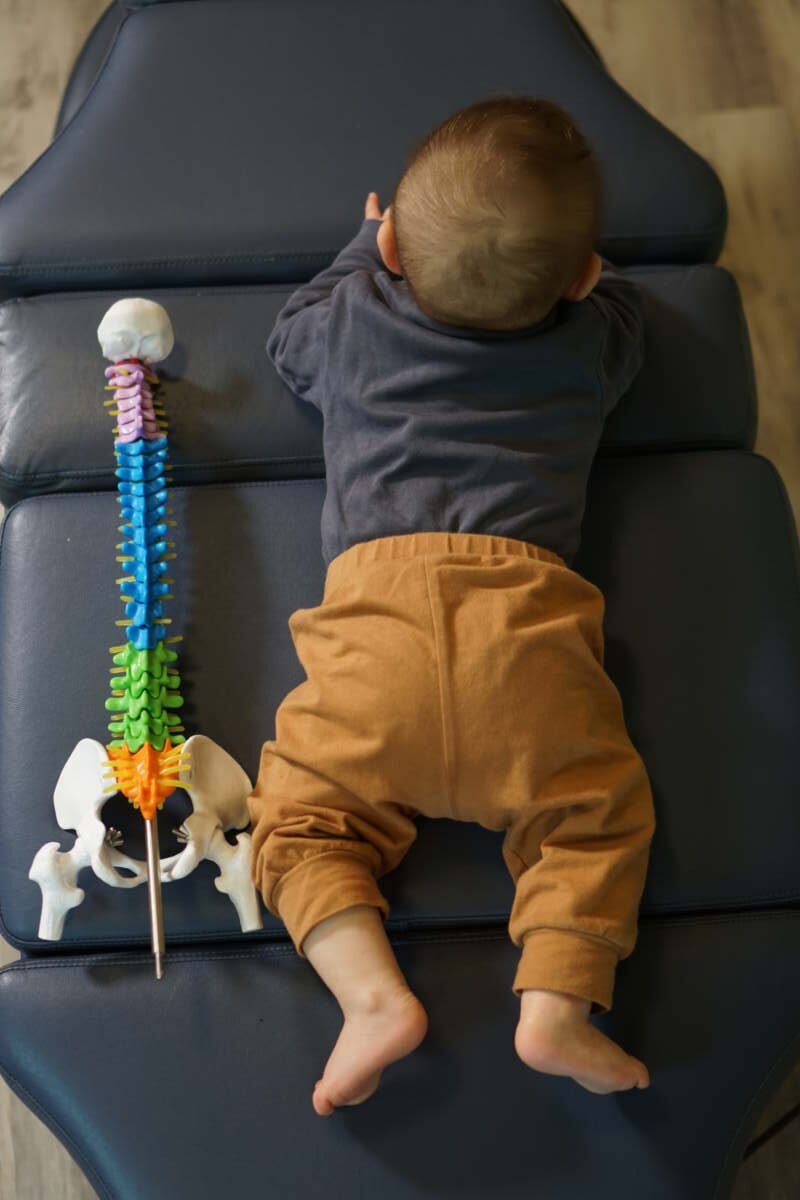
Rehab is not just about healing pain. It is about restoring proper movement, strength, and long-term function. There are a lot of patients who attempt to heal with the help of some standard exercises on the Internet or non-clinical recommendations. This tends to result in stunted development or failure. Custom rehab exercises are personalized exercises that are tailored after the injury to correspond with your situation and movement abilities, and recovery objectives. In their absence, patients make errors that slow down the healing process without their knowledge. The present blog describes the errors taking place in rehab most of the time, why it is important, and how a systematic approach can assist patients in their recovery safely and efficiently.
Why Generic Rehab Plans Often Fail
One-Size-Fits-All Exercises
Every injury is different. Using the same rehab plan for everyone ignores factors like age, posture, job demands, and past injuries. Generic routines may:
- Miss weak or restricted areas
- Overload healing tissue
- Ignore movement imbalances
This can cause pain to return even after short-term relief.
Poor Exercise Timing
Many patients either start too early or wait too long. Both can slow recovery. Without guidance, people often:
- Load joints before tissues are ready
- Skip early mobility work.
- Stay in the same phase for too long.
Correct timing helps tissues heal while rebuilding strength safely.
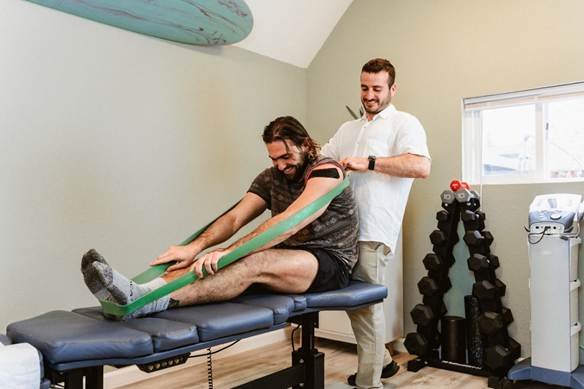
Common Mistakes Patients Make During Rehab
Skipping Movement Assessments
The rehab must begin with a movement assessment. Exercises cannot go with the movement of the body without it. In the absence of effective evaluations, the patients can acquire compensations, unequal strength gains, and permanent joint strain. Movement tests assist in the proper choice of exercises and safe, effective development in rehabilitation.
Doing Too Much or Too Little
Patients often think more is better, or they avoid discomfort completely. Both are mistakes.
- Overtraining increases inflammation
- Undertraining delays tissue adaptation
- Inconsistent effort limits progress
Balanced rehab loads are key for steady improvement.
Ignoring Pain Signals
Pain is something beneficial to be considered and not to be denied or forced. Patients who do not pay attention to pain tend to exacerbate it, create ineffective movement habits and prolong the recovery process. Strong rehab puts the body to the task in a moderate manner, and does not put the body under severe pain, acute and prolonged, which can slack healing process and induce susceptibility to injuries.
How Personalized Rehab Improves Outcomes
Targeted Strength and Mobility
Customized programs focus on the exact muscles and joints involved in the injury. This approach:
- Restores normal movement patterns
- Reduces re-injury risk
- Improves daily and sport-related performance
This is why post-injury personalized rehab exercises are more effective than generic plans.
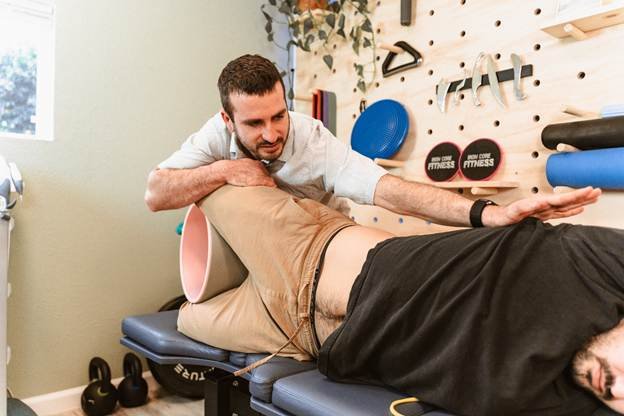
Clear Progression and Accountability
A structured program evolves as the body heals. Adjustments are made based on progress. Clear goals help patients understand what they are working toward at each stage of rehab. Measurable improvements make progress easy to track and adjust when needed. With consistency and proper progression built into the process, patients achieve better long-term results and reduce the risk of re-injury.
When to Seek Professional Guidance
If pain lingers, movement feels limited, or progress stalls, it is time to reassess. A professional rehab plan ensures exercises match your current phase of healing and daily demands. Patients who follow post-injury personalized rehab exercises often return to normal activity faster and with better confidence.
Conclusion
The cost of the recovery without an individual rehab plan is the existence of some frequent errors that may slow down the process and contribute to the risk. The generic exercises, improper timing, and neglected pain signals are all counterproductive to recovery. An efficient, customized strategy enhances safer movement, improved strength, and outcomes in the long run. The ChiropractOrr would be of use in case you want to construct a rehab plan based on the actual movements of your body. Are you on a rehab program that is injury-specific?
FAQs
1. Why are personalized rehab exercises better than online routines?
They are built around your injury, movement limits, and goals, not general advice.
2. Can generic exercises make an injury worse?
Yes. Incorrect loading or timing can delay healing or cause re-injury.
3. How often should rehab exercises be updated?
As your movement and strength improve, exercises should progress accordingly.
4. When should I start rehab after an injury?
This depends on the injury type and severity. Professional guidance ensures safe timing.