Training hard is easy to romanticize until the body starts pushing back. A tight shoulder that never fully loosens up. Calves that stay sore for three days after a run. Lower back stiffness is showing up every morning even though workouts are going well. Most athletes hit that wall eventually. Recovery becomes the thing holding them back, not effort.
That shift is exactly why more rehab clinics have started using FAKTR soft tissue therapy for pain relief in athletic recovery programs. Not because it is trendy. Mainly because athletes want treatments that actually help them move properly again instead of masking pain for a week.
FAKTR therapy blends soft tissue work with movement-based rehab. Simple idea honestly, but it changes how recovery happens.
What Exactly Is FAKTR Therapy?
FAKTR stands for Functional and Kinetic Treatment with Rehab. Sounds technical at first. The treatment itself is pretty straightforward though. A provider uses specialized instruments along with guided movement to find areas where tissue is tight, restricted, irritated, or just not functioning well anymore.
Traditional soft tissue therapy often happens while the patient lies still on a table. FAKTR is different because movement stays part of the process. Squatting, rotating, stretching, stepping. Those motions help expose dysfunction that may not show up while resting. That matters more than people think. Athletes rarely get injured standing perfectly still.
Why Athletes Keep Turning to It
Heavy training loads create stress everywhere. Muscles adapt. Tendons tighten. Fascia thickens over time. Sometimes the body handles it fine for months. Then small problems start stacking together.
A runner notices hip tightness after mile six. A baseball player loses shoulder mobility halfway through the season.
A weightlifter starts compensating during squats without realizing it. Those little movement changes usually show up before real pain does.
FAKTR therapy is commonly used for:
- Tendonitis
- Shin splints
- Plantar fasciitis
The goal is not simply calming soreness down for a day or two. Treatment focuses more on restoring healthy movement and improving tissue quality long-term. That part gets overlooked a lot in recovery conversations.
How FAKTR Soft Tissue Therapy Helps With Pain Relief
Pain changes movement fast. The body starts protecting itself automatically. One restricted ankle can throw off knee alignment. Tight hips can affect posture, balance and even running mechanics.
FAKTR soft tissue therapy works by targeting those restrictions directly.
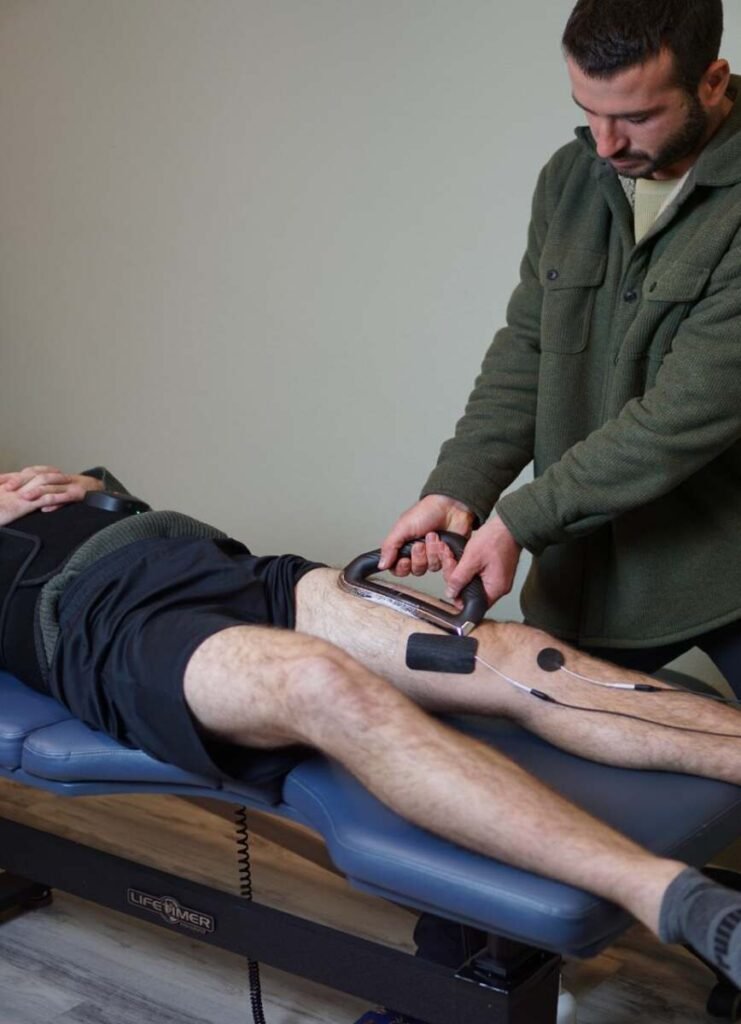
Specialized instruments glide across the skin to detect rough or damaged tissue areas. During treatment, patients move through controlled motions while pressure is applied to affected muscles and fascia. That active approach helps retrain movement instead of relying on passive recovery alone.
Some athletes notice:
- Better flexibility
- Less post-workout stiffness
- Smoother movement during training
Results vary obviously. Chronic injuries usually take time. Still, many athletes say they feel movement improvements pretty quickly, especially in areas that have stayed tight for months.
There is also growing support behind movement-based rehab methods in sports medicine research. Several rehabilitation studies have shown that soft tissue mobilization combined with corrective exercise may improve mobility and reduce recovery time in active patients.
Not magic. Just smarter recovery.
Recovery and Performance Are Closely Connected
Performance drops when movement quality drops. That connection becomes obvious during long seasons or heavy training cycles.
Restricted muscles cannot produce force efficiently. Mobility limitations create compensation patterns. Eventually something overloaded starts hurting.
That cycle repeats constantly in sports. Athletes recovering well tend to move more cleanly and consistently. Stride patterns improve. Joint stress decreases. Training sessions feel smoother instead of heavy and restricted all the time.
A lot of people expect dramatic overnight results from therapy. Usually recovery looks less exciting than that. Small changes. Better rotation. Easier mobility. Less tightness after practice. Then those little gains build over several weeks.
Honestly, that is often what lasting recovery looks like.
What a Typical FAKTR Session Feels Like
Most sessions begin with movement assessments. Providers watch how the body bends, rotates, balances, or stabilizes under motion.
Treatment may involve:
- Instrument-assisted soft tissue work
- Mobility drills
- Stretching and rehab exercises
Some areas can feel tender during treatment, especially around scar tissue or chronically tight muscles. That part surprises some patients at first. The discomfort usually fades pretty fast afterward though.
Movement stays involved throughout the process, which is one reason many athletes prefer it over passive soft tissue treatments.
Recovery Is Different for Every Athlete
A marathon runner recovering from calf tightness will not need the same approach as a baseball player dealing with shoulder restriction.
One reason why FAKTR therapy is effective in various sports and levels of activity is its flexibility. It is regularly used by competitive athletes, but is open to active adults, gym members, cyclists and weekend runners as well.
One treatment session cannot undo years of poor mechanics or accumulated stress. Recovery usually works better when mobility work, strength training, sleep and rehab all support each other.
Conclusion
The way of athletic recovery has evolved. Rest in itself is seldom sufficient anymore. The quality of movement, tissue health and adequate rehab are now significant in long-term performance and prevention of injuries. Pain relief using FAKTR soft tissue therapy provides a more proactive method of recovery to athletes who have undergone soft tissue therapy as a form of treatment and movement-oriented rehabilitation. With improved mobility, less restriction and healthier movement patterns, training can be a more comfortable experience and recovery a less irritating one as time passes. Athletes searching for movement-based recovery care can learn more through The ChiropractOrr.
FAQs
What is FAKTR soft tissue therapy used for?
FAKTR therapy is commonly used for sports injuries, muscle tightness, scar tissue, mobility restrictions, and chronic pain related to repetitive movement.
Does FAKTR therapy help athletes recover faster?
Many athletes use FAKTR therapy to improve mobility, reduce tissue restrictions, and support faster recovery between workouts or competitions.
Is FAKTR soft tissue therapy painful?
Some tenderness can happen during treatment, especially around tight or damaged tissue areas, but most patients describe it as manageable.
How many FAKTR sessions are usually needed?
That depends on the severity of the condition, movement limitations, and activity level. Some athletes notice improvement within a few visits, while long-term issues may need ongoing care.