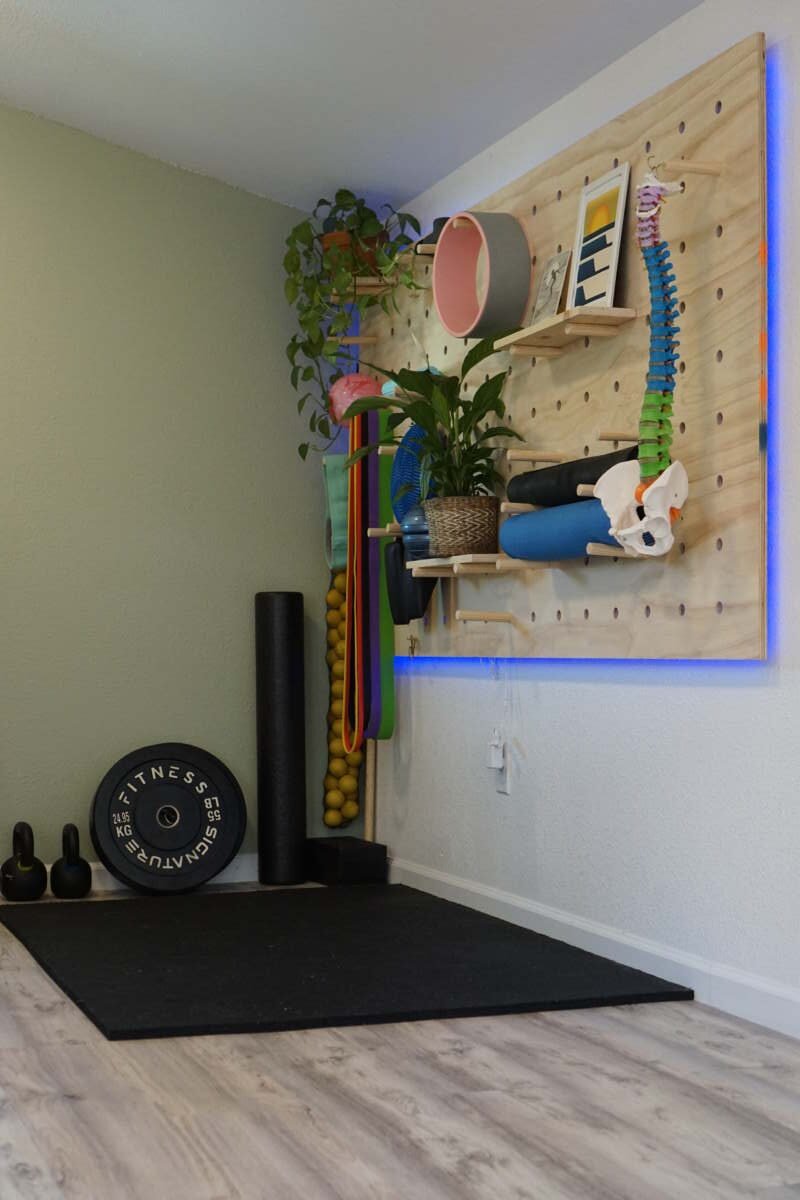
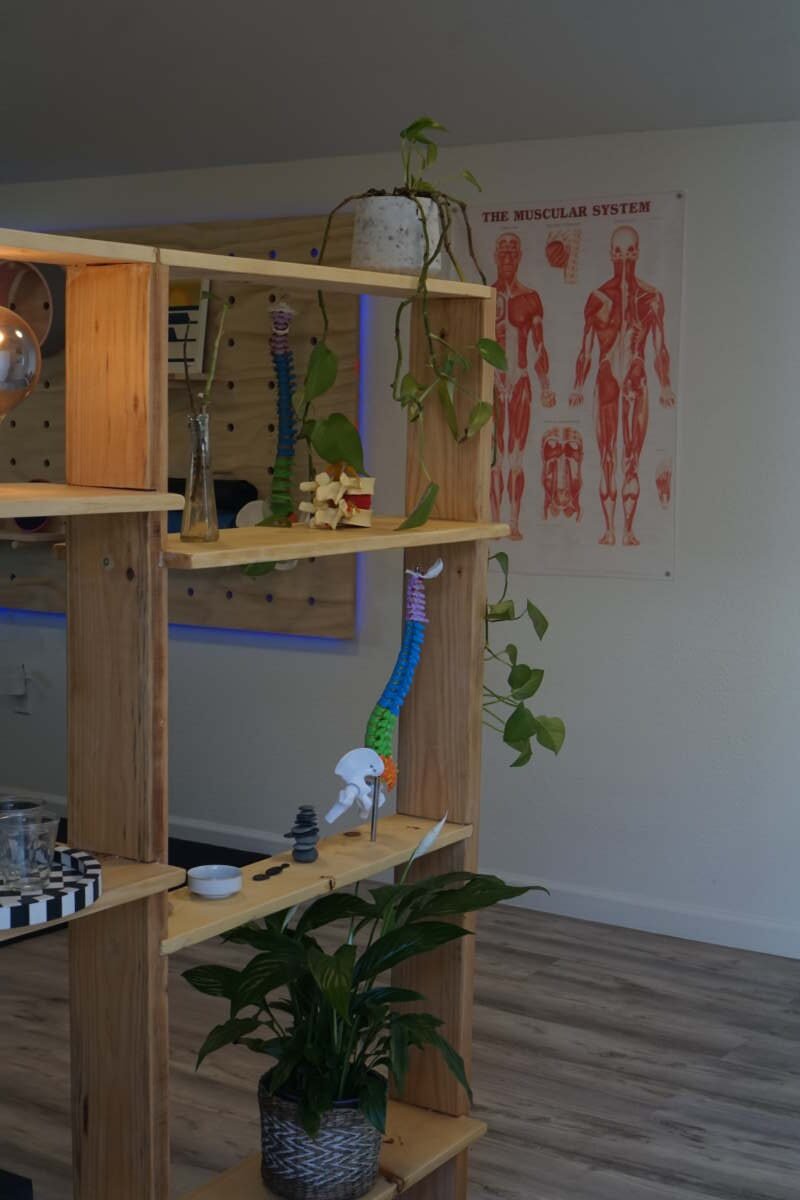
Neck tension builds from repetitive strain, poor posture, and muscle overload factors that compress cervical joints and create trigger points in the upper trapezius and levator scapulae. Relief requires a multi-modal approach: targeted soft tissue release to break adhesions, spinal adjustments to restore cervical mobility, and corrective movement patterns that prevent recurrence. Evidence shows manual therapy combined with ergonomic correction delivers faster, longer-lasting outcomes than passive stretching alone. Here’s how clinical intervention and self-care work together to eliminate tension at the source.
Quick Answer: The Three-Step Method to Release Neck Tension Immediately
When neck tightness strikes, you need a systematic approach that addresses joint stiffness, muscle guarding, and movement dysfunction simultaneously. The most effective relief strategy combines three distinct interventions that work together to restore normal function. Professional chiropractic adjustments for neck pain restore proper joint mechanics, while soft tissue therapy releases chronic muscle holding patterns. The final piece involves retraining your movement habits to prevent the tension from returning.

- Restore Joint Mobility: Spinal adjustments realign cervical vertebrae, reducing mechanical stress and restoring range of motion.
- Release Soft Tissue Restrictions: Targeted therapy breaks down adhesions and trigger points in the upper trapezius and levator scapulae muscles.
- Correct Movement Patterns: Neuromuscular re-education retrains your body to maintain proper posture under daily stress.
Why Cervical Tension Develops: The Biomechanics Behind Muscle Guarding
Your cervical spine functions as a precise mechanical system where seven vertebrae support your skull while allowing roughly 600 degrees of combined rotation and bending. When posture deviates from neutral alignment, the deep stabilizing muscles fire continuously to protect the joints. This protective mechanism, called muscle guarding, eventually exhausts the smaller stabilizers and forces larger global muscles like the upper trapezius to compensate. Over time, these overworked muscles develop myofascial trigger points those tender, rope-like knots that refer pain toward the base of the skull.
Forward head posture represents the most common driver of chronic neck tension. For every inch your head drifts forward of neutral alignment, the effective weight your neck supports increases dramatically. The levator scapulae and suboccipital muscles enter a state of chronic contraction as they fight to keep your eyes level with the horizon. This constant effort depletes cellular energy, reduces blood flow to the muscle bellies, and creates the familiar sensation of stiffness that stretching alone cannot resolve.

Modern work environments amplify these biomechanical stressors significantly. According to data from Zipdo, 65% of workers report neck pain stemming directly from improper laptop screen height, a finding that highlights how critical proper ergonomics become for anyone spending extended hours at a desk. The problem extends beyond simple discomfort sustained postural strain accelerates cervical disc degeneration and promotes the formation of bone spurs along the vertebral end plates.
| Factor | Acute Tension Trigger | Chronic Tension Driver |
|---|---|---|
| Physical Cause | Sudden movement, poor sleep position | Sustained forward head posture, repetitive strain |
| Tissue Response | Protective muscle spasm, joint restriction | Myofascial adhesions, disc dehydration |
| Pain Pattern | Sharp, localized, movement-limited | Dull, achy, spreads to shoulders and head |
| Resolution Time | Days to weeks with proper care | Requires structural and behavioral intervention |
Workplace Ergonomics and Postural Overload [2026 Data]
Office workers face particularly high risks of developing cervical spine stiffness due to prolonged static loading. The human neck evolved for movement, not for holding one position for eight hours daily. When your head remains fixed on a screen, the intervertebral discs lose their normal pumping mechanism that delivers nutrients and removes metabolic waste. Static posture also reduces lubrication in the facet joints, creating the characteristic morning stiffness many patients describe. Addressing postural neck strain through posture correction through chiropractic care helps restore the mobile, adaptable cervical spine your body requires.
The rise of hybrid work schedules in 2026 has introduced new ergonomic challenges. Many professionals split time between properly equipped offices and makeshift home workstations. This inconsistency prevents your body from adapting to any single setup, keeping the nervous system in a constant state of protective tension. Simple adjustments like raising your monitor to eye level, supporting your forearms on armrests, and positioning your keyboard to maintain a neutral wrist angle reduce the biomechanical load on your cervical spine substantially.
Clinical Techniques: How Chiropractic Care Restores Cervical Mobility
Chiropractic treatment for neck tension focuses on restoring normal motion to hypomobile spinal segments. When a facet joint becomes restricted, the body compensates by increasing movement and therefore stress at adjacent levels. This phenomenon, called compensatory hypermobility, creates a vicious cycle where the stiff joints get stiffer and the already-mobile joints become irritated from overuse. Skilled spinal manipulation addresses this pattern directly by delivering a precise, high-velocity thrust to the restricted joint capsule.
The adjustment creates a brief separation of the joint surfaces, which releases built-up synovial fluid pressure and stimulates mechanoceptors in the joint capsule. This neurological input triggers a reflex relaxation of the surrounding musculature, breaking the tension-spasm cycle that perpetuates neck pain. Patients often report an immediate sensation of warmth and lightness following cervical manipulation, along with measurable improvements in rotation range of motion.
Joint mobilization offers a gentler alternative for patients who prefer less forceful techniques. This approach uses slower, oscillatory movements to stretch the joint capsule and improve fluid circulation within the synovial space. Both techniques achieve similar outcomes through different mechanisms manipulation creates rapid change through mechanical and neurological signals, while mobilization produces gradual improvements through sustained tissue loading.
Soft Tissue Therapy: Breaking the Tension-Spasm Cycle
Spinal adjustments work best when combined with targeted soft tissue techniques that address the muscular component of neck tension. Trigger points in the upper trapezius and levator scapulae often persist even after joint mobility improves, creating a situation where the muscles continue pulling the vertebrae out of alignment. Skilled myofascial release applies sustained pressure to these adhesions, mechanically disrupting the cross-links between collagen fibers that limit muscle lengthening.
Integrating trigger point therapy for muscle knots into your treatment plan accelerates recovery by addressing the soft tissue restrictions that adjustments alone cannot fully resolve. The most effective clinical protocols combine multiple soft tissue modalities to target different layers of the myofascial system.
- Instrument-Assisted Soft Tissue Mobilization: Specialized tools scan and treat fascial restrictions with precision.
- Active Release Technique: Patient movement combined with provider tension breaks adhesions under load.
- Trigger Point Dry Needling: Thin monofilament needles deactivate hyperirritable spots in muscle tissue.
- FAKTR Protocol: Functional and kinetic treatment with rehabilitation addresses tissue while moving.
Self-Release Strategies: Evidence-Based Home Techniques
Between clinical visits, you can maintain progress and manage flare-ups with targeted self-care techniques. The goal of home intervention is not to replace professional care but to augment it by keeping tissues mobile and preventing the recurrence of protective muscle guarding. Research consistently supports active patient participation in recovery those who take responsibility for their daily movement habits achieve significantly better outcomes than those relying solely on passive treatment.
A meta-analysis from Nyu found that relaxation techniques significantly improve pain intensity and pain-related disability in chronic nonspecific neck pain compared to control groups, demonstrating that mind-body interventions produce measurable physiological changes in muscle guarding patterns. Breathing exercises, progressive muscle relaxation, and mindfulness-based stress reduction all help downregulate the sympathetic nervous system activity that perpetuates chronic tension.
- Chin Tucks: Gently draw your chin straight back, lengthening the back of your neck. Hold 5 seconds, repeat 10 times hourly.
- Suboccipital Release: Place two tennis balls in a sock, position under skull base. Lie still for 2 minutes, breathing deeply.
- Upper Trapezius Stretch: Sit on one hand, gently pull head to opposite side. Maintain 30 seconds per side, 3 times daily.
- Levator Scapulae Stretch: Turn head 45 degrees, look toward your armpit. Apply gentle overpressure until you feel moderate tension.
- Pectoral Doorway Stretch: Place forearm on doorframe, lean forward until chest feels opening. Hold 30 seconds to counter rounded shoulders.
Movement Correction: Preventing Tension Through Neuromuscular Re-Education
Lasting relief from neck tension requires more than treating symptoms it demands addressing the underlying movement dysfunction that created the problem. Deep neck flexor training rebuilds the stabilizing muscles that should support your cervical spine during daily activities. When these inner core muscles function properly, the larger, more visible muscles like the upper trapezius can relax into their intended role as movement generators rather than postural stabilizers.
The craniocervical flexion test reveals whether your deep flexors are firing correctly. Many patients with chronic neck tension substitute with their superficial sternocleidomastoid and scalenes when asked to perform gentle nodding motions. This substitution pattern perpetuates the forward head posture cycle. Retraining proper motor control involves very small, precise movements performed with feedback from a pressure cuff or tactile cueing.
Scapular stability training complements deep neck flexor work by creating a stable foundation for your cervical spine. Weakness in the lower trapezius and serratus anterior allows the scapulae to glide forward and upward, pulling on the levator scapulae and upper trapezius through their attachment points. Simple exercises like wall slides, band pull-aparts, and prone shoulder flexion train these muscles to hold your shoulder blades in optimal position throughout the day.
Key Takeaways: Building a Sustainable Neck Health Protocol
Sustainable neck health emerges from consistent daily habits combined with periodic professional support. Rather than waiting for pain to intensify before seeking help, the most successful patients adopt a proactive maintenance approach that keeps their cervical spine functioning optimally year-round. Understanding how clinical care and self-management work together empowers you to take control of your musculoskeletal health.
- Combine Methods: Adjustments, soft tissue therapy, and exercise together deliver faster, longer-lasting results than any single approach alone.
- Optimize Your Environment: Proper screen height, chair setup, and keyboard position dramatically reduce daily postural strain.
- Address Root Causes: Treating joint restrictions and muscle adhesions corrects the underlying dysfunction, not just symptoms.
- Practice Daily Movement: Brief, frequent mobility breaks prevent static loading and maintain functional range of motion.
FAQ: Common Questions About Neck Tension Relief
Can chiropractic adjustments really help chronic neck tension?
Yes, spinal manipulation effectively reduces chronic neck pain and improves mobility in peer-reviewed research. Studies show that patients receiving chiropractic care report significant improvements in pain intensity and functional ability compared to those using medication alone. The adjustments restore proper joint mechanics, which allows tight muscles to relax naturally.
How often should I see a chiropractor for neck tension?
Individual needs vary, but most patients benefit from weekly sessions initially, transitioning to monthly maintenance care. The specific frequency depends on your activity level, ergonomic setup, and degree of tissue dysfunction. Your chiropractor will develop a personalized treatment plan based on your examination findings.
Is it normal to feel sore after neck adjustments?
Yes, mild soreness occasionally occurs for 24-48 hours following your first few adjustments. This response resembles the sensation after starting a new exercise routine. Your body adapts quickly, and most patients report feeling lighter and more mobile once this initial adaptation period passes.
Why does stretching alone not fix my neck tightness?
Stretching addresses muscle length but ignores joint stiffness and motor control dysfunction. Tension often begins in restricted facet joints, so the muscles tighten protectively around the stiff segments. Without restoring proper joint mobility first, the muscles will continue guarding regardless of how much you stretch.
Can stress cause physical neck tension?
Absolutely, emotional stress triggers the sympathetic nervous system, which increases resting muscle tone throughout your neck and shoulders. This unconscious bracing pattern creates the same myofascial trigger points that develop from physical strain. Effective treatment addresses both the mechanical and neurological components of your tension.
What pillow works best for preventing neck tension?
The ideal pillow maintains neutral cervical alignment whether you sleep on your back or side. Back sleepers need thinner support that fills the natural curve without pushing the head forward, while side sleepers require enough height to keep the neck aligned with the Thoracic spine. Your chiropractor can evaluate your sleeping position and recommend appropriate options.