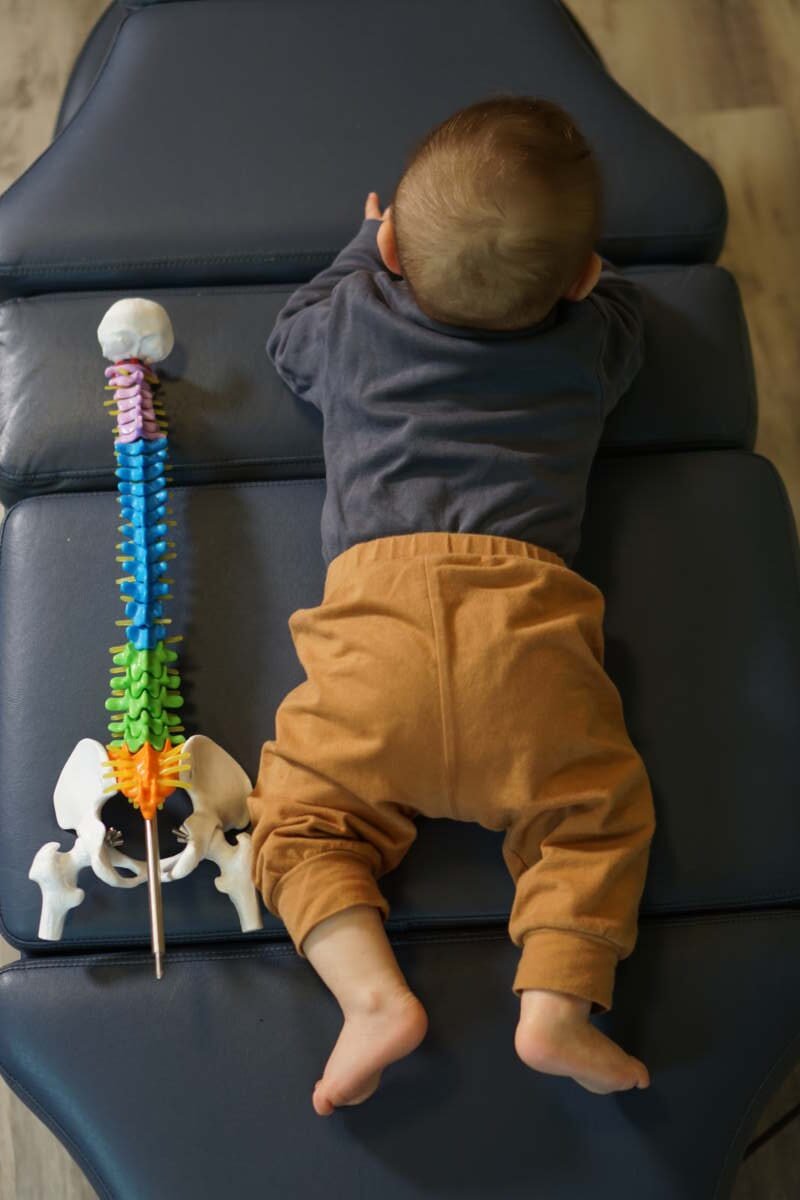
Chiropractic care helps athletes recover by restoring normal joint motion, easing muscle tension, and retraining movement so the body can heal without compensating. Rest alone often leaves stiff joints and weak links behind, which is why so many athletes feel “healed” and then get hurt again. A sports-focused chiropractor looks past the sore spot to find the mechanical cause, then combines adjustments, soft tissue therapy, and corrective exercise to get you back to training confidently and safely.
Quick Answer: Chiropractic Care Restores Joint Mechanics So Athletes Heal Faster and Re-Injure Less
Chiropractic care accelerates athletic recovery by addressing the root mechanical cause of injury rather than just masking symptoms, combining joint adjustments with soft tissue therapy to restore normal movement patterns. When an athlete walks into a clinic looking for recovering from sports injuries with chiropractic care, the goal is not just pain relief. The goal is function. A sports chiropractor identifies where motion is restricted, why muscles are overworking, and how to retrain the body so the injury does not return the moment training intensifies.
The recovery process relies on four distinct mechanisms working together:
- Joint mobilization restores normal range of motion to restricted segments, reducing mechanical stress on surrounding tissues.
- Soft tissue therapy releases tight muscles and fascia that pull joints out of alignment or limit movement.
- Neuromuscular re-education retrains the brain-body connection so athletes move efficiently instead of compensating.
- Corrective exercise strengthens the weak links that allowed the injury to happen in the first place.

Why Rest Alone Fails: Joint Restriction and Muscle Imbalance Quietly Stall Healing
Most athletes have been there. You tweak something, the doctor says “rest it for two weeks,” and the pain fades. So you go back to training. Three weeks later, the same injury flares up, often worse than before. It is frustrating and demoralizing, but the reason is usually mechanical, not bad luck.
Rest reduces inflammation. It lets acute irritation settle down. But rest does not fix the joint restriction that caused the tissue to fail in the first place. When a joint stops moving properly, the body compensates by loading other structures more heavily. Those compensations do not disappear when the pain stops. They wait, quietly overworking tendons, ligaments, and muscles until something gives way again.
Research on athletic injury patterns shows that compensatory movement significantly increases re-injury risk, as athletes return to sport with altered biomechanics that load tissues beyond their capacity. The original injury site might be healed, but the movement system is still broken. Addressing posture and movement habits that slow recovery is what breaks the cycle.
Common compensation patterns that persist after injury include:
- Altered gait mechanics after ankle or knee injuries, placing excess load on the hip and lower back.
- Shoulder hiking after neck or shoulder strains, creating chronic upper trap tension and reduced arm mobility.
- Core inhibition after lower back pain, leaving the spine without its primary stabilizer during athletic movements.

The Nervous System Connection: How Adjustments Change Pain Signaling and Muscle Activation
A chiropractic adjustment does more than “crack a bone back into place.” That pop you hear is gas releasing from the joint capsule, but what matters more is what happens neurologically. Joints are packed with sensory receptors called mechanoreceptors. They tell the brain where the joint is, how it is moving, and how much load it is under.
When a joint is restricted or dysfunctional, those receptors fire abnormal signals. The brain interprets this as a threat, triggering protective muscle guarding and pain signaling. An adjustment delivers a specific, high-velocity impulse that resets this loop. Mechanoreceptors fire normally, the brain recognizes the joint as safe, and protective guarding relaxes.
A systematic review found that spinal manipulative therapy produces immediate reductions in pain intensity and muscle tension, with effects mediated through neurological pathways rather than just mechanical joint resetting. This is why athletes often feel looser and stronger within minutes of an adjustment, even though the tissue has not physically changed yet. The nervous system is no longer protecting the area so aggressively.
For athletes weighing options, understanding the neurological benefit helps when choosing chiropractic adjustment over surgery for back pain or other invasive interventions. The adjustment does not just move a joint. It changes how the brain and body communicate.
Sprains, Strains, and Overuse: Which Athletic Injuries Respond Best to Chiropractic Care
Not every sports injury belongs in a chiropractor’s office. Fractures, dislocations, and complete ligament tears need orthopedic intervention, often surgery. But the vast majority of athletic injuries are functional rather than structural. These respond extremely well to conservative care that restores motion and retrain movement.
Sports chiropractors commonly treat injuries involving the spine, shoulders, hips, knees, and wrists. The approach varies by tissue type, severity, and the athlete’s sport. What works for a runner with IT band syndrome differs from what works for a quarterback with shoulder impingement.
Safety matters here. A responsible sports chiropractor refers out when imaging or surgical consultation is needed. If red flags like progressive weakness, loss of reflexes, or unremitting night pain appear, you will be sent to the right specialist. For more injury recovery guides, our resource library covers specific conditions in detail.
| Injury Type | Common Cause | Chiropractic Approach | Primary Focus |
|---|---|---|---|
| Lumbar disc irritation | Heavy lifting, rotational stress | Flexion-distraction, core stability | Disc decompression, centralization of symptoms |
| Shoulder impingement | Overhead throwing, swimming | Scapular mobilization, rotator cuff rehab | Scapulohumeral rhythm restoration |
| IT band syndrome | Running, repetitive knee flexion | Hip adjustment, soft tissue release | Glute activation, lateral chain balance |
| Wrist sprain | Falls, weight-bearing sports | Joint mobilization, proprioceptive retraining | Carriage stability, grip strength |
| Hip flexor strain | Sprinting, kicking | Pelvic alignment, active release | Extension restoration, hip-spine coordination |
Beyond the Adjustment: Soft Tissue Work, Stretching, and Corrective Exercise Close the Recovery Loop
An adjustment feels great. The joint moves, tension releases, and pain drops. But adjustments alone rarely hold. The muscles that tightened around that restricted joint are still tight. The movement pattern that overloaded that joint is still programmed. Without addressing these, the restriction returns within days, sometimes hours.
Lasting recovery requires a layered approach. The adjustment creates a window of opportunity. Soft tissue therapy, stretching, and corrective exercise make that window permanent. When athletes commit to the full process, they do not just feel better for a few days. They actually heal.
Complementary therapies that support chiropractic adjustments include:
- Instrument-assisted soft tissue mobilization breaks down scar tissue and adhesions, improving fascia glide and reducing restriction.
- Trigger point therapy releases hyperirritable muscle knots that refer pain and limit range of motion.
- Proprioceptive exercises retrain balance and joint position sense, crucial after ankle and knee injuries.
- Active Release Technique combines pressure with active movement to free entrapped nerves and restore contractile function.
- Dynamic stretching protocols improve flexibility through movement patterns that mimic sport demands.
Understanding how stretching therapy complements chiropractic treatments helps athletes see why the combination matters. One without the other is incomplete. Together, they create the mobility, stability, and motor control needed for athletic performance.
Adjustment or Decompression? Choosing the Right Tool for Spine-Related Athletic Injuries
Spine injuries in athletes often involve disc bulges, nerve irritation, or facet joint compression. The question becomes whether a traditional chiropractic adjustment or spinal decompression therapy is the better fit. The answer depends entirely on what the examination finds.
Traditional adjustments use a high-velocity, low-amplitude thrust to restore joint motion. They work exceptionally well for facet joint restrictions, segmental stiffness, and mechanical low back pain. Decompression uses a motorized table to gently stretch the spine, creating negative pressure within the disc and reducing nerve compression. It is typically reserved for disc bulges, herniations, and radiculopathy.
Some athletes benefit from both. Decompression reduces disc pressure, while adjustments restore motion to the joints above and below the injured segment. The decision is clinical, not preferential. A thorough orthopedic and neurological exam determines which tool fits the condition.
Athletes frequently ask about spinal decompression vs chiropractic treatment, assuming one is better. The truth is they serve different purposes.
| Modality | Best For | How It Feels | Often Paired With |
|---|---|---|---|
| Chiropractic adjustment | Facet joint restriction, segmental stiffness, mechanical back pain | Quick thrust, immediate relief, audible pop common | Soft tissue therapy, corrective exercise |
| Spinal decompression | Disc bulges, herniations, radiculopathy, spinal stenosis | Gradual stretching sensation, no thrust, relaxing for many | Core stabilization, activity modification |
Your Return-to-Play Roadmap: Five Steps From First Visit to Full Competition
Recovering from a sports injury is not a single event. It is a process. In 2026, evidence-based sports chiropractic follows a structured roadmap that moves athletes from acute pain management all the way through sport-specific testing before clearing them for full competition. Skipping steps is what leads to re-injury.
The return-to-play progression used by The ChiropractOrr includes:
- Comprehensive examination and diagnosis identifies the tissue injured, the severity, and the mechanical cause, establishing baseline metrics and ruling out red flags.
- Acute pain control and inflammation management uses manual therapy, activity modification, and gentle mobilization to settle symptoms without creating dependency on passive care.
- Mobility restoration addresses joint restrictions and soft tissue tightness, creating the movement foundation needed before strengthening can begin.
- Progressive strengthening and motor control retraining rebuilds tissue capacity, corrects compensation patterns, and ensures the injury site can handle load without breaking down.
- Sport-specific testing and return-to-activity clearance challenges the athlete with movements that mimic game demands, confirming readiness before full training resumes.
Research on return-to-sport criteria emphasizes that time-based clearance alone is insufficient, with re-injury rates significantly lower when functional testing confirms adequate strength, mobility, and sport-specific readiness before return to competition.
Every athlete’s timeline differs. Some move through phases in weeks; others need months. What matters is that each step is cleared objectively, not just by how you feel. Our chiropractic and rehabilitation services are built around this exact progression.
Key Takeaways: What Athletes Should Remember Before Booking a Sports Injury Visit
Before scheduling your first visit, it helps to know what to expect and what chiropractic care realistically offers. Not every injury can be fixed in one visit. Not every athlete is a candidate. But for the majority of functional sports injuries, conservative care provides a clear path back to performance.
- Chiropractic care addresses mechanical causes of injury rather than just treating symptoms, helping athletes heal more completely and re-injure less often.
- Rest alone rarely works because joint restriction and compensation persist after pain fades, setting the stage for re-injury when training resumes.
- Combination care works best as adjustments, soft tissue therapy, and corrective exercise together create lasting change, while adjustments alone often do not hold.
- Neurological effects matter because adjustments change pain signaling and muscle guarding through mechanoreceptor input, not just mechanical joint resetting.
- Sports chiropractors refer out when needed, as responsible clinicians send you for imaging or orthopedic consultation if red flags appear, prioritizing safety over treatment volume.
For athletes ready to understand their injury and address the root cause, explore our blog for additional resources on specific conditions and recovery strategies.
FAQ: Athletes’ Most Common Questions About Chiropractic Sports Injury Recovery
Is chiropractic care safe for acute sports injuries?
Yes. Chiropractic care is safe for most acute sports injuries when performed by a licensed sports chiropractor who conducts a proper examination first. Serious injuries like fractures or complete ligament tears are referred out, while functional injuries like sprains and strains respond well to gentle, appropriately timed care.
How long does it take to recover from a sports injury with chiropractic care?
Most athletes notice improvement within 4-8 visits. Recovery timelines vary based on injury severity, tissue type, and how long the issue existed before treatment started. Acute injuries often resolve faster than chronic ones that have developed compensation patterns over months or years.
Does a chiropractic adjustment hurt after a sports injury?
Usually no. Most adjustments provide immediate relief, though some soreness can occur after the first few visits as restricted joints begin moving normally again. A skilled sports chiropractor adjusts technique based on your pain tolerance and tissue sensitivity, never forcing through pain.
How often do athletes need chiropractic visits during recovery?
Typically 2-3 times per week initially. Frequency decreases as the athlete progresses through the recovery phases, moving from acute care to maintenance and performance optimization. The goal is independence, not dependency on endless visits.
Is chiropractic care only for professional athletes?
No. Weekend warriors, recreational runners, and youth athletes benefit just as much as professionals. The body mechanics are the same regardless of skill level, and treatment intensity is always tailored to the individual’s goals and capacities. For more answers, read more recovery tips in our resource center.