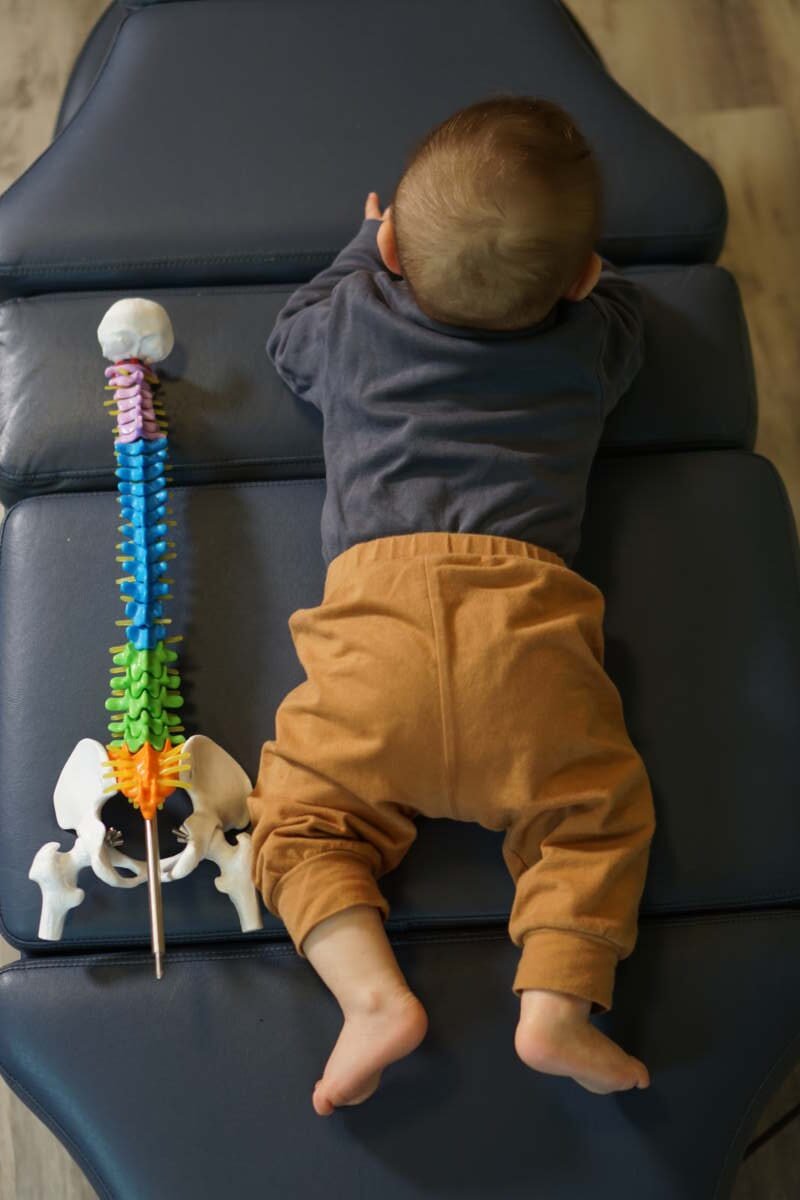
Personalized care in musculoskeletal treatment plans works by analyzing your unique biomechanics, injury history, pain patterns, and functional goals to design targeted interventions that address root causes rather than symptoms alone. Through comprehensive assessment protocols, clinicians map movement dysfunction, muscle imbalances, and tissue restrictions to create adaptive treatment sequences combining manual therapy, corrective exercises, and progressive rehabilitation stages calibrated to your body’s healing timeline and performance demands.
The Initial Assessment: Mapping Your Biomechanical Blueprint
Every effective personalized musculoskeletal therapy journey starts with a thorough understanding of where you are right now. Think of it like a detective investigation clinicians gather clues from your movement patterns, discomfort reports, and physical limitations to construct a complete picture of your musculoskeletal health. This initial mapping phase typically takes longer than a standard office visit, but the investment pays dividends throughout your entire recovery process.
During this comprehensive intake, practitioners evaluate how your joints move through their full range of motion, identify asymmetries between your left and right sides, and pinpoint exactly where your movement quality breaks down under load. Static posture tells part of the story, but dynamic movement screening reveals the functional deficits that contribute to pain and injury risk. conditions requiring personalized rehab plans often present with subtle compensations that only become visible when you’re asked to squat, lunge, or perform sport-specific movements.
The assessment isn’t just about finding what hurts it’s about understanding why it hurts and what contributing factors exist elsewhere in your kinetic chain. A knee issue might originate from poor hip stability. Shoulder pain could stem from thoracic spine stiffness. This interconnected perspective distinguishes individualized musculoskeletal therapy from symptom-chasing approaches that provide temporary relief without lasting solutions.

- Comprehensive health history review including previous injuries and surgeries
- Static posture analysis examining spinal curves, shoulder position, and pelvic alignment
- Dynamic movement screening assessing squat patterns, single-leg balance, and functional reach
- Orthopedic testing to isolate specific tissue involvement and injury classification
- Range of motion measurements comparing active and passive joint mobility
- Strength and flexibility testing to identify muscle imbalances and weak links
Why Generic Protocols Fail Most Musculoskeletal Patients [2026 Data]
Standardized treatment protocols have dominated musculoskeletal care for decades, but research continues to expose their limitations. When everyone with lower back pain receives the same generic exercise handout, outcomes suffer because the approach ignores the reality that two people with identical symptoms might have completely different underlying causes. One patient’s back pain might stem from a herniated disc irritating a nerve root, while another’s originates from facet joint dysfunction or sacroiliac instability.
common mistakes without personalized rehab include assuming that symptom location alone dictates treatment. This reductionist thinking leads to high recurrence rates and frustrated patients who cycle through temporary fixes without ever addressing why their pain keeps returning. Evidence from clinical outcome studies demonstrates that customized chiropractic treatment approaches consistently outperform one-size-fits-all protocols across multiple musculoskeletal conditions.
The problem intensifies when you consider that generic protocols often fail to account for individual factors like tissue healing timelines, activity demands, psychological readiness, and previous treatment responses. A competitive athlete and a sedentary office worker with the same diagnosed condition require fundamentally different rehabilitation strategies the athlete needs higher-load exercises that prepare tissues for sport-specific demands, while the office worker might benefit more from postural correction and movement pattern retraining.
| Outcome Measure | Personalized Treatment | Generic Protocol |
|---|---|---|
| Pain Reduction at 4 Weeks | Significant improvement | Modest improvement |
| Functional Recovery Time | Shorter duration | Longer duration |
| Recurrence Rate at 6 Months | Lower percentage | Higher percentage |
| Patient Satisfaction Scores | Higher ratings | Moderate ratings |
| Treatment Adherence | Strong compliance | Variable compliance |
Quick Answer: The Five-Stage Personalized Treatment Framework
Understanding how personalized care transforms musculoskeletal outcomes becomes clearer when you break down the process into distinct stages. Each phase builds upon the previous one, creating a logical progression from initial evaluation to full functional restoration. customized injury rehab programs follow this structured approach while remaining flexible enough to adapt as your condition evolves.
- Comprehensive Assessment: Detailed evaluation of your biomechanics, symptoms, and functional limitations to establish baseline measurements and identify treatment targets.
- Differential Diagnosis: Clinical reasoning process that narrows potential causes and determines which tissues require intervention and in what order.
- Intervention Design: Creation of your tailored rehab protocol combining manual therapy, corrective exercises, and lifestyle modifications specific to your presentation.
- Treatment Execution: Hands-on care delivery with continuous monitoring of tissue response and symptom changes throughout each session.
- Progression Monitoring: Regular reassessment to measure improvement, modify interventions, and advance exercises as your healing progresses.
How Chiropractors Customize Adjustments Based on Tissue Response
The art of chiropractic adjustment lies not in the technique itself but in the clinical reasoning that determines which approach will benefit each patient most. chiropractic care for musculoskeletal pain involves much more than applying the same force to the same segment every visit. Experienced practitioners read tissue resistance, assess joint play characteristics, and evaluate how surrounding muscles respond before selecting their intervention.
When a joint exhibits acute inflammation with significant swelling and heat, aggressive manipulation might exacerbate the condition rather than help it. In these scenarios, gentle mobilization techniques or soft tissue approaches become the preferred entry point until inflammation settles. Conversely, joints with chronic restrictions and fibrotic changes often require more specific, higher-velocity inputs to initiate movement improvement. This force modulation represents a key component of precision injury rehabilitation.
Technique selection also depends on patient comfort, previous treatment responses, and individual anatomical variations. What feels transformative for one patient might cause discomfort for another. Skilled chiropractors continuously gather feedback during treatment, adjusting their approach in real-time based on how your body responds. Some patients benefit from drop-table techniques that reduce the force perception, while others respond better to instrument-assisted adjusting that delivers controlled impulses without the audible joint sounds some find unsettling.
The goal isn’t just to make a joint “pop” it’s to restore proper motion, reduce neurological irritation, and create an environment where tissues can heal. This requires understanding that adjusting techniques exist on a spectrum, and the best approach depends entirely on what your examination reveals about your specific condition.
Progressive Exercise Prescription: Matching Load to Healing Phase
Exercise prescription in evidence-based personalized treatment isn’t about handing out generic exercises from a photocopied sheet. It’s about carefully matching the demands you place on healing tissues to their current capacity, then progressively increasing those demands as adaptation occurs. rehab exercises for faster recovery succeed because they respect biological healing timelines while creating just enough stress to stimulate positive change.
During the acute phase immediately following injury, your body’s priority is protecting the damaged area. Pain levels are high, inflammation is peaking, and tissue integrity is compromised. Exercise at this stage focuses on gentle mobility within pain-free ranges, isometric holds that maintain neuromuscular connection without stressing healing structures, and breathing techniques that help regulate your nervous system’s pain response. Push too hard too early, and you risk prolonging inflammation or causing secondary tissue damage.
As you transition into the subacute phase, pain settles to manageable levels, and healing tissues begin laying down new collagen. This represents the critical window for introducing controlled loading that guides proper tissue organization. Exercises become more challenging, incorporating resistance bands, light weights, and movements that begin approximating your eventual functional demands. The key is staying within therapeutic windows enough load to stimulate adaptation, not so much that you trigger setbacks.
- Tissue Tolerance Testing: Assess what loads produce symptoms versus what loads feel manageable before prescribing exercise intensity.
- Progressive Overload: Systematically increase resistance, range, or complexity only when current levels feel consistently manageable.
- Recovery Integration: Schedule appropriate rest between sessions to allow tissue adaptation and prevent overtraining.
- Symptom Monitoring: Track post-exercise responses to identify thresholds and adjust dosing accordingly.
- Functional Transfer: Progress exercises toward movements that mirror your actual daily activities and sport demands.
Integrating Soft Tissue Therapy Into Your Personalized Protocol
Musculoskeletal dysfunction rarely exists in isolated joints alone. Muscles, fascia, ligaments, and tendons all contribute to movement limitations and pain presentations. personalized assisted stretching therapy addresses these soft tissue components alongside joint-based interventions, creating comprehensive treatment that tackles restrictions from multiple angles.
Myofascial release techniques target the connective tissue network that surrounds and penetrates every muscle group. When fascia becomes restricted due to injury, poor posture, or repetitive stress, it creates tension patterns that pull joints out of optimal alignment and restrict movement range. Skilled manual therapy can restore fascial mobility, reducing mechanical stress on painful structures and improving overall movement quality.
Instrument-assisted soft tissue mobilization offers another tool for addressing stubborn restrictions. These techniques use specially designed instruments to detect and treat areas of fibrosis or chronic tissue change. The controlled microtrauma they create stimulates local healing responses, encouraging tissue remodeling in areas that have become stuck in dysfunctional patterns.
Trigger point therapy addresses the localized areas of muscle fiber contraction that can refer pain to distant locations. These “knots” often develop as protective responses to joint dysfunction or chronic postural stress. By deactivating trigger points through sustained pressure or specific needling techniques, practitioners reduce both local discomfort and the referred symptoms that complicate pain presentations.
How to Track Treatment Response and Adjust Your Plan [Study]
Effective personalized care requires more than just delivering treatment it demands ongoing measurement of whether that treatment actually works for you as an individual. recovering from injuries with chiropractic care involves continuous feedback loops where objective outcome measures guide clinical decision-making rather than arbitrary timeframes or protocol-driven assumptions.
Validated outcome measures like the Numeric Pain Rating Scale, Oswestry Disability Index, and Patient-Specific Functional Scale provide quantifiable data about your progress. These tools track not just how much pain you experience, but how that pain impacts your daily activities, sleep quality, and overall function. When clinicians measure outcomes systematically, they identify stalled progress early and modify interventions before frustrated patients abandon treatment altogether.
Physical examination findings also contribute to progress tracking. Range of motion measurements, strength testing, and special orthopedic tests provide objective markers that complement your subjective reports. A patient might subjectively feel “about the same,” but demonstrate measurably improved mobility or strength on testing. Conversely, someone might report feeling “much better” while still showing significant functional deficits that require continued attention.
When progress plateaus, adaptive recovery programs shift focus. Perhaps manual therapy has maximized its benefit, and increased exercise emphasis becomes appropriate. Maybe load tolerance has plateaued because underlying movement patterns haven’t been addressed. Or possibly psychosocial factors like sleep quality, stress levels, or fear-avoidance beliefs are limiting further improvement. Skilled clinicians recognize these scenarios and adjust approaches accordingly.
| Condition Type | Initial Reassessment | Progress Reviews | Discharge Planning |
|---|---|---|---|
| Acute Injury | 1-2 weeks | Weekly to biweekly | 4-6 weeks |
| Subacute/Chronic | 2-3 weeks | Biweekly to monthly | 8-12 weeks |
| Post-Surgical | Per protocol guidelines | Monthly with imaging | Varies by procedure |
| Performance/Prevention | Monthly | Quarterly | Ongoing maintenance |
Key Takeaways: Implementing Personalized Musculoskeletal Care
Personalized care fundamentally changes the relationship between patient and practitioner. Instead of receiving passive treatment applied identically to every case, you become an active participant in a collaborative process designed around your unique presentation, goals, and circumstances. personalized stretching for flexibility demonstrates this shift prescription is based on your specific restrictions rather than generic flexibility routines.
This shift also means accepting greater responsibility for your outcomes. Personalized approaches work best when patients engage actively with their home exercise programs, report honestly about their responses to treatment, and commit to the lifestyle modifications that support lasting improvement. The clinician provides expertise, guidance, and hands-on care, but sustainable results depend on consistent effort beyond the treatment room.
- Comprehensive assessment establishes the foundation for all subsequent treatment decisions.
- Generic protocols frequently fail because they ignore individual variation in presentation and healing capacity.
- Adjustment techniques must match tissue state, patient comfort, and individual anatomical considerations.
- Exercise prescription requires careful load management aligned with healing phases.
- Soft tissue therapy addresses fascial and muscular components that joint-only approaches miss.
- Outcome measurement drives clinical decision-making rather than arbitrary timelines.
- Patient participation and home program compliance significantly influence treatment success.
Frequently Asked Questions About Personalized Musculoskeletal Treatment
What is how does personalized care work in musculoskeletal treatment plans?
how does personalized care work in musculoskeletal treatment plans is an important topic worth understanding in depth. Getting familiar with the fundamentals helps you achieve better results and avoid common pitfalls.
How does how does personalized care work in musculoskeletal treatment plans work?
how does personalized care work in musculoskeletal treatment plans works by following a structured approach. Start with the core basics, then build your knowledge progressively consistency is key to seeing real results.
Patients considering personalized musculoskeletal care often have questions about what to expect, how long treatment takes, and whether the investment yields meaningful returns. Here are answers to the most common questions that arise during initial consultations.
- Is personalized care more expensive than standard treatment? No, personalization typically reduces overall costs. While individual sessions may involve more comprehensive assessment, benefits of personalized assisted stretching and customized care include faster recovery, fewer total visits, and lower recurrence rates that save money long-term. Patients often discover that investing in thorough initial evaluation prevents months of ineffective trial-and-error treatment.
- How many sessions will I need before seeing results? Most patients notice improvement within 4-6 sessions. Acute conditions often respond faster, sometimes showing meaningful change within 1-3 visits. Chronic or complex presentations may require longer treatment courses, but clear progress markers should be evident by the first reassessment. Your clinician should explain expected timelines based on your specific condition severity.
- Will I need to do exercises at home? Yes, home exercise compliance significantly impacts outcomes. Research consistently shows that patients who complete prescribed home programs achieve better results than those relying solely on in-clinic treatment. Exercises typically require 15-20 minutes daily and progress in complexity as your condition improves.
- Can personalized care help prevent future injuries? Patient-specific care plans excel at identifying and addressing injury risk factors. By correcting movement dysfunction, improving tissue capacity, and teaching proper movement mechanics before problems develop, personalized approaches reduce injury likelihood. Many athletes and active individuals use periodic check-ups to maintain optimal function.
- How do I know if my treatment plan is actually personalized? Your plan should feel clearly tailored to your specific presentation. Ask your clinician to explain how your exercises were selected, why specific techniques are used, and what factors determine progression. If you receive generic handouts without explanation or identical treatment every visit, your care may not be truly personalized.
- Is personalized treatment appropriate for all ages? Yes, personalized approaches adapt effectively across the lifespan. Pediatric patients, working adults, and older individuals all benefit from treatment calibrated to their developmental stage, activity level, and health status. Techniques and exercise dosing simply adjust to match each person’s capacity and goals.