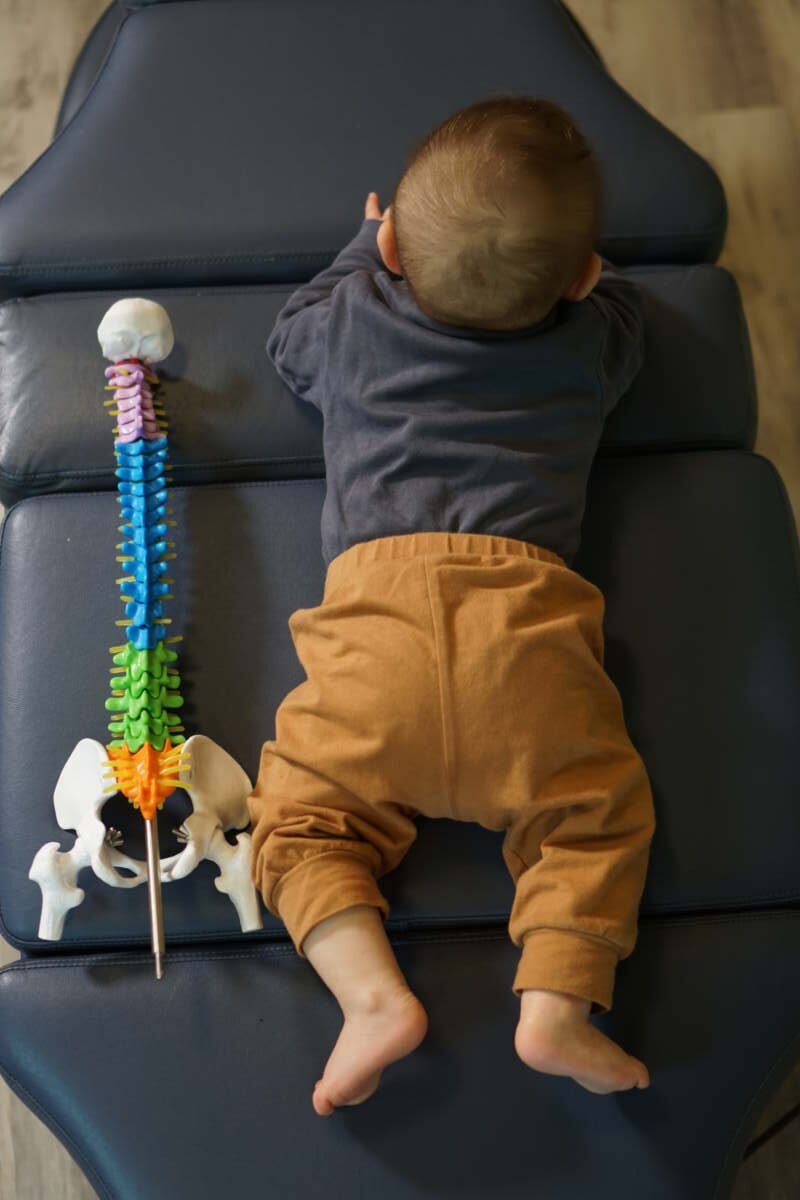
Yes, chiropractic care is widely recognized as a legitimate form of rehabilitation, particularly for musculoskeletal conditions. Modern chiropractic practice extends far beyond spinal adjustments, incorporating corrective exercises, soft tissue therapy, movement retraining, and functional restoration protocols. Evidence-based chiropractors work within multidisciplinary rehabilitation teams to restore mobility, reduce pain, and optimize recovery from injuries, making chiropractic care an integral component of comprehensive rehabilitation programs for athletes, active individuals, and those recovering from chronic pain conditions.
Quick Answer: Chiropractic Care as Rehabilitation [2026 Data]
The question “is chiropractic care considered rehabilitation?” can be answered definitively. Chiropractic rehabilitation focuses on restoring function and preventing future injury, not just relieving immediate symptoms. Traditional symptom relief might involve a quick adjustment to ease discomfort, but true rehabilitative care addresses the underlying cause of dysfunction through a structured, multi-modal approach.
In 2026, the distinction between symptom management and functional restoration has become the standard of care. Modern chiropractors don’t simply “crack backs.” They assess movement patterns, identify weaknesses, and create comprehensive treatment plans that mirror physical therapy protocols while maintaining the unique benefits of chiropractic adjustment.
This integration into mainstream recovery teams is now widely documented in medical literature. According to a 2026 commentary in Global Health Innovation highlighted by Springer, chiropractors contribute meaningfully to rehabilitation teams due to their expertise in musculoskeletal diagnosis and manual therapy, emphasizing that their role extends well beyond pain relief to functional recovery.

How Chiropractic Rehabilitation Differs From Traditional Adjustments
Many people associate chiropractic care solely with spinal adjustments the hands-on manipulation that produces that satisfying “pop.” While adjustments remain a cornerstone of treatment, chiropractic rehabilitation therapy incorporates a much broader toolkit. An adjustment might realign a joint, but without addressing the surrounding musculature and movement habits, the problem often returns.
Rehabilitation-focused chiropractors look at the whole picture. If your shoulder hurts, they don’t just adjust your thoracic spine. They assess your posture, test your rotator cuff strength, evaluate your scapular stability, and analyze how you move during daily activities. This comprehensive view defines musculoskeletal rehabilitation.
Soft tissue work plays a massive role here. Techniques like myofascial release, instrument-assisted soft tissue mobilization, and trigger point therapy address muscle adhesions and scar tissue that adjustments alone can’t touch. When combined with therapeutic exercise chiropractic protocols, these modalities create lasting change rather than temporary relief.
| Aspect | Adjustment-Focused Care | Rehabilitation-Focused Chiropractic |
|---|---|---|
| Primary Goal | Immediate pain relief | Functional restoration and prevention |
| Treatment Duration | Short-term (1-6 visits) | Structured program (6-12+ weeks) |
| Modalities Used | Spinal adjustments primarily | Adjustments, soft tissue therapy, corrective exercise |
| Patient Involvement | Passive (patient receives care) | Active (patient performs exercises, movement retraining) |
| Outcome Focus | Symptom reduction | Return to activity, performance optimization |
The difference matters. If you’re seeking chiropractic injury recovery protocols, understanding this distinction helps you choose a provider who offers comprehensive rehabilitative care rather than quick-fix adjustments. Evidence-based clinics prioritize measurable outcomes improved range of motion, strength gains, and return to function over indefinite maintenance visits.

Evidence-Based Components of Chiropractic Rehabilitation Programs
What exactly happens in a chiropractic rehabilitation session? Evidence-based programs draw from multiple therapeutic disciplines, creating a hybrid approach that maximizes recovery potential. Each component addresses a specific aspect of your injury or dysfunction.
Recent data confirms the effectiveness of this multi-modal approach. According to statistics compiled by Zipdo, chiropractic care is increasingly recognized as a valuable component of rehabilitation, particularly for musculoskeletal conditions, with growing integration into mainstream healthcare settings.
The following elements typically comprise a comprehensive physical rehabilitation chiropractor program:
- Chiropractic Adjustments: Manual or instrument-assisted joint manipulation to restore proper alignment and joint mobility, reducing nerve interference and improving range of motion.
- Soft Tissue Therapy: Techniques like Active Release Technique (ART), Graston, and myofascial release to break down scar tissue and adhesions in muscles, tendons, and ligaments.
- Corrective Exercise Prescription: Targeted strengthening and stretching programs designed to address muscle imbalances, improve stability, and support proper movement patterns.
- Neuromuscular Re-education: Movement retraining that helps patients relearn proper motor patterns, essential after injury or in chronic pain conditions.
- Therapeutic Modalities: Tools like therapeutic ultrasound, electrical stimulation, and low-level laser therapy to reduce inflammation and accelerate tissue healing.
- Lifestyle and Ergonomic Education: Guidance on posture, workstation setup, sleep positions, and daily habits that support recovery and prevent re-injury.
Corrective exercise forms the bridge between passive treatment and active recovery. While adjustments restore joint function, exercises ensure that the improved mobility translates into lasting movement quality. This integration is why stretching therapy complements chiropractic treatments so effectively flexibility work supports the gains made through manipulation.
Functional restoration becomes the ultimate goal. Rather than simply getting you out of pain, rehabilitation-focused chiropractors want you moving better than before your injury. This might mean improved squat depth for a weightlifter, better running mechanics for a marathoner, or simply pain-free sitting for an office worker.
Conditions Treated Through Chiropractic Rehabilitation
Virtually any musculoskeletal condition can benefit from chiropractic rehabilitation. The common thread: dysfunction in the body’s movement system joints, muscles, nerves, and connective tissue working together. When one element falters, the entire system compensates, often leading to pain and further injury.
Sports injuries represent a significant portion of chiropractic rehabilitation cases. Athletes push their bodies to the limit, creating repetitive stress, acute trauma, and overuse patterns that require targeted intervention. But sports injuries aren’t the only concern everyday activities create their own dysfunction patterns.
- Lower Back Pain: From acute disc injuries to chronic degenerative conditions, lumbar spine issues respond well to combined adjustment and rehabilitation protocols.
- Neck Pain and Whiplash: Cervical injuries from car accidents, tech neck, and poor posture benefit from gentle mobilization, soft tissue work, and strengthening.
- Rotator Cuff Injuries: Shoulder impingement, tendinitis, and post-surgical rehabilitation integrate shoulder adjustments with rotator cuff strengthening.
- Knee Pain: Patellofemoral syndrome, meniscus injuries, and post-ACL reconstruction recovery all benefit from hip and knee-focused rehabilitation.
- Sciatica and Disc Herniations: Nerve-related pain requires careful movement modification, decompression techniques, and core stabilization.
- Repetitive Strain Injuries: Carpal tunnel, tennis elbow, and golfer’s elbow respond to soft tissue work and activity modification.
- Post-Surgical Rehabilitation: Co-management with orthopedic surgeons ensures safe, progressive recovery following joint surgeries or spinal procedures.
Work-related injuries particularly those from repetitive motion, heavy lifting, or prolonged sitting respond exceptionally well to chiropractic care for musculoskeletal pain. Office workers frequently develop upper crossed syndrome (forward head posture, rounded shoulders, chin poking), while manual laborers face lower back strain and repetitive arm injuries.
The key difference between chiropractic rehabilitation and traditional medical management lies in the conservative, movement-based approach. Many patients explore these non-surgical options before considering invasive procedures, finding significant relief through combined manual therapy and corrective exercise.
How Chiropractic Rehabilitation Integrates With Multidisciplinary Care
Modern healthcare rarely operates in silos. The most effective rehabilitation happens when providers collaborate, each contributing their specialized expertise to a unified treatment plan. Chiropractors increasingly serve as key players in these multidisciplinary teams, working alongside physical therapists, sports medicine physicians, orthopedists, and primary care doctors.
This collaboration benefits patients through comprehensive care that addresses every aspect of their condition. A chiropractor might provide spinal adjustments and soft tissue work while a physical therapist leads therapeutic exercise sessions. Sports medicine physicians can offer diagnostic imaging and medical management, creating a seamless care continuum.
Communication among providers ensures no element of recovery gets overlooked. Weekly team discussions, shared progress notes, and coordinated treatment goals characterize effective movement rehabilitation programs in 2026.
Specialized techniques often bridge disciplines. FAKTR chiropractic therapy for mobility represents one such integrated approach, combining instrument-assisted soft tissue mobilization with functional movement patterns for accelerated recovery.
| Provider Type | Primary Role in Rehabilitation | Integration Point |
|---|---|---|
| Chiropractor | Joint manipulation, soft tissue therapy, movement assessment | Restores joint function, addresses soft tissue restrictions |
| Physical Therapist | Exercise prescription, neuromuscular re-education, modalities | Progressive strengthening, movement pattern training |
| Sports Medicine MD | Diagnosis, imaging, medical management, injections | Diagnostic clarification, pain management |
| Massage Therapist | Relaxation massage, deep tissue work | Stress reduction, soft tissue maintenance |
Step-by-Step: What to Expect in a Chiropractic Rehabilitation Program
Entering any rehabilitation program can feel uncertain. Knowing the typical progression helps patients understand that recovery follows a logical, evidence-based path. Here’s the standard phased approach:
- Comprehensive Assessment: Your first visit includes a detailed history, physical examination, functional movement screening, and discussion of specific goals. The chiropractor identifies not just where it hurts, but why it hurts.
- Acute Phase Management: Initial treatment focuses on pain reduction, inflammation control, and gentle mobility work. Frequent visits (2-3 times weekly) characterize this phase as your body begins healing.
- Corrective Phase: As pain subsides, treatment shifts toward addressing underlying dysfunction. This includes more aggressive soft tissue work, progressive exercise introduction, and movement retraining.
- Strengthening Phase: Exercises intensify. You’ll perform therapeutic drills in-office and receive a comprehensive home exercise program. Visit frequency decreases as you gain independence.
- Discharge and Maintenance: Once functional goals are met, formal treatment ends. Many patients choose periodic maintenance visits, but the goal is independence empowering you to manage your own musculoskeletal health.
For more details on the patient journey, what to expect from chiropractic care provides additional insight into the initial consultation and treatment experience.
This phased approach mirrors what you’d experience in physical therapy, but with the added benefit of chiropractic adjustment expertise. The combination often accelerates recovery compared to either approach alone.
Why Athletes and Active Individuals Choose Chiropractic for Rehabilitation
Athletes face unique challenges. Time away from training means lost conditioning, missed competitions, and psychological frustration. Chiropractic rehabilitation offers several advantages that appeal to the athletic population eager to return to play quickly and safely.
First, the non-invasive nature of chiropractic care means no surgical recovery time, no medication side effects, and minimal disruption to training schedules in many cases. Athletes can often maintain conditioning in other areas while rehabilitating an injury.
Second, performance optimization extends beyond injury treatment. Many athletes continue chiropractic care because they notice improved movement quality, faster recovery between training sessions, and reduced injury risk. spinal decompression versus chiropractic treatment presents one area where athletes often find chiropractic approaches preferable to more passive interventions.
Third, sport-specific rehabilitation targets the exact movements an athlete needs. A baseball pitcher’s shoulder program differs from a CrossFit athlete’s knee protocol. Evidence-based chiropractors design rehabilitation around the demands of your specific sport or activity.
[youtube_video]
The psychological component matters too. Athletes accustomed to pushing through pain benefit from guidance on listening to their bodies knowing when to push, modify, or rest. This education prevents the boom-bust cycle of returning too quickly, re-injuring, and starting over.
Key Takeaways: Chiropractic Care in Rehabilitation
Understanding chiropractic care’s role in rehabilitation empowers informed healthcare decisions. The modern chiropractic landscape bears little resemblance to the adjustment-only practices of previous decades.
- Legitimate rehabilitation: Chiropractic care is recognized as valid rehabilitative care for musculoskeletal conditions, integrating with mainstream healthcare teams.
- Multi-modal approach: Effective programs combine adjustments, soft tissue therapy, corrective exercise, and patient education not manipulation alone.
- Evidence-based practice: Current chiropractic rehabilitation relies on clinical research and outcome measures, moving beyond outdated models.
- Athlete-appropriate: Sports injury recovery chiropractic offers non-invasive, performance-focused rehabilitation that gets athletes back to training.
- Preventive focus: True rehabilitation aims to prevent re-injury through posture and ergonomics resources, movement retraining, and lifestyle modification.
The bottom line: if you’re seeking rehabilitation for a musculoskeletal condition, chiropractic care deserves consideration alongside physical therapy and other conservative options. The most effective approach often involves integrated, multidisciplinary care tailored to your specific condition, goals, and lifestyle.
FAQ: Is Chiropractic Care Considered Rehabilitation?
Is chiropractic care covered by insurance when used for rehabilitation?
Yes, most insurance plans cover chiropractic rehabilitation. Many policies include chiropractic benefits for medically necessary treatment of musculoskeletal conditions. Coverage typically allows 12-24 visits annually, though specifics vary by plan and diagnosis. Check your policy details, as rehabilitation-focused care often requires documentation of functional improvement goals.
How long does chiropractic rehabilitation take compared to physical therapy?
Duration is comparable typically 6-12 weeks for most conditions. Both approaches follow similar recovery timelines when addressing comparable injuries. Treatment frequency initially ranges from 2-3 visits weekly, tapering as function improves. Severe or chronic conditions may require longer intervention, while acute injuries might resolve in fewer sessions.
Can chiropractors provide rehabilitation after surgery?
Yes, with appropriate surgical clearance. Chiropractors commonly co-manage post-surgical rehabilitation, particularly following orthopedic procedures like rotator cuff repair, lumbar microdiscectomy, or total joint replacement. Treatment timing and techniques are coordinated with the surgeon’s protocols to ensure safe, progressive recovery.
What’s the difference between chiropractic rehabilitation and physical therapy?
Both overlap significantly, but chiropractic emphasizes manual therapy and joint function. Physical therapy focuses heavily on therapeutic exercise and modalities, while chiropractic rehabilitation adds joint manipulation expertise. Many patients benefit from both concurrently chiropractic adjustments complement PT exercise programs for comprehensive care.
Is chiropractic rehabilitation effective for chronic pain conditions?
Yes, particularly for chronic musculoskeletal pain. Research supports chiropractic care for chronic lower back pain, neck pain, and headache management. The rehabilitative approach addresses underlying dysfunction rather than simply masking pain, potentially breaking the cycle of chronic pain through movement modification and functional restoration.
Can I receive chiropractic rehabilitation while pregnant?
Yes, chiropractic rehabilitation is safe during pregnancy with proper technique modifications. Many chiropractors specialize in prenatal care, using pregnancy-specific tables and avoiding positions that strain the growing uterus. Treatment addresses pregnancy-related back pain, pelvic girdle dysfunction, and postural changes while accommodating physical limitations throughout each trimester.