Movement is essential to the routine, recreation and health. One-on-one assisted stretching as a method of enhancing flexibility is a specific solution to enhancing the range of motion and minimizing the chance of injury. Assisted sessions are the best because they are properly aligned, controlled movements and also individualized since, unlike self-stretching. The blog will discuss the advantages of assisted stretching, point out practical methods and explain why a session guided by a professional will help you improve your flexibility and physical performance.
What Is One on One Assisted Stretching?
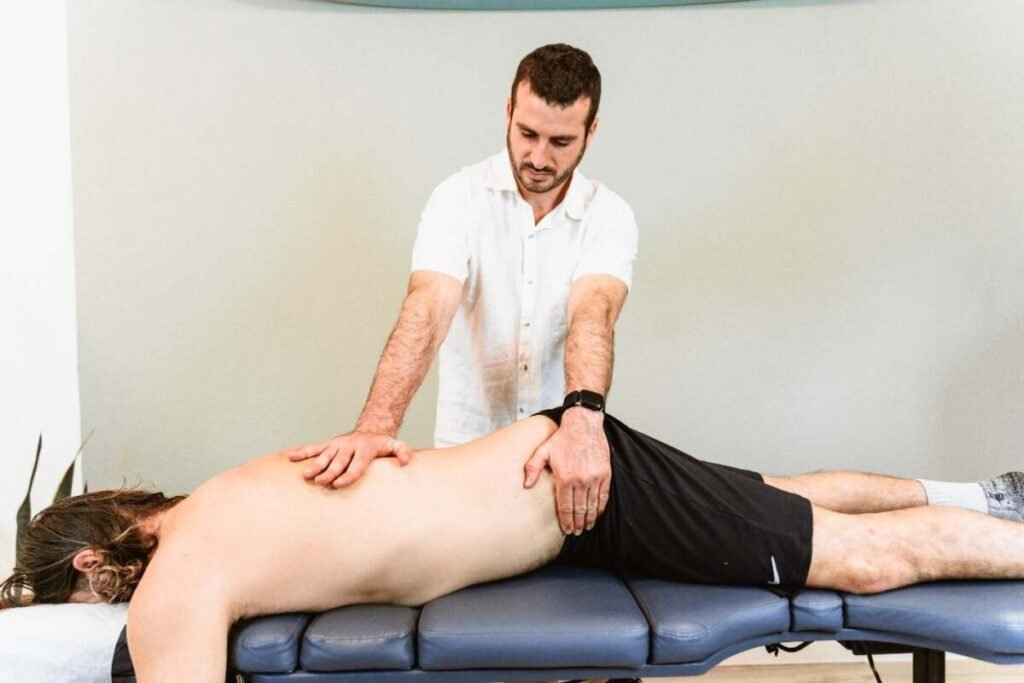
Assisted stretching is a healing method in which a trained medical professional guides your body to specific stretches.
- Targets specific muscle groups
- Enhances joint mobility
- Reduces muscle tension
- Supports injury prevention
In contrast to isolated cases of static stretching, assisted stretching will enable one to stretch more without excessive strain. Professional advice gives safety and optimal outcomes, especially to people who have mobility restrictions or other active lifestyles.
Benefits of Assisted Stretching
Increased Flexibility
Personalized guidance helps your muscles relax and extend more efficiently. One on one assisted stretching for flexibility allows gradual improvements, making everyday movements easier and safer.
Enhanced Range of Motion
Assisted stretches are done around joints and connective tissues which tend to restrict movement. Professionals are capable of adjusting angles and maintaining positions without the same effort that you would have and they aid in greater movement of such practices as sports, lifting, or even desk work.
Injury Prevention
Stretching of weak spots and relieving of tight muscles are done specifically. This will minimize the risks of strain, sprain or postural imbalance, particularly to an athlete or one with routines that are physically demanding.
Pain Relief and Recovery
The common causes of discomfort include tension and stiffness. Assisted stretching assists the blood circulation and enhances the relaxation of the muscles which aid in recovering after exercises, chronic pains or sitting too much.
Techniques Commonly Used in Assisted Stretching
Assisted stretching sessions can include:
- PNF Stretching (Proprioceptive Neuromuscular Facilitation): Table back and forth to get even greater flexibility.
- Dynamic Assisted Stretches: Engage the motion in the entire range of a joint.
- Static Assisted Stretches: Muscles are lightly stretched in a long stance over a few seconds in order to become longer, more flexible.
The professional will also observe the alignment in sessions and keep you safe by changing the intensity depending on your present mobility.
Integrating Assisted Stretching into Your Daily Routine
Assisted stretching is something you should practice every day to increase the long-term effects of the process. Joint mobility and muscle flexibility can be sustained even with brief sessions, prior to or following physical activity. The joint sessions of the professional sessions and brief resting periods spent at home or mobility exercises will be a gradual advancement process in the same manner, reducing the degree of stiffness caused by a lot of sitting or monotonous movements.
Long-Term Benefits of Professional Guidance
When one works with a trained professional, the implements of the stretches is done safely and efficiently, which will reduce the chances of being injured. In the long term, regular one on one assisted stretching to enhance flexibility will help to improve posture, enhance functional movement and promote total physical performance. This is a useful piece of professional advice, especially to athletes, older people, or anyone undergoing recovery following an injury, since the achievement of mobility should be safe and sustainable.
Practical Tips for Maximizing Your Mobility
To get the most out of assisted stretching:
- Consistency is Key: Schedule regular sessions to gradually improve flexibility.
- Warm-Up Before Stretching: Light cardio or mobility exercises enhance results.
- Communicate with Your Professional: Share discomfort or pain to ensure safe adjustments.
- Incorporate Recovery Practices: Hydration, foam rolling, and rest complement stretching benefits.
These practices not only improve mobility but also support long-term joint health and muscular balance.
Local Insights: Why Wayanad Is Ideal for Stretching Activities
If you’re in Wayanad or planning a visit, assisted stretching can complement outdoor activities common in the region:
- Trekking and Hiking: Stretching enhances endurance and prevents strains during trail walks.
- Cycling and Adventure Sports: Improved joint mobility increases efficiency and reduces injury risk.
- Yoga Retreats: Combining assisted stretching with yoga can deepen flexibility and relaxation.
This kind of activity, coupled with professional-guided stretching, is a guarantee that you will enjoy the landscape of Wayanad safely and comfortably.
Conclusion
Flexibility One on one assisted stretching has measurable benefits on mobility, joint health and wellbeing. It enhances the activities of daily life and the activation of lifestyles by correcting the muscles and joints. All of the assisted sessions, along with the standard self-care, warm-ups and recovery exercises, are to be combined in order to produce the best results.
To find out professional advice regarding the stretching methods that suit your needs, visit The ChiropractOrr now. What would be the way a tailored stretching session would be incorporated into your weekly routine of wellness?
FAQs
How often should I do one on one assisted stretching for flexibility?
Most individuals benefit from 1–2 sessions per week, gradually increasing frequency based on mobility goals.
Can assisted stretching help with chronic pain?
Yes. Targeted stretches improve blood flow, reduce tension, and support pain relief when performed correctly.
Is assisted stretching suitable for beginners?
Absolutely. Professionals adjust intensity and technique to match your current flexibility and comfort level.
How long does a typical assisted stretching session last?
Sessions generally last 30–60 minutes, depending on individual goals and targeted muscle groups.