Individual stretching is a progressive method of flexibility which will customize the positions to your body, position and everyday demands. This process is unlike the generic stretching routines in which the emphasis is on the joint motions, their limited movements, and which muscles must be given special attention. This blog describes the nature of personalized stretching, the mechanism, and reasons why it is important in enhancing flexibility, mobility, and the overall quality of movement. When you exercise, your daily activities, stiffness, limited range of movement, and frequent tension are involved; knowing about personalized stretching will allow you to make decisions informed decisions in the context of your care.
What Is Personalized Stretching?
Personalized stretching is a technique of directed flexibility, which is structured around your unique pattern of movement as opposed to an all-purpose routine.
- Joint mobility restrictions
- Muscle imbalances
- Injury history
- Work posture and activity level
- Movement goals
The length of every stretch depends on the functionality of your body. This method will make sure that the correct muscles are stretched without stressing the weak joints or compensatory zones.
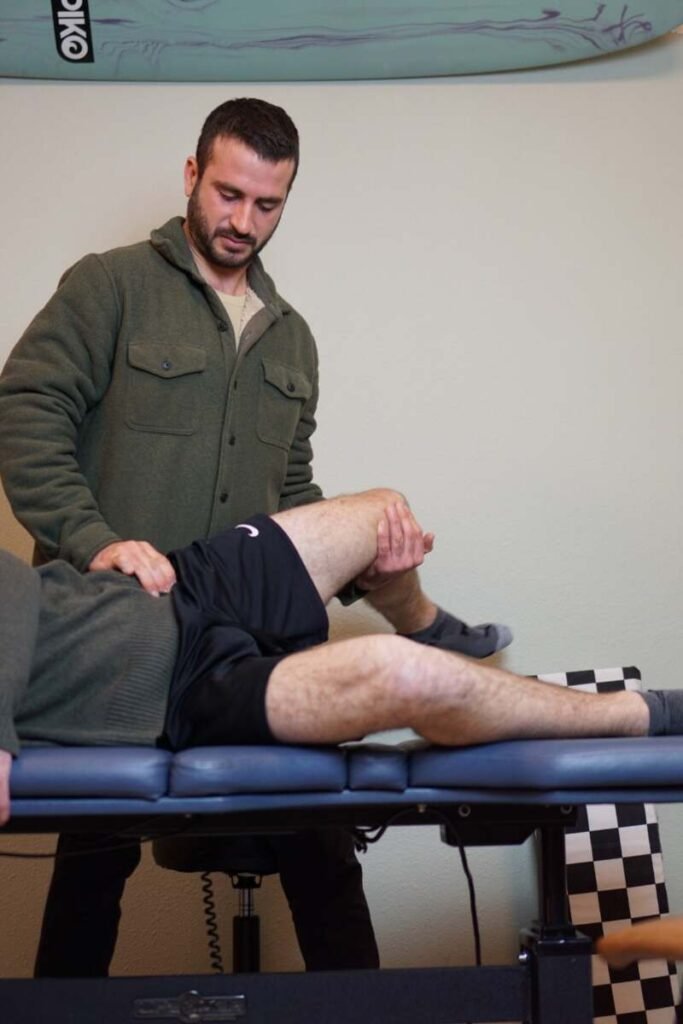
Contrary to self-guided stretching, personalized sessions may include assisted methods when a trained professional assists in the control of range, direction and pressure to obtain better outcomes.
How Personalized Stretching Differs from General Stretching
Generic Stretching
- Same stretches for everyone
- Often unsupervised
- Limited progress over time
- Higher risk of overstretching
Personalized Stretching
- Customized to your body mechanics
- Guided and adjusted in real time
- Targets root causes of stiffness
- Safer and more efficient
This tailored approach supports Personalized stretching for improved flexibility by addressing specific movement limitations rather than surface-level tightness.
How Personalized Stretching Improves Flexibility
Flexibility is enhanced as muscles, tendons and connective tissues safely adapt as time goes by. This process is supplemented by personalized stretching due to its accuracy and regularity.
Targets Restricted Areas Directly
Rather than straining muscles that are already good movers, customized programs concentrate on tight or inactive ones. This promotes quicker and more prominent changes.
Improves Joint Range of Motion
Flexibility does not refer only to muscles. Customised stretching goes around joints to enhance the capacity of movement without imposing positions that lead to discomfort.
Reduces Muscle Guarding
Stretches that are regulated and made deliberate lead to relaxation of the nervous system. This enables muscles to stretch themselves freely rather than oppose motion.
Supports Long-Term Mobility
There is a loss of short-term flexibility benefits when there is no change in movement habits. Individual stretching incorporates corrective movements that aid in continuing results.
Who Benefits Most from Personalized Stretching?
Personalized stretching is useful for a wide range of individuals, especially those experiencing:
- Neck and lower back stiffness
- Limited hip or shoulder mobility
- Desk-related posture issues
- Sports-related tightness
- Recurrent muscle tension
- Reduced flexibility with age
It is also beneficial for people who stretch regularly but see minimal progress or experience discomfort during stretching.
Common Techniques Used in Personalized Stretching
Personalized assisted stretching sessions may include a combination of methods based on individual needs.
Common techniques include:
- Assisted passive stretching
- Active isolated stretching
- Joint mobility drills
- Soft tissue release
- Controlled breathing integration
Each technique is applied with purpose, ensuring flexibility improves without strain.
Flexibility vs. Mobility: Why Both Matter
Flexibility refers to muscle length. Mobility includes joint movement and control. Personalized stretching addresses both.
This moderate stance improves posture, minimizes risk of injury and promotes everyday activities including sitting, lifting and walking.
How Often Should Personalized Stretching Be Done?
Frequency depends on individual needs, but general guidelines include:
- 1–2 assisted sessions per week
- Daily light mobility exercises
- Reassessment every few weeks
Consistency matters more than intensity. Gradual progress ensures flexibility gains remain sustainable.
Using Personalized stretching for improved flexibility as part of a structured care plan delivers better outcomes than occasional, unplanned stretching.
Why Professional Guidance Matters
Improper stretching can increase tension or strain on joints. Professional supervision ensures:
- Correct alignment
- Safe range limits
- Effective stretch timing
- Progress tracking
Guided care removes guesswork and supports faster, safer results.
Conclusion
Stretching in the form of personalized stretching is an effective method of enhancing flexibility because it involves the movements of your body and not the distance you can stretch. This method brings quantifiable results by solving problems related to personal limitations, improving the mobility of the joints, and promoting the overall health of movement in the long run. In case of the restriction of flexibility, which influences your comfort or performance, then customised stretching can be a viable option. To learn how guided mobility care fits into a broader movement plan, consult The ChiropractOrr.
FAQs
What makes personalized stretching different from regular stretching?
Personalized stretching is tailored to your movement patterns and restrictions, while regular stretching uses general routines that may not address specific needs.
Is personalized stretching safe for people with pain?
Yes. When guided by a professional, stretches are adjusted to avoid aggravating sensitive areas while improving mobility safely.
How long does it take to see flexibility improvements?
Many people notice changes within a few sessions, especially when combined with consistent movement habits.
Can personalized stretching help prevent injuries?
Yes. By improving joint movement and muscle balance, personalized stretching reduces strain and supports injury prevention.