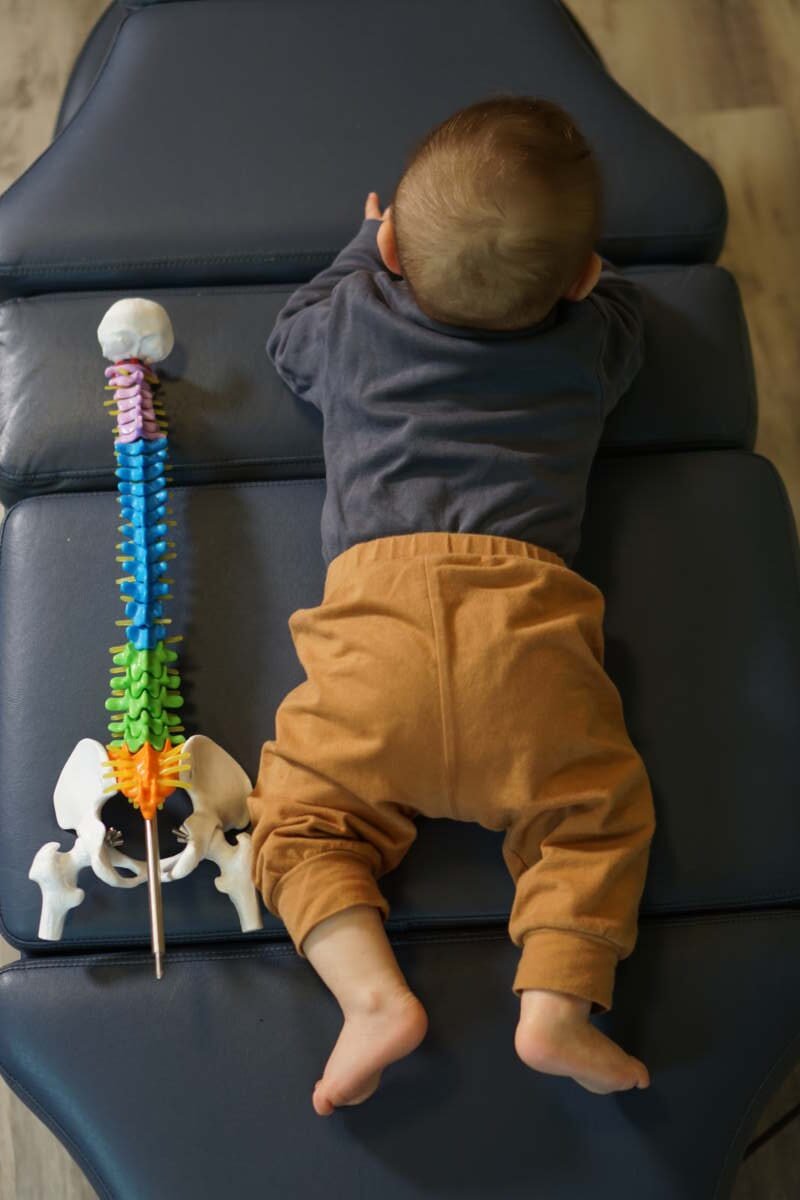
A chiropractor assesses how your joints, muscles, and nerves are working together, then restores motion and reduces pain using spinal and joint adjustments, soft tissue therapy, corrective exercise, and rehabilitation. The goal is not to mask discomfort but to find why it keeps returning. If stiff shoulders, an aching back, or a nagging sports injury has been steering your days, this guide explains what actually happens in a 2026 chiropractic visit, what the evidence supports, and how to know whether it fits you.
The Direct Answer: Four Tools Chiropractors Use to Reduce Joint, Muscle, and Spine Pain
Chiropractors use four primary tools to address musculoskeletal dysfunction: manual adjustments that restore joint motion, soft tissue therapy that releases muscle tension, corrective exercises that rebuild strength, and rehabilitation protocols that retrain movement patterns. These methods work together to target the source of pain rather than simply hiding it. why chiropractic care is a drug-free option for musculoskeletal pain aligns with what most patients are searching for in 2026: lasting relief without relying on medication.

The Chiropractorr builds every care plan around these evidence-based pillars, tailoring the mix to what your body actually needs rather than a one-size-fits-all protocol.
- Spinal and Joint Adjustments: Precise, controlled forces that restore normal motion to restricted joints, relieving irritation on surrounding nerves and tissues.
- Soft Tissue Therapy: Hands-on techniques like myofascial release and trigger point therapy that address muscle tightness, scar tissue, and chronic tension patterns.
- Corrective Exercises: Targeted movements designed to strengthen weak areas, improve stability, and support proper alignment between visits.
- Rehabilitation Protocols: Structured plans that retrain how you move, walk, lift, and sit to prevent the original injury pattern from returning.
Why Adjustments Restore Motion Instead of Just Masking Pain
When a joint becomes restricted, it stops moving through its full range. The surrounding muscles tighten to protect it, and nearby nerves can become irritated by the abnormal mechanics. This creates a cycle where stiffness feeds pain and pain feeds stiffness. Chiropractic adjustments address this by delivering a specific, controlled impulse that frees the stuck joint, resetting its movement and allowing the nervous system to calm down.
Rather than forcing bones into place, an adjustment restores normal joint play. Think of a door hinge that has become sticky it does not need replacement, just mobilization. That is what adjustments do for spinal and extremity joints. The result is often immediate relief of pressure and a noticeable improvement in how you can turn, bend, or reach.
According to the American College of Physicians’ 2017 clinical practice guideline, spinal manipulation is recommended as a first-line treatment for acute, subacute, and chronic low back pain, with evidence showing modest improvements in pain and function compared to other conservative options.
Patients often describe a sense of lightness or improved ease of movement after an adjustment. The pop or click you might hear is simply gas releasing from the joint capsule similar to opening a soda bottle and is not bones cracking.
- Reduced joint restriction and improved range of motion
- Decreased muscle tension as protective spasms relax
- Relief of nerve irritation that may be causing referred pain
chiropractor for lower back pain is one of the most common reasons patients initially seek care, given how frequently the lumbar spine becomes restricted from prolonged sitting or improper lifting mechanics.
Soft Tissue Therapy and Corrective Exercise: The Part That Keeps Pain From Coming Back
Joint restrictions rarely exist in isolation. Muscles develop trigger points, fascia becomes adhered, and movement patterns shift to compensate for pain. If you only free the joint without addressing these soft tissue components, the restriction tends to return. This is why The Chiropractorr integrates soft tissue therapy and corrective exercise rehabilitation into care plans rather than relying on adjustments alone.
Soft tissue work targets the muscles and connective tissue that pull on joints. When a muscle stays chronically tight, it keeps stress on the joint and reinforces abnormal movement. Techniques like myofascial release break up adhesions, improve blood flow, and restore normal glide between tissue layers.
Corrective exercise then retrains the underlying movement fault. Without this step, patients often fall back into the same posture, gait, or lifting habits that caused the original problem. specialized soft tissue therapy combined with a structured exercise plan is what bridges the gap between short-term relief and long-term resilience.
- Forward Head Posture: Caused by prolonged screen use; corrected through chin tucks, scapular retractions, and thoracic extension drills.
- Anterior Pelvic Tilt: Driven by tight hip flexors and weak glutes; addressed with hip flexor stretches and glute strengthening bridges.
- Shoulder Internal Rotation: Common in desk workers and overhead athletes; corrected through external rotation strengthening and thoracic mobility work.
- Lower Crossed Syndrome: Tight lower back and hip flexors with weak abdominals and glutes; treated with core stabilization and hip flexor release.
- Unilateral Weight Shift: Often caused by an old injury that never fully healed; addressed through single-leg balance work and gait retraining.
Office Workers, Athletes, and New Moms: How the Treatment Plan Changes for Each
No two patients arrive with identical patterns. A software developer spending twelve hours a day at a desk has very different needs than a marathon runner with recurring shin splints or a new mom navigating the physical demands of lifting, carrying, and feeding an infant. Treatment plans must reflect these lifestyle realities to be effective.
For office workers, the focus often centers on reversing the postural strain of prolonged sitting tight hip flexors, forward head posture, and thoracic stiffness. Athletes typically require sport-specific analysis to identify movement inefficiencies that contribute to overuse injuries. Postpartum patients benefit from care that addresses diastasis recti, pelvic floor dysfunction, and the unique mechanical stressors of caring for a newborn. preventing neck pain before it starts is often a priority for those who spend most of their workday at a computer.
| Patient Type | Common Pain Pattern | Typical Chiropractic Focus | Home Support |
|---|---|---|---|
| Office Worker | Neck stiffness, upper back pain, tension headaches | Cervical and thoracic adjustments, postural correction | Ergonomic setup, hourly posture resets |
| Athlete | Recurrent strain, joint instability, limited performance | Sport-specific movement analysis, extremity adjusting | Sport-specific warm-up, mobility routine |
| Postpartum Mother | Lower back pain, pelvic discomfort, wrist strain | Lumbar and pelvic adjustments, core rehabilitation | Safe lifting mechanics, postpartum-safe core exercises |
| Active Adult | General stiffness, occasional flare-ups | Maintenance adjustments, mobility work | Regular physical activity, consistent hydration |
| Family Care | Growing pains, minor injuries, posture concerns | Gentle adjustments, movement education | Age-appropriate activity, healthy habits |
Combination Care Outperforms Any Single Technique: Here Is the Logic
Musculoskeletal pain is rarely caused by a single factor. A restricted joint, a tight muscle, a weak stabilizer, and a faulty movement pattern often coexist. Treating just one of these components while ignoring the others leads to incomplete results. Evidence supports that combination therapy layering adjustments, soft tissue work, and corrective exercise produces better outcomes than any single modality alone.
combination therapy for musculoskeletal pain reflects what modern chiropractic care looks like in 2026. By addressing multiple dysfunctional systems simultaneously, treatment becomes more efficient. Patients often report faster symptom relief, improved durability of results, and a lower likelihood of recurrence. This multimodal approach also allows the care plan to shift as your body changes, prioritizing different tools at different stages of recovery.
| Treatment Approach | Goals Addressed | Typical Speed of Relief | Durability of Results |
|---|---|---|---|
| Adjustments Only | Joint motion, nerve irritation | Fast but often temporary | Relies on repeat visits |
| Exercise Only | Strength, stability | Gradual over weeks | Good, but slow initial relief |
| Soft Tissue Only | Muscle tension, trigger points | Moderate | May miss joint component |
| Combined Multimodal | Joint, muscle, movement, stability | Fast initial relief, sustained improvement | High, with proper home compliance |
Your First Visit, Step by Step: From History to Hands-On Care
Walking into a chiropractic office for the first time can feel uncertain if you do not know what to expect. The initial visit has three main phases: information gathering, examination, and an introduction to care. The goal is to understand your history, identify what is causing your symptoms, and determine whether chiropractic care is appropriate for your situation.
- Complete Intake Forms: You will provide details about your current symptoms, medical history, past injuries, lifestyle factors, and goals for care so the chiropractor can build context before the exam.
- Discuss Your History: The chiropractor will ask clarifying questions about when the pain started, what makes it better or worse, and how it affects your daily activities.
- Undergo Physical Examination: This includes range of motion testing, orthopedic and neurological assessments, posture analysis, and palpation of the spine and soft tissues.
- Receive a Diagnosis: Based on the findings, the chiropractor will explain what is causing your symptoms and outline a proposed care plan tailored to your specific condition.
- Begin Initial Treatment: In many cases, you will receive your first adjustment, soft tissue work, or movement advice during this visit, provided it is safe and appropriate.
- Review the Care Plan: You will leave with a clear understanding of follow-up visits, recommended home exercises, and what signs of progress to watch for.
what to expect from chiropractic care removes much of the uncertainty patients feel before that first appointment. Wear comfortable clothing that allows you to move freely, and bring any relevant imaging reports if you have them.
Key Takeaways: What Chiropractic Care Can and Cannot Do for Your Pain
Chiropractic care is an effective, evidence-based option for many musculoskeletal conditions, but it is not a universal solution for every type of pain. Understanding what it can and cannot address helps set appropriate expectations and ensures you get the right care for your situation. chiropractic services are designed to support your body’s ability to heal through natural, non-invasive methods.
- Effective for mechanical joint and muscle pain: Adjustments and soft tissue therapy address common causes of back pain, neck pain, headaches, and extremity issues.
- Improves mobility and function: Care plans focus on restoring normal movement patterns, not just reducing symptoms.
- Drug-free and non-surgical: Chiropractic offers an alternative to medication dependence and an option before considering invasive procedures.
- Results vary by individual: Factors like overall health, lifestyle, and compliance with home exercises influence how quickly and how completely you recover.
- Multi-modal care works best: Combining adjustments with soft tissue work and corrective exercise typically produces better outcomes than spinal manipulation alone.
- Red flag symptoms require medical referral: Seek immediate medical attention if you experience progressive weakness, loss of bowel or bladder control, fever with back pain, or unexplained weight loss.
Three Daily Habits That Extend the Results Between Appointments
What you do between visits matters as much as what happens in the treatment room. Chiropractic care creates a window of opportunity restoring motion, reducing tension, and calming irritation but your daily habits determine whether those changes stick. recovering from injuries with chiropractic care is a collaborative process that requires active participation.
- Posture Resets Every Hour: Set a reminder to stand, roll your shoulders back, tuck your chin slightly, and take three deep breaths. Many patients hold tension because they stay locked in one position for hours. Frequent micro-breaks counteract this.
- Two-Minute Mobility Micro-Breaks: When you stand up, add a gentle spinal twist, a hip flexor stretch, or a thoracic extension over a chair. These short bursts of movement keep joints lubricated and prevent stiffness from accumulating.
- Simple Strengthening Routine: Spend five minutes daily on core activation, glute bridges, or scapular stability exercises. Consistency builds the foundation that supports the work done in the office and reduces the risk of future flare-ups.
Watch the video above for a guided demonstration of these daily maintenance movements.
FAQ: Straight Answers on Safety, Results, and Cost of Chiropractic Care
Is chiropractic care safe?
Yes, when performed by a licensed practitioner. Serious adverse events are rare, with estimates suggesting incidents occur in less than one in several million adjustments. Most side effects are mild and temporary, such as brief soreness similar to what you might feel after exercise.
Do chiropractic adjustments hurt?
Generally no, and most patients feel immediate relief. You may experience brief pressure or hear a popping sound, but significant pain during an adjustment is uncommon. Some mild soreness afterward can occur as your body adapts to restored motion.
How many sessions will I need before I feel better?
Many patients notice improvement within four to six visits. Acute issues often respond faster, while chronic conditions may require a longer timeline. Your chiropractor will set expectations based on your specific condition and overall health.
Can chiropractic care help me avoid back surgery?
In many cases, yes, it can be a viable non-surgical option. A significant percentage of patients with disc issues or chronic back pain improve with conservative chiropractic care, potentially avoiding the risks and recovery time associated with surgical intervention.
Does insurance cover chiropractic treatment?
Most major insurance plans include some chiropractic coverage. The extent of coverage varies by plan, but many policies cover a set number of visits per year. The front desk at The Chiropractorr can help verify your specific benefits before care begins.