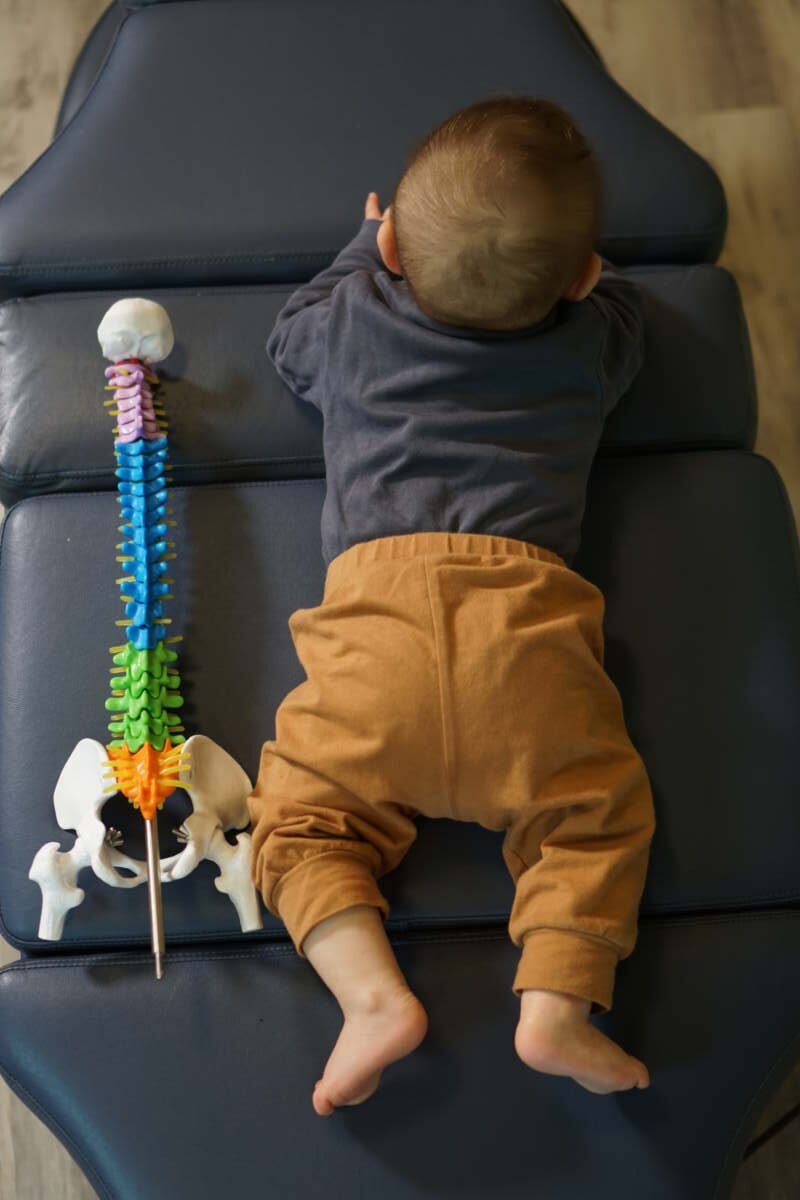
Chiropractors focus on spinal alignment and joint manipulation to restore nervous system function and relieve pain through hands-on adjustments. Physiotherapists emphasize exercise-based rehabilitation, movement retraining, and functional recovery through progressive strengthening protocols. Both professions treat musculoskeletal conditions using manual therapy, but their clinical philosophy, treatment techniques, and scope of practice differ significantly. Understanding these distinctions empowers you to select the most effective care pathway for your specific injury, pain pattern, or mobility goal.
Quick Answer: Core Distinctions Between Chiropractic and Physiotherapy Practice
The fundamental difference lies in how each profession views the body and approaches healing. Chiropractors operate from a vitalistic perspective, focusing on the relationship between the spine and the nervous system. They believe that misalignments in the spine, often called subluxations, interfere with nerve transmission and cause dysfunction throughout the body. Their primary tool is the chiropractic adjustment a high-velocity, low-amplitude thrust designed to restore proper alignment and joint function.
Physiotherapists, conversely, approach care from a biomechanical and functional perspective. Their treatment philosophy centers on restoring movement patterns, strengthening musculature, and improving functional capacity through active rehabilitation. While they use manual therapy, their emphasis is on exercise prescription and patient education to promote long-term self-management. Both are manual therapy specialists, but their delivery methods contrast significantly.
For those seeking comprehensive chiropractic services, understanding these distinctions helps clarify what to expect during treatment. The choice often depends on whether your condition requires structural correction or functional rehabilitation.

| Characteristic | Chiropractor | Physiotherapist |
|---|---|---|
| Primary Focus | Spinal alignment, nervous system function, joint manipulation | Movement restoration, strength building, functional rehabilitation |
| Core Techniques | Spinal adjustment, mobilization, soft tissue therapy | Therapeutic exercise, stretching, manual therapy, modalities |
| Treatment Approach | Hands-on correction followed by stabilization | Active rehabilitation and progressive loading |
| Typical Conditions | Back pain, neck pain, headaches, joint dysfunction, sciatica | Post-surgical rehab, sports injuries, stroke recovery, chronic pain |
| Session Emphasis | Corrective adjustment with supportive therapies | Exercise instruction and movement retraining |
Chiropractors Prioritize Spinal Alignment and Nervous System Integration

Chiropractic care centers on the principle that proper spinal alignment enables optimal nervous system communication. The spine houses the spinal cord, which transmits nerve signals between the brain and every organ, muscle, and tissue in the body. When vertebral joints lose their normal motion or position, chiropractors suggest this can compromise nerve function and contribute to various health issues beyond just musculoskeletal pain.
The chiropractic adjustment involves applying a precise, controlled force to a specific joint. This manipulation techniques approach creates an audible release often called cavitation which results from gas bubbles releasing from the joint fluid. Patients typically report immediate relief following spinal adjustment, though a series of treatments is usually necessary to create lasting change. Evidence-based manual therapy research supports spinal manipulation for acute and chronic low back pain, with studies showing meaningful improvements in pain and function.
Modern chiropractors integrate various soft tissue therapies alongside adjustments to address muscles, ligaments, and fascia surrounding joints. This comprehensive approach ensures that structural corrections hold longer and that supporting tissues heal properly. Clinics frequently combine spinal decompression and chiropractic treatment for disc-related conditions, creating a synergistic effect for herniated discs and degenerative joint disease.
- High-velocity, low-amplitude spinal adjustments to restore joint motion
- Flexion-distraction technique for disc injuries and spinal stenosis
- Instrument-assisted soft tissue mobilization for scar tissue and adhesions
- Drop-table adjustments using gravity-assisted pelvic and lumbar corrections
- Extremity manipulation for shoulder, hip, knee, and wrist dysfunction
Physiotherapists Emphasize Progressive Exercise and Functional Movement Patterns
Physical therapy vs chiropractic care becomes most apparent in the treatment room. Physiotherapists dedicate significant session time to active rehabilitation rather than passive treatment. Their methodology involves identifying movement impairments, muscle weaknesses, and faulty motor patterns, then prescribing targeted exercises to correct these deficits. The patient takes an active role in their recovery, performing progressive strengthening protocols under guidance.
Motor control retraining represents a core physiotherapy competency. This approach addresses how the brain coordinates muscle activation patterns during movement. Research demonstrates that pain alters normal muscle firing sequences, leading to compensation patterns that persist even after the original injury heals. Physiotherapists use specific exercises to retrain these faulty patterns, restoring efficient movement and reducing re-injury risk. This movement disorder treatment philosophy makes physical therapy particularly valuable for chronic conditions requiring sustained behavioral change.
While manual therapy remains part of physiotherapy practice, it typically serves as an adjunct to exercise rather than the primary intervention. Techniques like joint mobilization, massage, and stretching prepare tissues for movement or provide symptomatic relief. The ultimate goal centers on functional independence patients learn to manage their condition through ongoing exercise and lifestyle modification. For those interested in stretching therapy and movement optimization, understanding how flexibility integrates with strength provides helpful context.
- Therapeutic strengthening exercises targeting specific muscle weaknesses
- Proprioceptive and balance training for joint stability and coordination
- Manual therapy techniques including mobilization and soft tissue work
- Neuromuscular re-education to restore proper movement patterns
- Modalities such as ultrasound, electrical stimulation, and heat therapy
- Functional activity training for sport-specific or daily task restoration
Educational Requirements and Scope of Practice Vary by Jurisdiction
Both professions require extensive graduate-level education, though the specific pathways differ. Chiropractic education involves a Doctor of Chiropractic (DC) degree, typically a four-year program following undergraduate prerequisites. The curriculum includes extensive coursework in anatomy, physiology, diagnosis, radiology, and chiropractic technique, plus clinical internship experience. Graduates must pass national board examinations and obtain state licensure before practicing.
Physiotherapy education has evolved significantly, with entry-level credentials now typically at the doctoral level (DPT) in the United States or master’s level in other jurisdictions. Programs span three to four years post-bachelor’s and emphasize clinical reasoning, evidence-based practice, and differential diagnosis alongside therapeutic intervention. Clinical rotations provide supervised experience across various patient populations and practice settings.
Regulatory differences expand or limit what each practitioner can offer. Chiropractors often have broader diagnostic imaging privileges, frequently ordering and interpreting X-rays in-office. Physiotherapists in many jurisdictions cannot order imaging independently. Prescription rights also vary chiropractors generally cannot prescribe medications, while physiotherapists in some regions have limited prescriptive authority for certain medications. Both focus on injury recovery with evidence-based chiropractic care or physiotherapy rehabilitation, though their clinical decision-making frameworks differ.
| Qualification | Chiropractor | Physiotherapist |
|---|---|---|
| Degree Required | Doctor of Chiropractic (DC) 4 years post-undergraduate | Doctor of Physical Therapy (DPT) 3 years post-undergraduate |
| Clinical Hours | Approximately 1,000+ hours supervised patient care | Approximately 1,200+ hours clinical rotations |
| Diagnostic Imaging | Can order and interpret X-rays in most jurisdictions | Limited or no independent imaging ordering rights |
| Licensing Exam | National Board of Chiropractic Examiners (NBCE) | National Physical Therapy Examination (NPTE) |
| Prescription Authority | None for pharmaceuticals; dietary supplements permitted | Limited prescriptive authority in select jurisdictions |
When Spinal Manipulation Delivers Superior Outcomes for Joint Dysfunction

Certain clinical presentations respond exceptionally well to chiropractic intervention. Acute mechanical low back pain represents the most common scenario where chiropractic adjustment produces rapid, measurable improvement. Research consistently supports spinal manipulation as an effective first-line treatment for acute low back pain, with many patients experiencing significant relief within the first few visits. This makes chiropractic adjustment for back pain a preferred starting point for many patients.
Cervicogenic headaches pain originating from the neck that radiates to the head also demonstrate strong response rates to upper cervical manipulation. Studies indicate that spinal adjustment reduces headache frequency, intensity, and duration in many patients. Joint dysfunction patterns, where restricted motion creates pain and compensatory movement, typically require the specific mobilization that chiropractic adjustments provide.
According to a systematic review published in The Spine Journal, spinal manipulation was associated with statistically significant improvements in pain and function compared to placebo for acute low back pain [EXT_LINK_1]. The effects appeared most pronounced in the first six weeks of care.
Patients with sacroiliac joint dysfunction also benefit significantly from chiropractic care. The sacroiliac joints, where the spine meets the pelvis, can become restricted or misaligned, causing lower back and buttock pain. Adjustment techniques specifically designed for this region restore normal motion and reduce pain signals. Chiropractic vs physiotherapy outcomes for these conditions generally favor manipulation approaches when joint restriction is the primary driver.
- Acute mechanical low back pain with joint restriction
- Cervicogenic headaches originating from cervical spine dysfunction
- Sacroiliac joint dysfunction causing posterior pelvic pain
- Acute neck pain following injury or postural strain
- Extremity joint dysfunction including shoulder and hip impingement
When Exercise-Based Rehabilitation Produces Better Long-Term Mobility Gains
Active rehabilitation programs excel when recovery requires sustained strength gains, motor pattern correction, or functional capacity building. Post-surgical rehabilitation represents the clearest scenario favoring physiotherapy. Following procedures like ACL reconstruction, total joint replacement, or rotator cuff repair, patients need progressive loading protocols that tissue healing timelines dictate. Physiotherapists specialize in guiding patients through these phases safely.
Chronic conditions also benefit significantly from exercise-based approaches. When comparing chiropractic care versus medication for musculoskeletal pain, exercise rehabilitation provides distinct advantages for long-term management. Chronic low back pain research demonstrates that exercise programs producing meaningful strength and endurance gains correlate with reduced disability and pain intensity. Motor learning principles suggest that active participation creates stronger neural pathways for movement control than passive treatment alone.
A randomized controlled trial found that patients with chronic low back pain who completed a structured exercise program reported significantly greater improvements in pain and function compared to those receiving passive modalities alone, with effects maintained at one-year follow-up [EXT_LINK_2].
Neurological rehabilitation following stroke, spinal cord injury, or traumatic brain injury requires the intensive, repetitive movement practice that physiotherapy protocols provide. Neuromuscular retraining demands thousands of repetitions to create lasting change something brief treatment sessions cannot achieve alone. For these populations, home exercise programs form the foundation of meaningful functional recovery.
- Post-surgical rehabilitation following orthopedic procedures
- Chronic low back pain requiring core stabilization and strength
- Neurological rehabilitation for stroke or movement disorders
- Sports injury rehabilitation with return-to-sport requirements
- Postural syndrome related to sustained poor positioning
How Integrated Care Models Combine Both Disciplines for Optimal Recovery
Progressive musculoskeletal treatment options increasingly recognize that combining chiropractic and physiotherapy approaches often produces superior outcomes compared to either alone. Integrated care models leverage the strengths of each profession: chiropractors address acute pain and joint dysfunction through manipulation, while rehabilitation specialists guide functional restoration and injury prevention. This sequential approach allows patients to transition from passive pain management to active self-care.
Consider a patient with acute disc herniation causing severe leg pain. Initial chiropractic care, including gentle adjustments and flexion-distraction, reduces pressure on the affected nerve root and decreases inflammation. As acute symptoms resolve, rehabilitation exercises strengthen the core musculature and improve movement patterns, reducing future re-injury risk. This collaborative pathway addresses both immediate symptoms and underlying dysfunction.
Clinics offering posture correction through chiropractic treatment often integrate exercise prescription because lasting postural change requires muscular retraining alongside joint mobilization. tight hip flexors and weak glutes contribute to anterior pelvic tilt; adjustments alone cannot correct this. Conversely, exercise alone cannot restore joint mechanics to normal. Combining evidence-based manual therapy with targeted strengthening creates comprehensive solutions.
Key Takeaways: Selecting the Right Practitioner for Your Pain Pattern
Choosing between these professions requires honest assessment of your condition, goals, and preferences. Acute pain with joint restriction responds well to chiropractic care, while rehabilitation needs favor physiotherapy. Many patients benefit from both, either sequentially or concurrently. The decision should align with your specific presentation rather than general preferences.
Consider chiropractor for lower back pain relief when pain is recent, mechanical, and accompanied by stiffness or restricted motion. Choose physiotherapy when recovery requires significant strengthening, movement retraining, or functional progression. The following factors guide appropriate selection:
- Acute vs chronic presentation: Recent onset often responds faster to manipulation
- Pain location: Spinal conditions favor chiropractic; extremity rehab favors physiotherapy
- Treatment preference: Some patients prefer passive treatment; others want active involvement
- Functional goals: Return to sport or specific activities requires exercise progression
- Time availability: Chiropractic requires frequent brief visits; physiotherapy fewer longer sessions
- Insurance coverage: Plans vary significantly for each profession
Frequently Asked Questions About Chiropractors vs Physiotherapists
Can I see both a chiropractor and a physiotherapist simultaneously?
Yes, many patients benefit from concurrent care. Communication between providers ensures treatment complementarity without redundancy or contraindication. Co-management often accelerates recovery compared to single-modality approaches.
Which profession is better for sciatica relief?
Both treat sciatica effectively using different approaches. Chiropractors address spinal misalignment causing nerve compression, while physiotherapists focus on strengthening and positioning. The choice depends on whether acute disc involvement or chronic piriformis syndrome drives symptoms.
Do chiropractors prescribe exercises like physiotherapists?
Yes, modern chiropractors routinely prescribe corrective exercises. While less intensive than physiotherapy protocols, chiropractic exercises support adjustment benefits. However, complex rehabilitation still requires specialized physiotherapy expertise.
Is chiropractic adjustment safe for everyone?
Generally yes, with appropriate screening. Chiropractors conduct thorough examinations to identify contraindications like fracture, infection, or instability. Risk of serious adverse events remains extremely low, estimated at less than one per million cervical adjustments.
How many sessions will I need with each practitioner?
Treatment duration varies significantly by condition. Acute chiropractic care may require 6-12 visits over several weeks, while physiotherapy rehabilitation typically spans 6-8 weeks with 1-2 weekly sessions. Chronic conditions require longer treatment courses.
Will my insurance cover both types of treatment?
Coverage depends on your specific plan design. Most insurance plans include both professions, though visit limits, copays, and referral requirements differ. Contact your insurer to confirm benefits before initiating care.