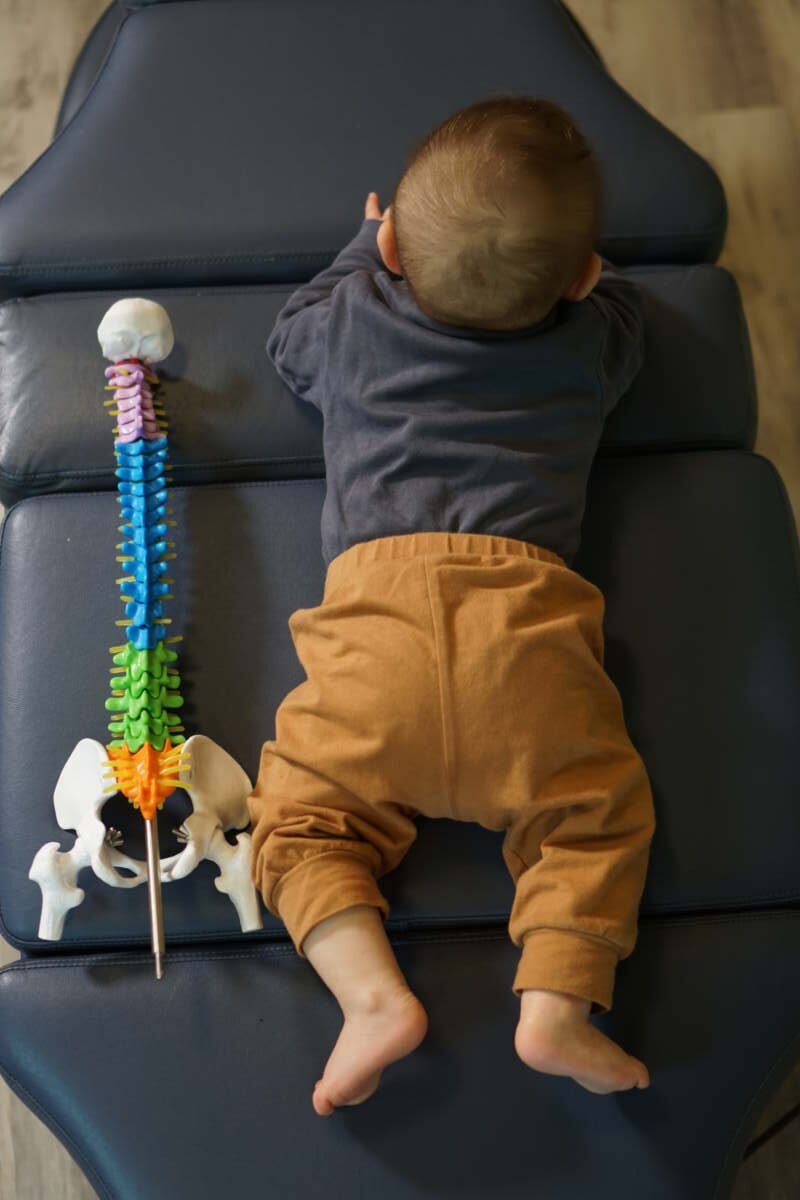
Chiropractic care focuses on spinal alignment and joint mobilization through hands-on adjustments to restore nervous system function and relieve pain quickly. Physical therapy emphasizes rehabilitation through guided exercises, stretching protocols, and gradual strength building to restore functional movement patterns. While chiropractors target spinal misalignments and joint restrictions directly, physical therapists develop progressive exercise programs addressing muscle imbalances and movement dysfunction. Both professions treat back pain effectively, but their philosophies, techniques, and treatment timelines differ significantly based on your specific condition and recovery goals.
Quick Answer: Core Treatment Philosophy Distinguishes Each Discipline
Understanding what is the difference between chiropractic care and physical therapy for back pain starts with their foundational philosophies. Chiropractors operate from a premise that spinal alignment directly influences nervous system function, believing that misalignments called subluxations create interference in nerve signals. Their treatment targets these structural issues through precise manual corrections designed to restore proper joint mechanics almost immediately.
Physical therapists approach back pain through a movement and rehabilitation lens. They view pain as often stemming from muscle weakness, imbalance, or faulty movement patterns that develop over time. Their protocols focus on retraining the body to move correctly through progressive exercise programs, stretching routines, and functional movement training that rebuilds strength and coordination gradually.
| Aspect | Chiropractic Care | Physical Therapy |
|---|---|---|
| Treatment Philosophy | Joint-focused, alignment restoration | Movement-focused, functional rehabilitation |
| Primary Techniques | Spinal adjustments, joint mobilization | Therapeutic exercise, stretching, strengthening |
| Session Focus | Manual correction of restrictions | Active patient participation in exercises |
| Typical Duration | 6-12 visits over 2-4 weeks | 8-16 weeks of progressive training |
| Ideal Candidates | Acute pain, joint restrictions, disc issues | Post-surgical rehab, chronic weakness, stability needs |
Clinical outcomes in 2026 show both approaches produce meaningful results, though patients often respond differently based on their condition type. Acute mechanical back pain frequently responds faster to chiropractic intervention, while chronic conditions with underlying weakness may benefit more comprehensively from physical therapy’s longer-term strengthening protocols.

Research examining patient outcomes across both disciplines reveals interesting patterns. Those seeking chiropractic care for musculoskeletal pain often report noticeable improvement within the first several visits, particularly when addressing acute joint restrictions or nerve irritation. Physical therapy patients tend to show more gradual progress, building strength and function over weeks rather than days.
Manual Spinal Adjustments vs Therapeutic Exercise Protocols [Study]
The hands-on nature of chiropractic treatment sets it apart from other conservative care options. Chiropractors use manual spinal adjustments to address joint restrictions directly. The most common technique, high-velocity low-amplitude thrusts, creates that characteristic “popping” sound patients associate with chiropractic visits. This cavitation occurs when gases rapidly release from the joint capsule, creating space and restoring mobility.
Physical therapists rarely perform these rapid adjustment maneuvers. Instead, they rely on therapeutic exercise protocols that progressively challenge weakened muscle groups. Their sessions involve guided movements, resistance training, and functional exercises designed to correct the underlying movement patterns contributing to pain.
- Chiropractic adjustments directly mobilize stuck joints, while PT exercises strengthen muscles supporting those joints
- Adjustments typically produce immediate range of motion improvements, whereas exercise benefits accumulate over time
- Chiropractors may use drop tables and positioning aids, PTs use balls, bands, and gym equipment
- Soft tissue work in chiropractic often targets surrounding musculature, PT incorporates manual therapy into exercise sessions
- Home care from chiropractors usually involves posture advice, while PTs prescribe specific exercise routines
The biomechanics behind spinal manipulation reveal why many patients experience rapid symptom changes. Research published in spine journals demonstrates that adjustment forces create cavitation within synovial joints, temporarily increasing range of motion and reducing muscle hypertonicity. This neurological effect extends beyond the adjusted segment, influencing surrounding tissues and potentially altering pain perception through central nervous system pathways.
Understanding these mechanisms helps clarify why chiropractic care helps relieve lower back pain naturally for many acute conditions. The immediate mechanical changes in joint mobility, combined with neurological effects on pain processing, create conditions where healing can progress more efficiently. Patients often describe feeling “unstuck” or having greater freedom of movement following adjustment sessions.
Treatment Timeline: Immediate Relief vs Gradual Rehabilitation [2026 Data]
Time expectations differ substantially between these two approaches. Chiropractic care plans typically span 2-4 weeks for acute conditions, with patients often attending sessions 2-3 times weekly. This frequency allows chiropractors to address joint restrictions before muscles and connective tissues return to their restricted patterns.
Physical therapy timelines generally extend longer, often 8-16 weeks depending on the condition severity. This extended duration reflects the nature of neuromuscular retraining building strength, endurance, and proper movement patterns requires consistent practice over time.
Acute back pain episodes often respond favorably to chiropractic’s shorter, more intensive treatment windows. Patients with disc injuries, facet syndrome, or sudden onset mechanical pain frequently report meaningful improvement within their first several visits. The immediate pain reduction following adjustments allows patients to move more freely, which itself promotes healing.
Clinical guidelines suggest that patients with acute low back pain who receive spinal manipulation within the first four weeks of symptom onset experience greater improvement in pain and function compared to those who delay treatment.
Chronic pain presentations often benefit from physical therapy’s extended approach. Conditions rooted in longstanding muscle weakness, postural dysfunction, or movement pattern abnormalities require time to address. PT protocols progressively load tissues, retrain motor patterns, and build endurance in ways that support long-term functional improvement.
Recovery milestones differ across conditions. Acute mechanical back pain may show 40-50% improvement within the first week of chiropractic care. Chronic conditions undergoing physical therapy often demonstrate more gradual progress, with meaningful functional gains appearing around the 4-6 week mark. Combining approaches using chiropractic to manage acute flare-ups while pursuing physical therapy for long-term stability often produces optimal outcomes.
Research examining how regular chiropractic adjustments can prevent chronic back pain suggests that early intervention matters. Addressing joint restrictions before they create compensatory movement patterns may reduce the likelihood of acute episodes becoming chronic conditions requiring extended rehabilitation.
Diagnostic Approaches: Joint Restriction Assessment vs Functional Movement Screening
How practitioners evaluate your back pain reveals their treatment priorities. Chiropractors typically perform motion palpation, examining each spinal segment through hands-on assessment. They identify restricted joints, areas of tenderness, and aberrant movement patterns that suggest underlying dysfunction.
Orthopedic testing complements this assessment. Chiropractors use specific maneuvers to reproduce symptoms, helping pinpoint whether pain originates from discs, facets, nerves, or soft tissues. These findings direct where adjustments should focus and which adjunctive therapies might help.
Physical therapists approach evaluation differently. Their assessments emphasize functional movement patterns how you walk, bend, squat, and perform daily activities. Gait analysis reveals compensations that might contribute to back pain. Strength testing identifies weak or inhibited muscle groups that fail to properly support the spine.
Functional movement screening examines quality of movement through standardized tests. These assessments highlight asymmetries, limitations, or pain-provoking patterns that become treatment targets. Rather than focusing primarily on which joint is restricted, PTs often examine why muscles aren’t supporting proper movement.
Understanding your evaluation helps set expectations. When learning what to expect from chiropractic care, patients should anticipate hands-on examination of their spine, orthopedic tests designed to reproduce symptoms, and discussion of how joint restrictions relate to their pain experience. Physical therapy evaluations involve watching you move, testing strength and flexibility, and analyzing movement quality during functional tasks.
Both diagnostic approaches inform treatment planning effectively they simply start from different premises. Chiropractors identify what’s stuck and where to adjust. Physical therapists identify what’s weak and how to strengthen. Many patients benefit from understanding both perspectives to address their back pain comprehensively.
How Chiropractors Address Nerve Impingement and Spinal Misalignment
Spinal misalignments and nerve impingement represent core concerns for chiropractic practice. When vertebrae lose their normal motion or position, they can irritate surrounding nerves, creating pain that radiates into the buttocks, legs, or even down to the feet. Chiropractors use specific adjustment techniques to restore proper joint mechanics and reduce this nerve irritation.
Subluxation theory describes how misalignments create neurological interference. While traditional models focused solely on bone position, modern understanding incorporates soft tissue components, inflammatory responses, and neurological effects. The interference isn’t simply mechanical pressure it involves complex interactions between joint capsules, muscles, and nerve signaling.
For disc herniation and nerve root compression, certain chiropractic techniques may help. Flexion-distraction protocols gently decompress spinal segments, potentially reducing pressure on bulging discs. Specific adjustments targeting restricted facet joints can improve overall segmental mobility, creating conditions where disc material might recede from nerve structures.
- Acute disc herniations with radicular symptoms responding to mechanical positioning changes
- Facet syndrome where joint restriction creates localized back pain with movement
- Sacroiliac dysfunction causing unilateral low back and buttock pain
- Mechanical back pain from postural stress or minor trauma
- Pregnancy-related pelvic girdle pain and lumbar discomfort
- Sports-related spinal restrictions affecting athletic performance and recovery
Understanding chiropractic’s mechanism helps patients make informed decisions about approaching treatment. Considering chiropractic adjustment for back pain over surgery makes sense for many conditions, particularly those without progressive neurological deficits. Conservative management should typically precede surgical consideration, and chiropractic care offers a non-invasive option for many mechanical back pain presentations.
How Physical Therapists Rebuild Strength and Movement Patterns
Physical therapy’s strength lies in its systematic approach to neuromuscular retraining. Therapists use progressive overload principles borrowed from exercise science, gradually increasing demands on weakened muscle groups. This progression builds not just strength, but endurance and motor control essential for spinal stability.
Core stabilization programs form the backbone of many back pain rehabilitation protocols. These aren’t simply abdominal exercises they target the deep stabilizing muscles that support spinal segments during movement. Transverse abdominis training, multifidus activation, and diaphragmatic breathing patterns all contribute to creating a stable foundation for functional movement.
Motor control retraining addresses faulty movement patterns contributing to pain. Many patients develop compensatory movements over years hunched posture, improper bending mechanics, or asymmetric loading patterns. These become ingrained, requiring conscious retraining to correct. Physical therapists use cueing, feedback, and progressive difficulty to reshape these patterns.
Research demonstrates that core stabilization exercises combined with patient education on proper movement mechanics produce superior outcomes compared to general exercise programs for chronic low back pain.
Understanding how these approaches complement each other matters. While stretching therapy complements chiropractic treatments, therapeutic exercise extends these benefits further. Chiropractic adjustments free up restricted joints, creating opportunity for proper movement. Physical therapy then builds the strength and patterns that maintain that improved function long-term.
Insurance Coverage and Cost Structures in 2026
Practical considerations influence treatment decisions for many patients. Cost structures differ between chiropractic and physical therapy, though insurance coverage exists for both under most plans. Understanding typical expenses helps with planning.
| Factor | Chiropractic Care | Physical Therapy |
|---|---|---|
| Average Session Cost | $65-$125 without insurance | $75-$150 without insurance |
| Insurance Coverage | Covered under most major medical plans | Covered under most major medical plans |
| Typical Visit Limit | 12-20 visits annually (varies by plan) | 20-30 visits annually (varies by plan) |
| HSA/FSA Eligible | Yes, for qualified expenses | Yes, for qualified expenses |
| Medicare Coverage | Covered when medically necessary | Covered when medically necessary |
Medicare covers both chiropractic manipulation and physical therapy when deemed medically necessary, though coverage details vary. Medicaid programs typically include both services, though prior authorization may be required. Commercial insurance plans vary in their visit limitations and copayment structures.
Out-of-pocket considerations extend beyond per-session costs. Chiropractic’s shorter treatment timelines may result in lower total episode costs for acute conditions. Physical therapy’s extended duration potentially accumulates greater total expense, though the comprehensive rehabilitation it provides may reduce reinjury rates for chronic conditions.
For patients managing work-related injuries or auto accidents, coverage often flows through different channels. Workers’ compensation and personal injury protection typically cover both chiropractic and physical therapy. Patients recovering from injuries with chiropractic care often find that combining approaches chiropractic for immediate pain management, physical therapy for functional restoration produces optimal outcomes while insurance benefits remain available.
Key Takeaways: Choosing Your Back Pain Treatment Path
Choosing between chiropractic care and physical therapy or combining both depends on understanding your specific condition and goals. Neither approach represents a universal solution for all back pain, and many patients benefit from elements of both perspectives.
Acute back pain with joint restriction characteristics often responds well to early chiropractic intervention. The immediate improvement in mobility and pain reduction helps patients return to activity faster. When that acute episode resolves, transitioning focus toward movement patterns and core strength helps prevent recurrence.
Chronic back pain with underlying weakness or instability benefits from physical therapy’s comprehensive rehabilitation approach. Building proper movement patterns takes time and practice this is PT’s strength. Chiropractic might still play a role during flare-ups, but the foundation of long-term management often rests on strength and movement quality.
- Consider chiropractic first for acute back pain with joint restriction symptoms stiffness, sharp pain with movement, or mechanical presentation
- Prioritize physical therapy when chronic weakness, post-surgical rehabilitation, or movement dysfunction patterns dominate
- Combining both approaches often produces optimal outcomes chiropractic for immediate symptom relief, PT for long-term stability
- Insurance covers both services under most plans understand your specific benefits and visit limitations
- Neither approach requires physician referral in most states direct access allows seeking care promptly
Making an informed decision about your back pain treatment starts with understanding these distinctions. Consulting with a chiropractor for lower back pain provides evaluation and treatment options for acute presentations. If your condition requires additional rehabilitation, coordination with physical therapy creates comprehensive care addressing both immediate symptoms and underlying function.
FAQ: Chiropractic Care vs Physical Therapy for Back Pain
Can I see both a chiropractor and physical therapist for back pain?
Yes, combining both approaches often produces superior outcomes. Many patients use chiropractic care for immediate pain relief and mobility restoration during acute episodes while simultaneously pursuing physical therapy for long-term strength and stability. Coordination between providers ensures complementary rather than conflicting treatment. This integrated approach addresses both the joint restrictions causing immediate symptoms and the underlying weaknesses that predispose to recurrent episodes.
Do I need a referral to see a chiropractor or physical therapist?
No referral is required in most states for direct access. All 50 states allow some form of direct access to physical therapy, though certain limitations may apply. Chiropractic care similarly operates with direct access in most jurisdictions, allowing patients to seek evaluation without physician referral. Insurance companies sometimes require physician documentation for extended treatment, so checking your specific plan benefits remains advisable before beginning care.
Which treatment works faster for back pain relief?
Chiropractic care typically provides faster symptom relief for acute mechanical back pain. Patients often experience measurable improvement within the first several visits, sometimes noticing changes immediately following adjustments. Physical therapy benefits accumulate more gradually, with meaningful functional improvements typically emerging over weeks of consistent exercise. For acute pain presentations, chiropractic’s immediate effects may provide quicker relief, while chronic conditions benefit from PT’s sustained rehabilitation approach.
Is chiropractic or physical therapy better for herniated discs?
Both can effectively manage symptomatic disc herniations without surgery. Chiropractic techniques like flexion-distraction gently decompress spinal segments, potentially reducing nerve root pressure. Physical therapy strengthens supporting musculature and teaches proper movement mechanics to prevent further injury. Research suggests that conservative management including both approaches succeeds for the majority of disc herniation cases. Severe or progressive neurological symptoms warrant immediate medical evaluation regardless of treatment approach chosen.
How many sessions will I need for back pain?
Treatment duration depends on condition type and severity. Acute back pain typically responds to 6-12 chiropractic visits over 2-4 weeks. Physical therapy for similar acute conditions might span 4-8 weeks with 1-2 sessions weekly. Chronic back pain presentations often require longer treatment courses chiropractic may involve periodic maintenance visits, while physical therapy rehabilitation programs might extend 12-16 weeks. Your provider should outline expected duration during initial evaluation based on your specific presentation.
Are chiropractic adjustments safe for back pain?
Yes, spinal manipulation is considered safe when performed by licensed practitioners. Serious adverse events remain extremely rare, with most side effects limited to mild, temporary soreness following adjustment. Physical therapy similarly maintains excellent safety profiles, with exercise progression designed to remain within patient tolerance. Both forms of conservative care carry significantly lower risk than surgical intervention or long-term medication use for back pain management.
Will insurance cover chiropractic or physical therapy?
Yes, most major insurance plans cover both services with some limitations. Coverage details vary copays, visit limits, and prior authorization requirements differ across plans. Medicare covers chiropractic manipulation and physical therapy when medically necessary, though documentation requirements apply. Health savings accounts and flexible spending arrangements typically cover out-of-pocket costs for both services. Checking your specific plan benefits helps avoid unexpected expenses during treatment.
Understanding conditions that improve with chiropractic posture correction helps determine whether chiropractic care suits your specific back pain presentation. Physical therapy provides valuable rehabilitation for those requiring comprehensive strength rebuilding and movement retraining. Both disciplines offer evidence-based approaches to back pain choosing between them means matching their strengths to your specific needs and goals.