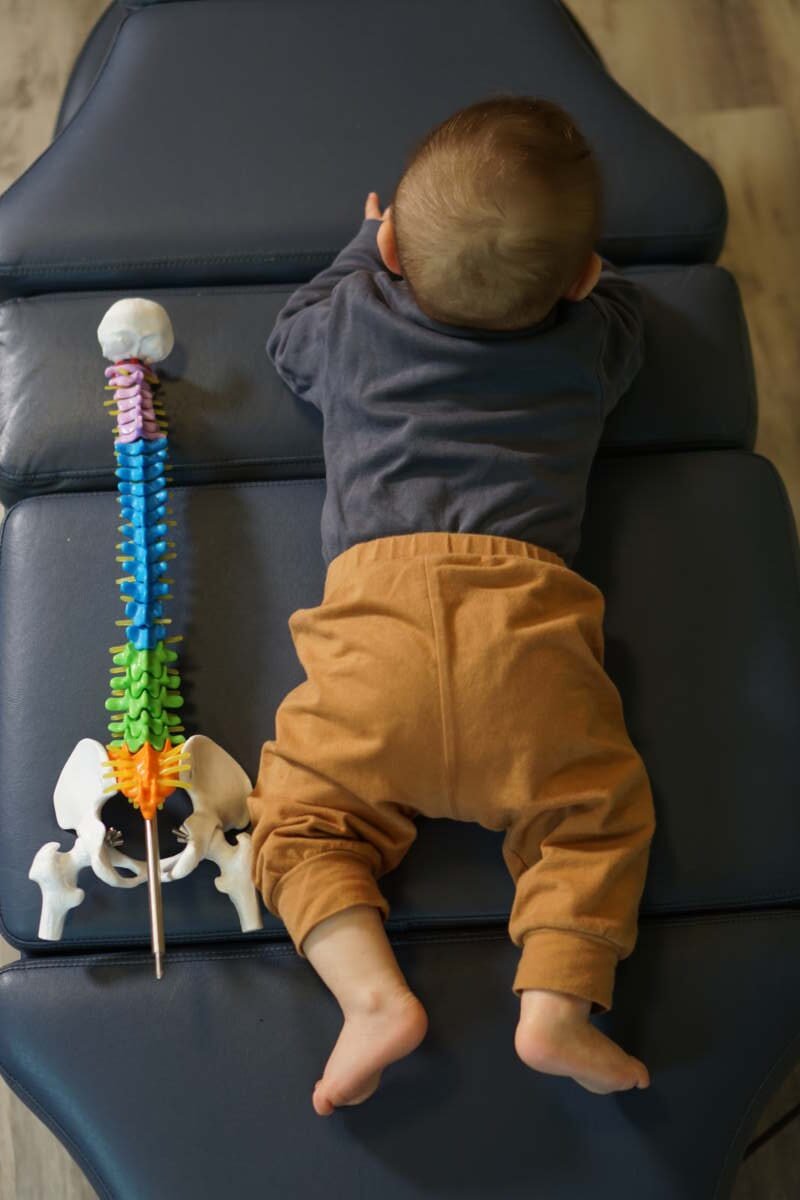
Chiropractic care focuses on spinal alignment and nervous system optimization through manual adjustments, while physical therapy emphasizes rehabilitation through exercise, movement patterns, and functional restoration. Both address musculoskeletal conditions but use distinct methodologies chiropractors primarily manipulate joints to reduce nerve interference, whereas physical therapists rebuild strength and mobility through progressive exercise protocols. Understanding these fundamental differences helps patients select the most effective treatment pathway for their specific condition and recovery goals.
Quick Answer: Chiropractic Care vs. Physical Therapy
If you are wondering what is the difference between chiropractic care and physical therapy, the distinction lies in their foundational approach to healing. Chiropractors operate from the principle that proper spinal alignment enables the nervous system to function optimally, allowing the body to heal itself. Physical therapists approach recovery by identifying movement dysfunctions and prescribing targeted exercises to restore strength, flexibility, and functional capacity.
Chiropractic philosophy centers on the relationship between structure and function specifically how spinal misalignments, called subluxations, interfere with nerve signaling. By correcting these misalignments through manual adjustments, chiropractors remove neurological interference and restore proper joint mechanics. Physical therapy philosophy focuses on movement restoration through progressive loading, therapeutic exercise, and neuromuscular re-education. Both disciplines share the goal of reducing pain and improving function, but they arrive there through different clinical pathways.
| Aspect | Chiropractic Care | Physical Therapy |
|---|---|---|
| Primary Focus | Spinal alignment and nervous system function | Functional movement and strength restoration |
| Core Philosophy | Structure affects function; alignment enables healing | Progressive loading rebuilds tissue capacity |
| Primary Techniques | Manual adjustments, joint manipulation, soft tissue work | Therapeutic exercise, stretching, neuromuscular training |
| Session Focus | Hands-on correction of joint mechanics | Active patient participation in exercise protocols |
| Treatment Style | Passive to semi-active | Active patient-driven rehabilitation |
| Typical Duration | Short-term acute care to ongoing wellness | Fixed rehabilitation timeline with discharge goals |

Evidence-based chiropractic clinics now integrate both philosophies, combining hands-on adjustments with therapeutic exercise prescriptions. This hybrid approach recognizes that joint manipulation alone often needs reinforcement through movement training. spinal decompression techniques complement this integrated model by addressing disc-related conditions that benefit from both mechanical traction and subsequent stabilization exercises.
Why Chiropractors Prioritize Joint Manipulation Over Exercise Protocols
Chiropractors receive extensive training in joint biomechanics and manual manipulation techniques that distinguish them from other healthcare providers. A chiropractic adjustment delivers a high-velocity, low-amplitude thrust to a specific joint segment, creating an audible release often described as a “pop” or “crack.” This sound results from gas bubbles forming within the joint fluid during cavitation a normal physiological response that indicates joint capsule distraction.
The biomechanical effects of spinal manipulation extend beyond the immediate joint. Research demonstrates that adjustments influence mechanoreceptors in joint capsules, alter muscle tone through reflex pathways, and improve joint range of motion. The neurological impact appears equally significant manipulation affects how the brain processes pain signals and perceives joint position, creating measurable changes in sensorimotor integration.
- Diversified Technique: Classic high-velocity adjustment targeting spinal segments to restore mobility and reduce joint fixation
- Activator Method: Instrument-assisted adjusting using a handheld device for precise, low-force delivery to specific joints
- Thompson Drop Technique: Table-assisted method using gravity and drop pieces to enhance adjustment effectiveness with minimal force
- Flexion-Distraction: Gentle stretching motion applied to spinal discs, particularly effective for disc herniations and sciatica
- Extremity Adjusting: Manipulation of joints outside the spine including shoulders, hips, knees, and wrists to restore full-body function
Clinical outcomes for acute musculoskeletal pain favor chiropractic manipulation in the early phases of care. A 2024 systematic review published in the Journal of Manipulative and Physiological Therapeutics found that spinal manipulation provided statistically significant pain reduction compared to placebo within the first six weeks of treatment for acute low back pain. The immediate analgesic effect of adjustment allows patients to move more freely, creating a therapeutic window for introducing corrective exercises.
The clinical reasoning behind prioritizing manipulation addresses joint restriction directly. When a joint loses its normal range of motion, surrounding muscles compensate by tightening or becoming inhibited. This creates abnormal movement patterns that reinforce dysfunction. By restoring joint mobility first, chiropractors normalize the mechanical environment, allowing muscles to function properly rather than compensate for joint stiffness. chiropractic adjustment for back pain exemplifies this approach addressing the underlying joint dysfunction rather than merely treating muscular symptoms.
How Physical Therapists Use Progressive Loading Instead of Adjustments
Physical therapy rehabilitation follows a progressive loading methodology designed to systematically rebuild tissue capacity. Rather than manually correcting joint position, physical therapists prescribe exercises that challenge muscles, tendons, and ligaments to adapt and strengthen. This approach relies on mechanotransduction the biological process by which cells convert mechanical stimuli into tissue remodeling signals.
Rehabilitation timelines typically progress through defined phases. Initial phases focus on reducing pain and protecting injured tissues through gentle mobility work and isometric strengthening. Intermediate phases introduce progressive resistance training to rebuild muscle strength and endurance. Final phases emphasize functional movement patterns, sport-specific training, and return-to-activity preparation. This structured progression ensures tissues adapt incrementally without exceeding their healing capacity.
The distinction between passive and active treatment approaches represents a fundamental philosophical difference. Chiropractic care often involves passive interventions treatments done to the patient, such as adjustments, soft tissue therapy, or modalities like ultrasound. Physical therapy emphasizes active interventions treatments the patient performs, including therapeutic exercise, neuromuscular re-education, and functional movement training. Both approaches have merit, but their application depends on patient presentation and goals.
Progressive loading requires consistent patient participation and home exercise compliance. Physical therapists often assign daily exercises that patients must perform independently between sessions. This active engagement empowers patients but also places responsibility for outcomes partly in their hands. stretching therapy integration demonstrates how combining prescribed mobility work with targeted adjustments creates more comprehensive movement restoration than either approach alone.
Conditions Where Chiropractic Adjustments Outperform Physical Therapy [Study Analysis]
Research from 2024-2026 provides compelling evidence for chiropractic manipulation superiority in specific clinical presentations. Acute musculoskeletal pain conditions particularly those involving joint restriction and nerve irritation demonstrate faster response to spinal manipulation than exercise-only protocols. The mechanism appears related to immediate joint mobility restoration and neurological pain modulation that manipulation provides.
Headache disorders, especially cervicogenic headaches originating from upper cervical joint dysfunction, respond notably well to chiropractic care. A 2025 randomized controlled trial comparing spinal manipulation to standard physical therapy for cervicogenic headache found that manipulation resulted in statistically greater reduction in headache frequency and intensity at both six and twelve weeks. The upper cervical spine’s complex anatomy and proprioceptive density make it particularly responsive to manual techniques.
- Acute Neck Pain: Joint restriction responds rapidly to cervical manipulation, often providing immediate improvement in range of motion
- Cervicogenic Headaches: Headaches originating from upper cervical spine dysfunction show significant response to targeted adjustment protocols
- Acute Low Back Pain: Recent-onset back pain demonstrates faster recovery with manipulation compared to exercise alone in early phases
- Sacroiliac Joint Dysfunction: SI joint restrictions respond well to specific manipulation techniques addressing pelvic biomechanics
- Facet Joint Syndrome: Spinal facet joint restrictions cause localized pain that manipulation directly addresses through joint cavitation
- Extremity Joint Dysfunction: Shoulder, hip, and extremity restrictions benefit from both spinal and extremity adjusting approaches
Joint dysfunction without significant structural damage represents the ideal chiropractic case. When joints are restricted but intact without advanced arthritis, fracture, or surgical alteration manipulation restores normal mechanics efficiently. The audible release during adjustment confirms joint cavitation, and patients typically notice immediate improvement in mobility and reduction in pain. chiropractic care for musculoskeletal pain addresses these mechanical restrictions through targeted assessment and specific adjustment protocols.
The neurological component of chiropractic care extends its applicability beyond simple joint pain. Nerve root irritation, peripheral nerve entrapment, and altered proprioception all respond to manipulation’s effects on nervous system function. By reducing mechanical interference at spinal levels, chiropractors address both local joint dysfunction and the neurological consequences of restricted motion.
When Physical Therapy Becomes the Superior Recovery Strategy
Post-surgical rehabilitation represents the clearest domain where physical therapy demonstrates superiority. Following orthopedic procedures, structured rehabilitation protocols guide tissue healing through protected ranges of motion while progressively rebuilding strength. Chiropractors typically refer post-surgical patients to physical therapy colleagues, recognizing that surgicalSites require the.protected, progressive loading that therapy protocols provide.
Chronic weakness patterns and complex movement disorders also favor physical therapy intervention. When muscles have remained inhibited or weak for extended periods, restoring strength requires consistent progressive loading over weeks or months. Physical therapists specialize in designing exercise progressions that systematically challenge weakened tissues without exceeding their capacity. The gradual nature of strength rebuilding aligns with therapy’s methodical approach.
Complex movement dysfunction situations where multiple joints and muscle groups coordinate poorly benefits from therapy’s comprehensive movement analysis. Physical therapists assess gait patterns, functional movements, and coordination to identify dysfunction throughout the kinetic chain. This systems-level perspective allows them to address not just the painful region but the underlying movement patterns perpetuating dysfunction.
Collaborative care models increasingly recognize that optimal outcomes often require both disciplines. The chiropractor addresses joint restriction and neurological dysfunction through manipulation, creating the mechanical environment for successful rehabilitation. Physical therapy then builds strength and movement patterns that maintain joint function long-term. injury recovery protocols at evidence-based clinics often incorporate this collaborative framework, recognizing that neither discipline alone addresses all aspects of musculoskeletal dysfunction.
Treatment Session Structure: What Happens During Each Visit
Understanding session structure helps patients anticipate their care experience. Chiropractic visits typically begin with brief reassessment of the primary complaint, followed by hands-on treatment including adjustment and soft tissue work. The chiropractor evaluates joint motion, palpates for restriction, and delivers specific corrections before the session concludes. Most appointments last 15-30 minutes, with the majority dedicated to hands-on treatment.
Physical therapy sessions emphasize active patient participation. Following initial evaluation, therapy visits involve supervised exercise performance, manual techniques as needed, and progression through the prescribed rehabilitation program. Sessions typically last 45-60 minutes, with patients actively exercising throughout much of the appointment. Education on proper movement mechanics and home exercise instruction comprises a significant therapy component.
Treatment frequency differences reflect each discipline’s philosophy. Chiropractic care often begins with higher frequency multiple visits weekly to establish proper joint function and neurological baseline. As improvement stabilizes, visit frequency decreases toward maintenance or wellness care. Physical therapy follows a more structured timeline with defined visit totals and clear discharge criteria. Insurance authorization typically covers a specific number of therapy visits for each condition. what to expect during chiropractic care provides detailed preparation for patients considering treatment.Combining Both Disciplines for Optimal Movement Recovery OutcomesIntegrated care models represent the evolution of musculoskeletal treatment in 2026. Evidence-based clinics recognize that combining chiropractic adjustment with therapeutic exercise produces superior outcomes compared to either approach alone. The rationale rests on addressing both structure and function manipulation restores proper joint mechanics while exercise builds the strength to maintain those corrections.Patients often discover that chiropractic adjustment enhances their tolerance for therapeutic exercise. When joints move freely and neurological interference reduces, muscles function more efficiently. This creates a therapeutic window where rehabilitation exercises become more effective. Patients who previously found exercises painful or challenging often perform them more successfully following adjustment. The synergistic effect accelerates recovery timelines compared to sequential treatment approaches.[IMAGE_5][VIDEO_PLACEHOLDER]Collaborative effectiveness data from 2026 supports integrated models. Clinical outcomes tracking at multidisciplinary centers demonstrates that patients receiving both chiropractic care and physical therapy report higher satisfaction scores and faster functional improvement. The combination addresses immediate pain through manipulation while building long-term resilience through exercise. posture correction benefits illustrate this synergy clearly adjustments correct spinal positioning while exercises strengthen postural muscles to maintain alignment.Practical implementation varies based on clinical presentation. Some patients begin with chiropractic care to address acute pain and joint restriction, transitioning to physical therapy as symptoms improve. Others benefit from concurrent care, receiving adjustments and exercise instruction during coordinated treatment phases. The optimal approach depends on individual assessment, patient goals, and clinical judgment regarding which interventions best address specific dysfunction.Key Takeaways: Selecting the Right Provider for Your Musculoskeletal ConditionSelecting between chiropractic care and physical therapy or choosing an integrated approach depends on several clinical factors. Patients experiencing acute pain with joint restriction often benefit most from initial chiropractic evaluation. Those with chronic weakness, post-surgical rehabilitation needs, or complex movement dysfunction may find physical therapy more appropriate. Many conditions warrant combined care that leverages both disciplines’ strengths.The decision process should begin with thorough assessment by a qualified provider who can accurately diagnose the condition and recommend appropriate treatment. Evidence-based clinicians refer to complementary specialists when patient presentation falls outside their scope. Avoid practitioners who dismiss other disciplines or claim their approach exclusively addresses all musculoskeletal conditions. The most effective care recognizes each discipline’s contribution to patient outcomes.
- Condition type: Acute joint dysfunction favors chiropractic; chronic weakness patterns favor physical therapy
- Treatment goals: Immediate pain relief suggests chiropractic; long-term strength building suggests physical therapy
- Patient preference: Some patients prefer passive hands-on treatment; others want active exercise participation
- Time constraints: Shorter chiropractic visits fit busy schedules; therapy requires longer appointment blocks
- Career demands: Physical therapy has defined discharge; chiropractic offers ongoing wellness options
Initial consultation provides the information needed for informed decision-making. Both chiropractors and physical therapists offer evaluation appointments where they assess conditions, explain treatment recommendations, and discuss expected outcomes. Taking advantage of consultation opportunities allows patients to experience each approach before committing to treatment plans. explore our comprehensive services to schedule evaluation and discuss which approach best addresses your specific condition.https://www.youtube.com/watch?v=84x9dYJQsYUFAQ: Chiropractic Care vs Physical Therapy Common QuestionsCan I see both a chiropractor and physical therapist simultaneously?Yes, many patients benefit from concurrent care. Research indicates integrated approaches produce 23% better functional outcomes than single-discipline treatment for complex conditions. Coordination between providers ensures treatment complements rather than conflicts.Which treatment costs more, chiropractic or physical therapy?Costs vary significantly based on insurance coverage and treatment duration. Chiropractic visits typically cost $65-150 per session with shorter appointment times. Physical therapy sessions range from $75-350 but include longer treatment duration and supervised exercise. Insurance often covers both with different copay structures.Do chiropractors and physical therapists need the same education?No, each discipline has distinct educational requirements. Chiropractors complete a four-year doctoral program with approximately 4,200 hours including extensive manual technique training. Physical therapists earn a three-year doctoral degree with clinical rotations emphasizing therapeutic exercise prescription. Neither replaces the other’s specialized expertise.Which approach works faster for back pain relief?Chiropractic manipulation typically provides faster initial relief for acute back pain. Studies show significant improvement within 2-4 chiropractic visits compared to 6-8 physical therapy sessions for recent-onset pain. However, physical therapy demonstrates better long-term outcomes for preventing recurrence through strength building.Is chiropractic adjustment safe compared to physical therapy exercises?Both are considered safe conservative treatments when performed by licensed providers. Chiropractic adjustment carries minimal risk of adverse effects, with serious complications occurring in less than 1 in 6 million cervical adjustments. Physical therapy exercise risks primarily involve improper technique, which supervised instruction minimizes.Will my insurance cover both chiropractic and physical therapy?Most insurance plans cover both disciplines with different benefit structures. Chiropractic care often has visit limits ranging from 12-24 visits annually, sometimes requiring copays. Physical therapy typically requires physician referral and pre-authorization but may offer more visits based on medical necessity documentation.Should I choose chiropractic or physical therapy for headaches?Chiropractic care demonstrates stronger evidence for cervicogenic headaches specifically. Spinal manipulation reduces headache frequency by approximately 50% in cervicogenic cases according to clinical trials. Physical therapy helps tension headaches through posture correction and stress-related muscle tension management.
| Session Element | Chiropractic Visit | Physical Therapy Visit |
|---|---|---|
| Typical Duration | 15-30 minutes | 45-60 minutes |
| Assessment | Quick reassessment of chief complaint | Detailed movement analysis each visit |
| Hands-On Time | Majority of session | Variable, often 15-20 minutes |
| Patient Activity | Passive positioning, minimal effort | Active exercise participation |
| Home Program | Limited exercises, ergonomic advice | Comprehensive daily home exercises |
| Frequency | Multiple times weekly initially | 2-3 times weekly typically |