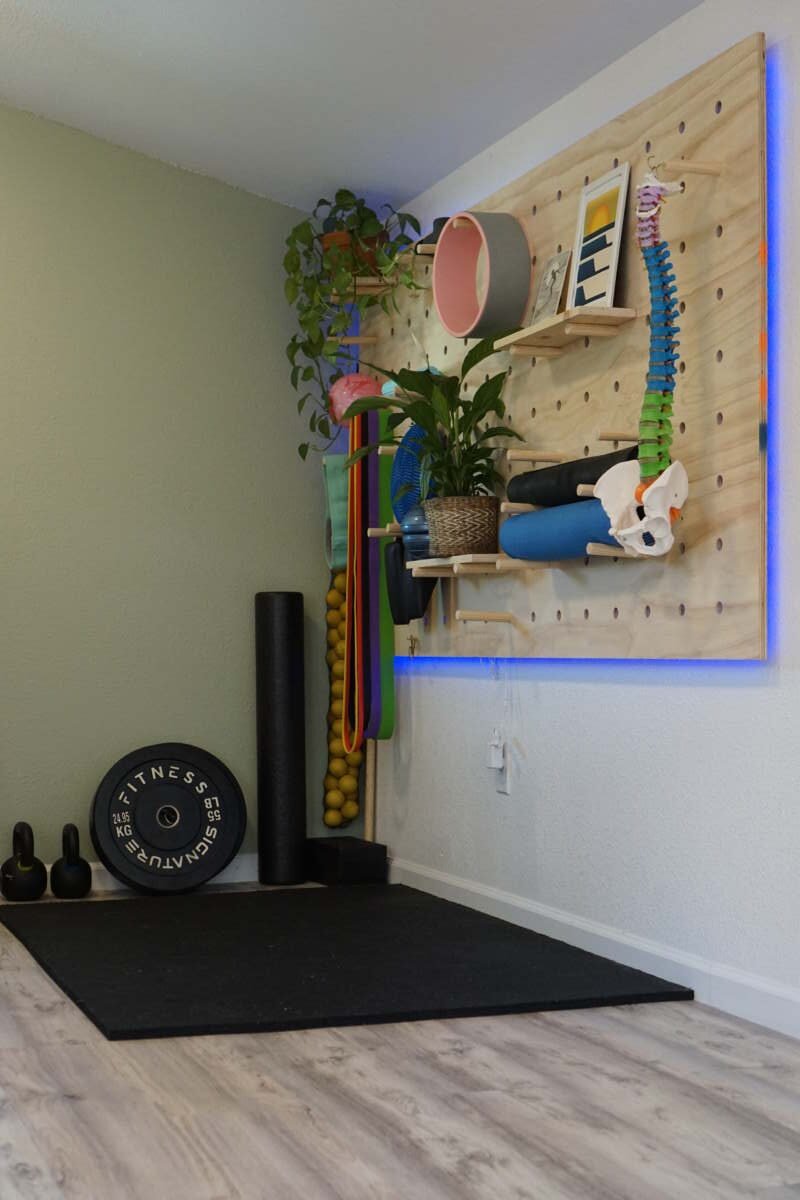
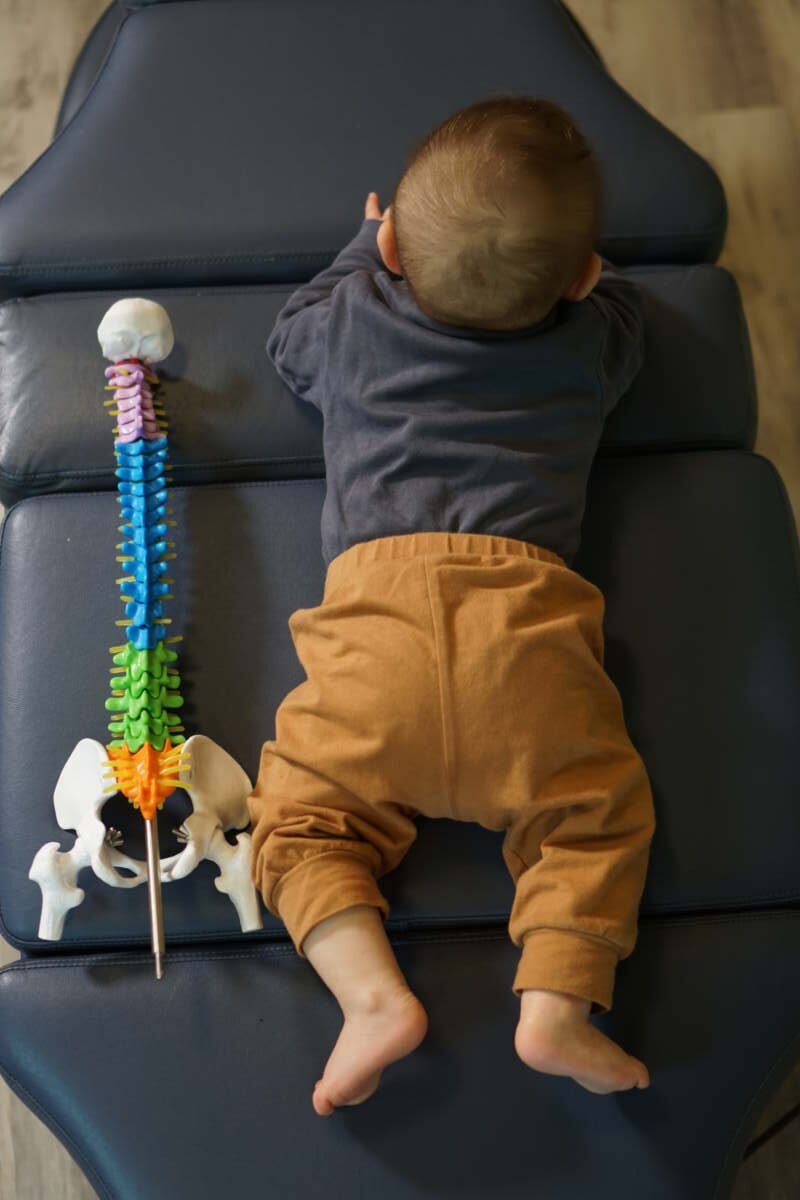
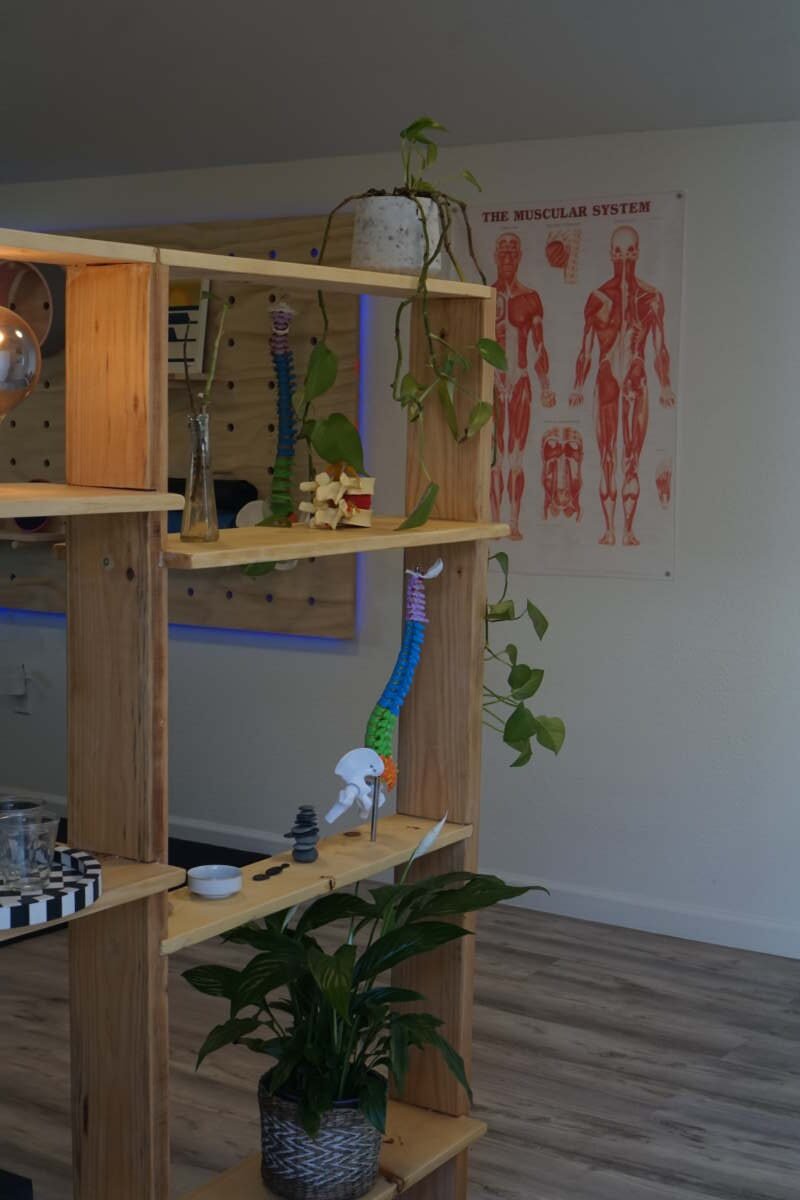
Chiropractic rehabilitation is a structured, evidence-based approach that combines spinal adjustments, soft tissue techniques, and corrective exercises to restore movement, reduce pain, and rebuild functional capacity. Unlike passive pain management, this method actively addresses the underlying biomechanical dysfunction retraining your body to move correctly, prevent re-injury, and return to daily activities or athletic performance. It’s personalized recovery designed to help you move better, heal faster, and stay healthier long-term.
Quick Answer: Chiropractic Rehabilitation Defined
So, what is the meaning of chiropractic rehabilitation in practical terms? It’s a comprehensive therapy model that merges traditional chiropractic adjustments with active rehabilitation strategies to treat the root cause of musculoskeletal issues rather than just masking symptoms. This approach moves beyond the adjustment table, incorporating corrective exercises and soft tissue work to create lasting change in how your body moves and functions.

Think of it this way traditional chiropractic care might realign a joint, but chiropractic rehabilitation ensures that joint stays aligned by strengthening the surrounding musculature and correcting movement patterns. This functional restoration therapy targets the “why” behind your pain, whether that’s poor posture, muscle imbalances, or improper biomechanics developed over years.
The goal isn’t temporary relief. It’s functional recovery helping you regain the ability to perform daily tasks, return to sports, or simply move without constant discomfort. Patients receiving comprehensive chiropractic services often find that this integrated approach leads to more sustainable outcomes compared to passive treatments alone.
The Three Core Components of Rehabilitation Chiropractic Care
Chiropractic rehabilitation isn’t a single treatment. It’s a coordinated system combining three distinct but interconnected approaches. Each component addresses a different aspect of your musculoskeletal health, and when used together, they create a powerful framework for recovery and performance optimization.
Spinal Adjustments and Joint Mobilization
The foundation of rehabilitation chiropractic care remains the chiropractic adjustment controlled, precise forces applied to joints that have become restricted or misaligned. These adjustments restore proper joint mechanics, reduce nerve irritation, and create an optimal environment for healing. But in a rehabilitation context, adjustments serve a dual purpose: they provide immediate symptom relief while preparing your body for the active work that follows.
Soft Tissue Therapy
Muscles, tendons, ligaments, and fascia often develop adhesions, scar tissue, or chronic tension patterns that adjustments alone can’t address. Soft tissue techniques including myofascial release, instrument-assisted soft tissue mobilization, and targeted massage break down these restrictions. This improves blood flow, reduces muscle guarding, and increases flexibility, making your corrective exercises more effective. Stretching therapy complements chiropractic treatments by addressing tightness that might otherwise pull joints back out of alignment.
Corrective Exercises and Functional Training
This is where rehabilitation chiropractic care truly distinguishes itself. Corrective exercises are prescribed movements designed to strengthen weak muscles, improve coordination, and retrain faulty movement patterns. These aren’t generic gym exercises they’re specific to your biomechanical needs, progressing in difficulty as your function improves. According to Unnus, recent statistics show that in 2022, 11.0% of U.S. adults used chiropractic care, with the vast majority seeking relief from musculoskeletal complaints that benefit from this multifaceted approach.
| Component | Primary Purpose | Example Conditions Treated |
|---|---|---|
| Spinal Adjustments | Restore joint alignment and mobility, reduce nerve interference | Disc herniations, facet syndrome, sciatica, neck pain |
| Soft Tissue Therapy | Release adhesions, reduce muscle tension, improve flexibility | IT band syndrome, plantar fasciitis, rotator cuff strains |
| Corrective Exercises | Strengthen supporting muscles, retrain movement patterns | Chronic low back pain, postural dysfunction, sports injuries |
How Chiropractic Rehabilitation Differs from Standard Adjustments
Many patients assume all chiropractic care is the same lie on the table, get adjusted, feel better. But rehabilitation-focused chiropractic care represents a fundamental philosophical shift from passive to active treatment. Understanding this difference helps you choose the approach that matches your goals.
Standard chiropractic adjustments focus primarily on symptom relief. You arrive with pain, the chiropractor adjusts the affected area, and you experience improvement. This passive approach can be highly effective for acute issues or temporary flare-ups. However, without addressing the underlying movement dysfunction, symptoms often return.
Chiropractic rehabilitation, by contrast, embraces an active care model. The adjustment is just the starting point. What follows is progressive loading carefully calibrated exercises that build strength, stability, and proper motor control around the adjusted joints. This progressive rehabilitation approach means you’re not just receiving treatment; you’re participating in your recovery.
According to Springer, chiropractors are increasingly recognized as valuable contributors to multidisciplinary rehabilitation teams, particularly in postoperative settings and sports injury management a shift that reflects this more comprehensive treatment philosophy.
- Active vs. Passive: Standard adjustments treat you; rehabilitation teaches you to treat yourself through exercise and movement correction.
- Duration: Traditional care often involves shorter, frequent visits; rehabilitation programs follow phased protocols over weeks or months.
- Assessment: Rehabilitation includes functional movement screening, strength testing, and biomechanical analysis beyond standard examination.
- Goals: Symptom relief versus functional restoration pain reduction is a milestone, not the destination.
- Outcome: Temporary improvement versus lasting change through motor pattern retraining.
Who Benefits Most from Rehabilitation-Focused Chiropractic Care?
Chiropractic rehabilitation serves a broad patient population, but certain groups see particularly dramatic results. Identifying whether you fit these profiles helps determine if this approach aligns with your needs.
Athletes and Active Individuals
Sports-related injuries from ACL strains to rotator cuff tendinopathy rarely resolve with passive treatment alone. Athletes need to return to sport with full function, not just pain-free existence. Rehabilitation chiropractic care bridges the gap between injury recovery and performance, incorporating sport-specific movements that prepare your body for the demands of training and competition.
Individuals with Chronic Pain
Chronic low back pain, neck pain, and repetitive strain injuries often stem from years of compensatory movement patterns. Breaking these patterns requires more than weekly adjustments. A structured corrective chiropractic treatment program progressively retrains your musculoskeletal system, addressing the root dysfunction rather than perpetually managing symptoms.
Office Workers and Remote Professionals
Sedentary work creates predictable issues: forward head posture, thoracic kyphosis, weak gluteal muscles, chronically tight hip flexors. These postural dysfunctions respond exceptionally well to rehabilitation protocols that combine ergonomic education, soft tissue work, and targeted strengthening.
Postpartum Women
Pregnancy and childbirth dramatically alter core stability, pelvic alignment, and spinal mechanics. Postpartum rehabilitation chiropractic care helps restore diastasis recti resolution, pelvic floor function, and lumbar stability during this critical recovery period.
According to data from Gitnux, in 2022, 11.0% of U.S. adults used chiropractic care, with 85.7% of these users seeking treatment specifically for musculoskeletal conditions highlighting just how prevalent these issues are across the general population.
| Patient Profile | Primary Concerns | Rehabilitation Focus |
|---|---|---|
| Athletes | Sports injuries, performance optimization | Sport-specific conditioning, return-to-play protocols |
| Chronic Pain Patients | Persistent back/neck pain, recurring issues | Motor pattern retraining, core stabilization |
| Office Workers | Postural strain, tension headaches | Ergonomic correction, upper back strengthening |
| Postpartum Women | Core weakness, pelvic instability | Diastasis repair, pelvic floor rehabilitation |
Step-by-Step: What to Expect in a Chiropractic Rehabilitation Program
Understanding the rehabilitation process alleviates uncertainty and helps you commit fully to your recovery. While every program is individualized, most follow a predictable structure designed to progressively build function.
- Comprehensive Initial Assessment: Your chiropractor performs a thorough examination including movement analysis, strength testing, orthopedic评估, and discussion of your goals and lifestyle demands.
- Diagnosis and Goal Setting: Based on findings, your chiropractor establishes a clear diagnosis and collaborates with you to define measurable functional objectives whether that’s running a 5K or simply gardening without pain.
- Acute Phase Treatment: Initial care focuses on pain reduction and inflammation control through adjustments, soft tissue techniques, and gentle mobility work while symptoms settle.
- Corrective Exercise Introduction: As pain subsides, your chiropractor introduces foundational exercises addressing your specific weaknesses and movement restrictions.
- Progressive Loading and Functional Integration: Exercises increase in complexity, loading, and specificity, eventually incorporating movements that mirror your daily activities or sports.
- Transition to Maintenance and Prevention: Once functional goals are achieved, you shift to a maintenance schedule with a home exercise program designed to sustain results and prevent re-injury.
Programs for recovering from injuries with chiropractic care typically span 6-12 weeks depending on condition severity, though chronic conditions may require longer-term management.
Evidence Supporting Chiropractic Rehabilitation for Chronic Pain and Mobility
Modern chiropractic rehabilitation isn’t based on tradition alone. A growing body of clinical research supports its effectiveness, particularly for chronic musculoskeletal conditions that have traditionally challenged healthcare providers.
Low back pain remains one of the most common reasons patients seek chiropractic care, and the evidence for rehabilitation-focused approaches is compelling. According to Zipdo, a 2023 Cochrane review demonstrated that chiropractic care can improve functional status in patients with chronic low back pain by 30-40% at 12 months post-treatment a significant improvement over baseline that underscores the lasting value of this approach.
The strength of chiropractic rehabilitation lies in its combination of modalities. Adjustments address joint dysfunction, soft tissue work resolves muscular restrictions, and corrective exercises build the strength and coordination necessary to maintain improvements. This multi-pronged strategy aligns with current best practices in musculoskeletal rehabilitation.
By 2026, clinical outcomes continue to reinforce that active rehabilitation outperforms passive treatment for most chronic conditions. Patients engaged in exercise-based rehabilitation report higher satisfaction, better functional outcomes, and reduced healthcare utilization compared to those receiving passive care alone.
Key Takeaways: Why Rehabilitation Matters in Modern Chiropractic
Chiropractic rehabilitation represents the evolution of chiropractic care from symptom management to functional restoration. It acknowledges that lasting recovery requires more than adjustment that retraining movement, building strength, and addressing the whole kinetic chain are essential for sustainable results.
An active rehabilitation chiropractor doesn’t just want you to feel better. They want you to move better, perform better, and stay that way. This philosophy resonates with patients tired of temporary fixes and ready to invest in long-term musculoskeletal health.
- Lasting Results: Address root causes rather than symptoms alone for sustainable improvement and reduced recurrence risk.
- Active Participation: Patient engagement through corrective exercises creates ownership of recovery and builds lifelong movement skills.
- Evidence-Based: Clinical research supports functional improvements of 30-40% for chronic low back pain at one-year follow-up.
- Versatility: Effective for diverse populations from athletes to office workers to postpartum women facing unique musculoskeletal challenges.
Frequently Asked Questions About Chiropractic Rehabilitation
Is chiropractic rehabilitation painful?
No. Most patients experience relief during treatment, though some corrective exercises may feel challenging as weak muscles strengthen. Your chiropractor monitors tolerance and progresses intensity gradually, ensuring exercises remain within your capacity while still creating therapeutic demand.
How long does a typical rehabilitation program last?
6-12 weeks on average. Acute injuries may resolve faster, while chronic conditions often require longer-term management. Your chiropractor provides a realistic timeline during your initial assessment based on your specific condition severity and functional goals.
Will insurance cover chiropractic rehabilitation?
Often yes. Most insurance plans cover chiropractic care, though coverage varies for rehabilitation components like therapeutic exercises. Contact your insurance provider for coverage details or speak with clinic staff who can verify benefits and explain out-of-pocket costs before treatment begins.
How is this different from physical therapy?
Philosophy and approach differ. Both use exercise and manual therapy, but chiropractic rehabilitation incorporates spinal adjustments as a core component and typically addresses overall neuromusculoskeletal function from a chiropractic perspective chiropractic care for lower back pain often involves this integrated model.
Do I need to do exercises at home?
Yes. Home exercise prescription is essential to rehabilitation success. Exercises performed during visits establish proper technique, but consistent home practice drives improvement between appointments and accelerates your recovery timeline significantly.
Can chiropractic rehabilitation help with sports performance?
Absolutely. Beyond injury recovery, rehabilitation improves biomechanical efficiency, identifies movement restrictions before they cause injury, and helps optimize performance. Many athletes incorporate chiropractic rehabilitation into their training year-round.