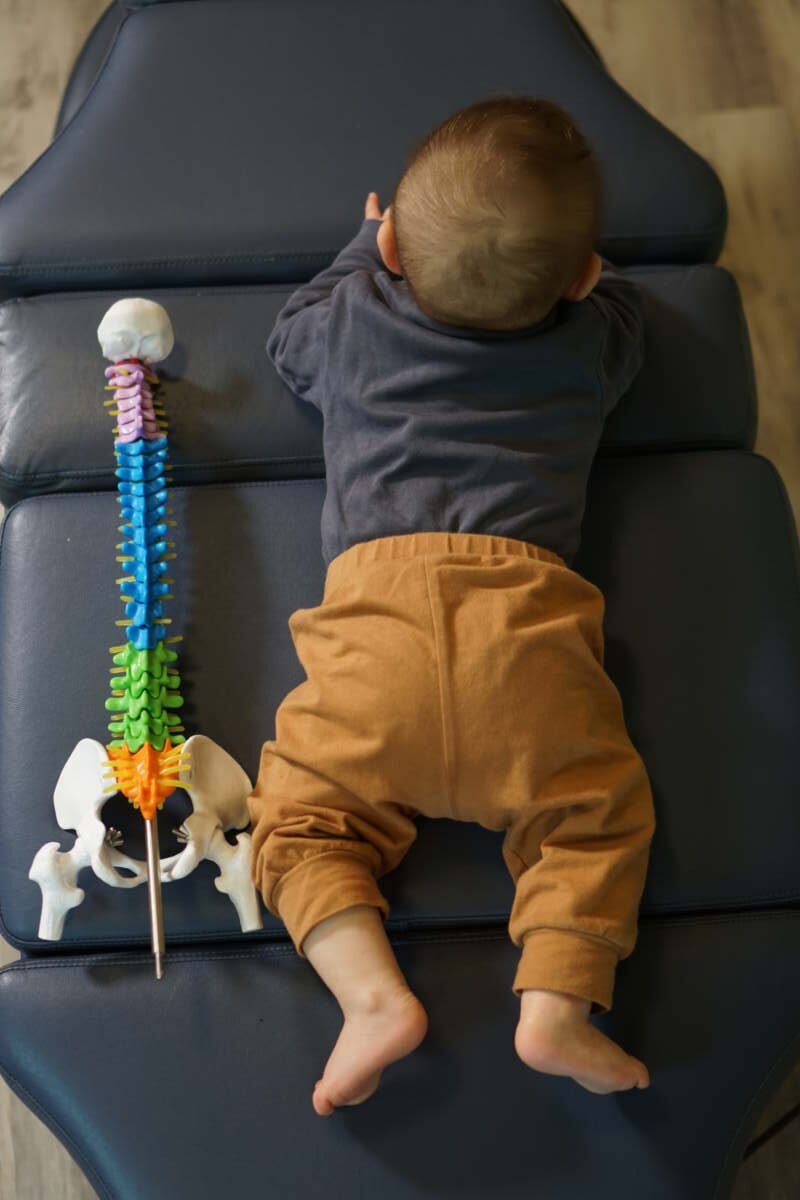
Walking into your first chiropractic appointment can feel unfamiliar but it doesn’t have to. At The Chiropractorr, your initial visit is a structured, one-on-one experience designed to uncover the root cause of your pain, not just manage its symptoms. From a detailed health history review to a hands-on physical assessment and personalized care plan, every step is built around you. Here’s exactly what happens and why it matters for your long-term recovery.
Quick Answer: Your First Chiropractic Visit in 60 Seconds
Your first chiropractic appointment at The Chiropractorr follows an evidence-based intake process that takes 45 to 60 minutes. According to F4cp, most initial consultations focus on understanding your pain history, current symptoms, lifestyle factors, and injury mechanism before any hands-on work begins. Here’s what unfolds:
- Intake & Health History You’ll complete digital forms covering past injuries, medications, family history, and symptom timeline
- One-on-One Consultation The chiropractor asks detailed questions about your pain, what makes it better or worse, and your health goals
- Physical Examination A thorough assessment of posture, range of motion, muscle strength, and neurological function
- Diagnostic Testing X-rays or orthopedic tests ordered only when clinically justified to guide your care plan
- Personalized Care Plan You receive a customized treatment roadmap combining adjustments, soft tissue therapy, and corrective exercises

This structured approach means you’ll walk out with clarity, not confusion. You’ll know exactly why you’re here, what’s driving your symptoms, and the specific steps needed to recover. Learn more about your visit and FAQs at The Chiropractorr to feel completely prepared.
Before You Arrive: Intake Forms, Health History, and What to Bring
Preparation matters. The moment you schedule your chiropractic consultation, The Chiropractorr sends you streamlined digital intake forms that you can complete from home. This saves time on visit day and lets your chiropractor hit the ground running with clinically relevant information rather than basic paperwork.
According to Yourbodyofhealth, most initial chiropractic consultations focus on gathering a complete health picture one that goes well beyond “where does it hurt?” Bring these items:
- Insurance card and photo ID Speeds up admin and benefits verification
- List of current medications Includes supplements, over-the-counter pain relievers, and prescription drugs
- Previous imaging reports If you’ve had X-rays, MRIs, or CT scans elsewhere, bring the records or imaging CD
- Detailed symptom timeline When did pain start? Did it come on suddenly or gradually? What were you doing?
- Notes on activity level Your typical workday, sports involvement, exercise routine, and any recent changes to activity
The Chiropractorr’s streamlined chiropractic intake process cuts through noise and focuses on what matters: your story, your pain, your goals. Knowing about a past car accident five years ago, or that you sit at a desk 8 hours daily, shapes every clinical decision. Understanding what a trusted chiropractor in Campbell looks for helps you show up ready.
The Physical Examination: Posture, Neurology, and Movement Screening Explained
Once paperwork is complete, you’ll enter the clinical exam room. This is where the detective work begins. Your chiropractor performs a musculoskeletal evaluation that’s far more detailed than you might expect and it’s designed to reveal patterns, not just points of pain.
According to Healthgrades, during your first visit you can expect a thorough physical examination that includes assessing your posture, range of motion, muscle strength, and neurological function. Here’s what each component reveals:
| Assessment Component | What It Measures | Why It Matters |
|---|---|---|
| Posture Analysis | Head position, shoulder height, spinal alignment, pelvic tilt | Poor posture amplifies pain and restricts movement; correcting it prevents future injury |
| Range of Motion (ROM) | How far your spine and joints bend, rotate, and flex in each direction | Limited ROM signals joint restriction, muscle tightness, or nerve involvement |
| Muscle Strength Testing | Resistance and power in key muscle groups supporting the spine | Weakness explains pain persistence and drives rehab exercise prescription |
| Neurological Function | Reflexes, sensation, coordination, and nerve root distribution | Detects nerve compression or dysfunction that requires immediate clinical attention |

The exam often includes hands-on spinal assessment work the chiropractor palpates (gently feels) your spine, ribs, and surrounding structures to locate restrictions, muscle tension, and areas of dysfunction. You’ll be asked to perform simple movements so the clinician can observe how your body compensates and where limitations live.
Diagnostic Tools Used: When X-Rays and Orthopedic Testing Actually Add Value
Not every first visit includes imaging. The Chiropractorr uses clinical reasoning to decide whether X-rays, MRI referrals, or orthopedic testing are warranted. This evidence-based approach protects your health and your wallet.
According to Chiroct, diagnostic tools are deployed when findings from your history and physical exam signal the need for more detail. Consider this:
- X-rays ordered when You’ve suffered trauma, have severe neurological signs, or your history suggests possible fracture, arthritis, or structural change that changes treatment approach
- Orthopedic tests screen for Specific joint dysfunctions, ligament injuries, or nerve root compression that guide manual therapy intensity and exercise selection
- MRI referral applies when Imaging shows nerve root involvement, disc herniation, or soft tissue injury beyond what chiropractic care alone can address
- Findings change the care plan by Ruling out red flags, confirming mechanical dysfunction, and justifying specific techniques or referrals to other specialists
The goal is clarity without unnecessary radiation or cost. Your chiropractor explains exactly why a test is ordered and what results will change your treatment. Learn more about how spinal decompression vs. chiropractic treatment for disc conditions informs whether imaging plays a role.
How The Chiropractorr Builds Your Personalized Treatment Plan on Day One
By the end of your first visit, all data converges: your history, exam findings, imaging (if ordered), and your health goals. Your chiropractor synthesizes this into a customized chiropractic treatment plan that blends multiple modalities for faster, more durable results.
- Spinal Adjustment Rationale The chiropractor explains which vertebrae need mobilization, why, and how adjustment restores motion and nervous system function
- Soft Tissue Therapy Role Targeted work on muscle, fascia, and ligaments reduces tension, improves blood flow, and accelerates healing alongside adjustments
- Corrective Exercise Prescription Specific exercises address the root cause (weak stabilizers, tight hip flexors, poor core endurance) so pain doesn’t return
- Visit Frequency Guidance Based on severity and your goals, you’ll receive a realistic schedule perhaps 2–3 times weekly initially, tapering as you improve
- Measurable Recovery Milestones Pain reduction targets, range of motion goals, and functional markers (like returning to sports or pain-free work) keep everyone aligned
This integrative approach sets The Chiropractorr apart. You’re not just getting adjustments; you’re getting the full range of services at The Chiropractorr a complete ecosystem designed to move you from pain to performance.
How to Prepare for Your First Adjustment: A Step-by-Step Patient Guide
Your first chiropractic adjustment might feel unfamiliar. Here’s exactly how to prepare and what to expect so you walk in calm and confident.
- Wear comfortable, loose-fitting clothing You may need to remove your shirt for the exam and adjustment; avoid tight jeans, belts, or heavy jewelry that restricts movement
- Arrive 10–15 minutes early This gives you time to settle in, review any remaining paperwork, and breathe deeply instead of rushing through the door
- Communicate your pain level honestly Use a 0–10 scale; tell your chiropractor if you’re nervous or have had bad experiences with adjustments elsewhere
- During the adjustment, stay relaxed Your chiropractor will position you and guide your body; trust the process and breathe normally; tensing makes the work harder
- Expect mild soreness for 24–48 hours Like a workout for your joints and muscles, slight achiness is normal and signals your body is responding; ice if needed, heat after 48 hours
- Schedule your follow-up before leaving Lock in your next visits so you stay on track; consistency matters far more than intensity for lasting results
The Chiropractorr prioritizes your comfort and communication. Your chiropractor will explain what’s happening step by step, show you on a spine model, and answer every question. Learn more about recovering from injuries with chiropractic care to see how first-visit preparation shapes your entire recovery arc.
The Chiropractorr vs. Main Street Chiropractic and Good Life Chiropractic: An Objective Comparison
The Chiropractorr operates in a competitive landscape with excellent local clinics like Main Street Chiropractic and Good Life Chiropractic. Both serve their communities well and maintain solid patient satisfaction. Here’s an honest look at how each clinic approaches first-visit care:
| Clinic | Treatment Approach | Sports Injury Specialization | Rehabilitation Integration | Evidence-Based Model |
|---|---|---|---|---|
| Main Street Chiropractic | Traditional spinal adjustments, some soft tissue work | General practice; not specialized | Referred exercises; limited in-clinic rehab | Established clinic with long track record |
| Good Life Chiropractic | Adjustments with wellness focus; family-oriented | Not primary focus; accepts all patients | Basic stretching; emphasis on prevention | Preventive health model; holistic approach |
| The Chiropractorr | Multi-modal: adjustments, soft tissue, corrective exercise, neuromotor rehab | Specializes in athlete recovery and sports injury; performance optimization | Integrated on-site rehab; measurable progression; functional return-to-activity | Evidence-based protocols; outcome tracking; personalized pain science education |
Main Street Chiropractic excels at accessibility and community trust they’ve built strong relationships and treat a broad patient base. Good Life Chiropractic brings a genuine wellness mindset and family-friendly approach. The Chiropractorr’s differentiation lies in depth: athletes and active adults with complex injuries benefit most from our integration of musculoskeletal evaluation, sports-specific rehab, and real-time outcome measurement. If your pain is acute and straightforward, Main Street or Good Life may serve you well. If you’re an athlete, chronically injured, or seeking measurable recovery milestones, The Chiropractorr’s specialized multi-modal model drives superior results.
Key Takeaways: What Your First Visit Signals About Your Recovery Timeline
Your first appointment is far more than an introduction it’s a clinical roadmap. What your chiropractor finds on day one predicts how quickly you’ll recover and whether your pain becomes chronic or resolves.
- A thorough intake prevents months of guesswork Identifying root causes (like poor ergonomics or weakness) versus symptoms (pain alone) accelerates healing
- Early diagnosis of structural or neurological involvement changes outcomes dramatically Catching nerve compression or disc involvement early justifies specific interventions before condition worsens
- Personalized plans outperform generic “one-size-fits-all” protocols Your rehab, adjustment frequency, and exercise load must match your body, job, and sport not a template
- Rehabilitation from day one prevents relapse Patients who start corrective exercises early report fewer flare-ups and don’t need ongoing maintenance care
- Most patients feel noticeably better after visit one Many report reduced pain, improved mobility, and relief after their first adjustment; this early win builds compliance and trust
Understanding this helps you commit to the process. Your first visit isn’t just a consultation it’s the foundation for long-term resilience. Learn how regular chiropractic adjustments prevent chronic back pain and set realistic expectations for your recovery arc.
FAQ: First Chiropractic Visit Questions Patients Actually Ask
Will the adjustment hurt or be uncomfortable?
No chiropractic adjustments are typically not painful, though you may feel pressure or hear a crack (cavitation). Many patients describe the sensation as relief; your chiropractor applies controlled force to restricted joints, which mobilizes them and reduces muscle guarding. Some patients with acute pain or high anxiety feel mild discomfort during the first adjustment, but it resolves immediately once the joint moves. The Chiropractorr educates you before any adjustment, shows you the movement on a spine model, and encourages you to communicate if anything feels wrong.
How long does my first chiropractic visit actually take?
Plan for 45 to 60 minutes for your complete first appointment. Initial visits take longer than follow-ups because your chiropractor must gather detailed history, perform a thorough physical exam, review any imaging, and discuss your care plan. Follow-up visits typically run 15–20 minutes. Building in extra time reduces stress and ensures your clinician isn’t rushed.
What should I wear to my first chiropractic appointment?
Wear loose, comfortable clothing that lets you move freely and allows easy access to your back. Avoid tight jeans, heavy belts, or thick sweaters. Many patients wear athletic wear or casual pants and a t-shirt. You may be asked to change into a gown for the adjustment, so choose something simple to remove. This small detail removes barriers to your exam and makes the experience more relaxed.
Will I receive treatment or just an examination on my first visit?
Most often, yes you’ll receive your first adjustment and soft tissue work during your first visit, not just an exam. Exceptions occur if imaging is ordered or specific red flags are suspected. The Chiropractorr’s protocol includes hands-on treatment because the combination of clinical information plus therapeutic response gives your chiropractor immediate insight into what helps you most.
Does my insurance cover the first chiropractic visit?
Coverage depends on your specific plan, but most major insurers cover chiropractic care with a co-pay or deductible. The Chiropractorr’s front desk verifies your benefits before your first visit so you know exactly what you’ll owe. We also work with patients on self-pay rates and payment plans if you’re uninsured or have high deductibles.
How many visits will I need after my first appointment?
That depends entirely on your condition, severity, and goals your chiropractor will discuss a realistic timeline during your first visit. Acute injuries might resolve in 4–8 visits; chronic pain or complex cases require longer care. Your chiropractor explains the rationale for each phase (acute, corrective, preventive) so you understand the full picture and can make an informed commitment.