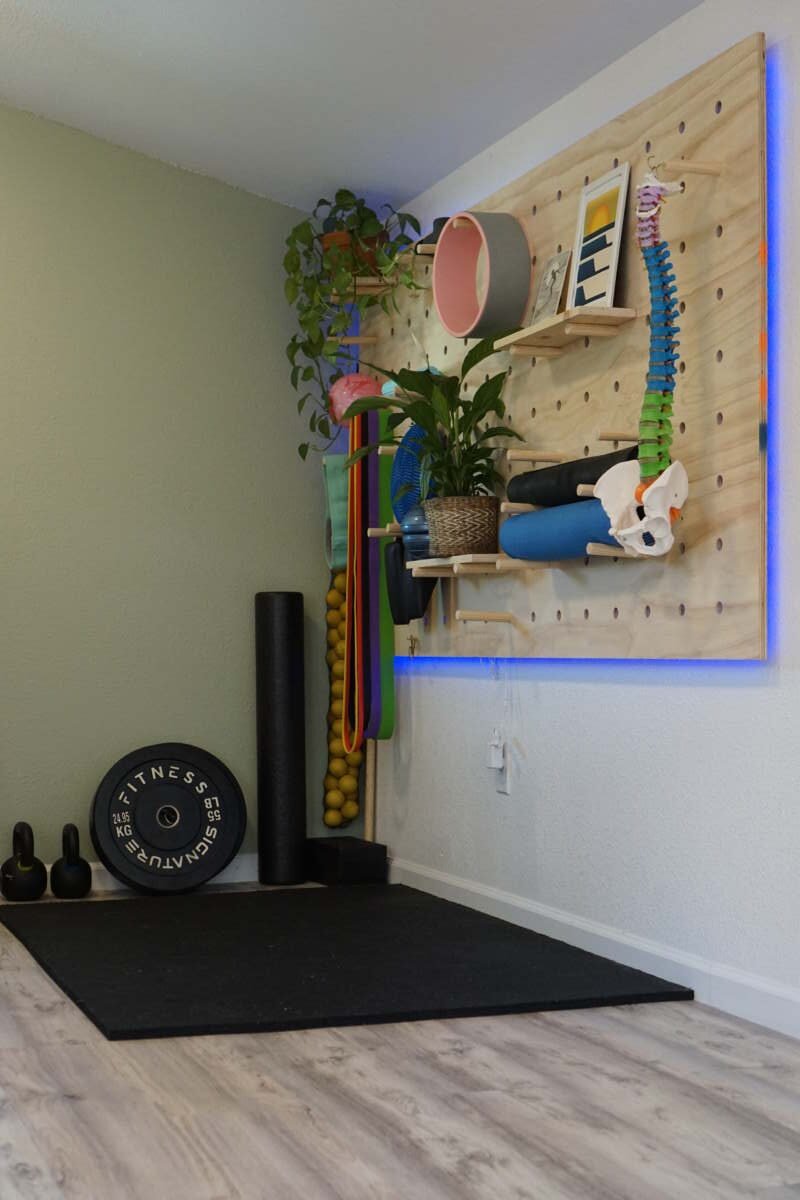
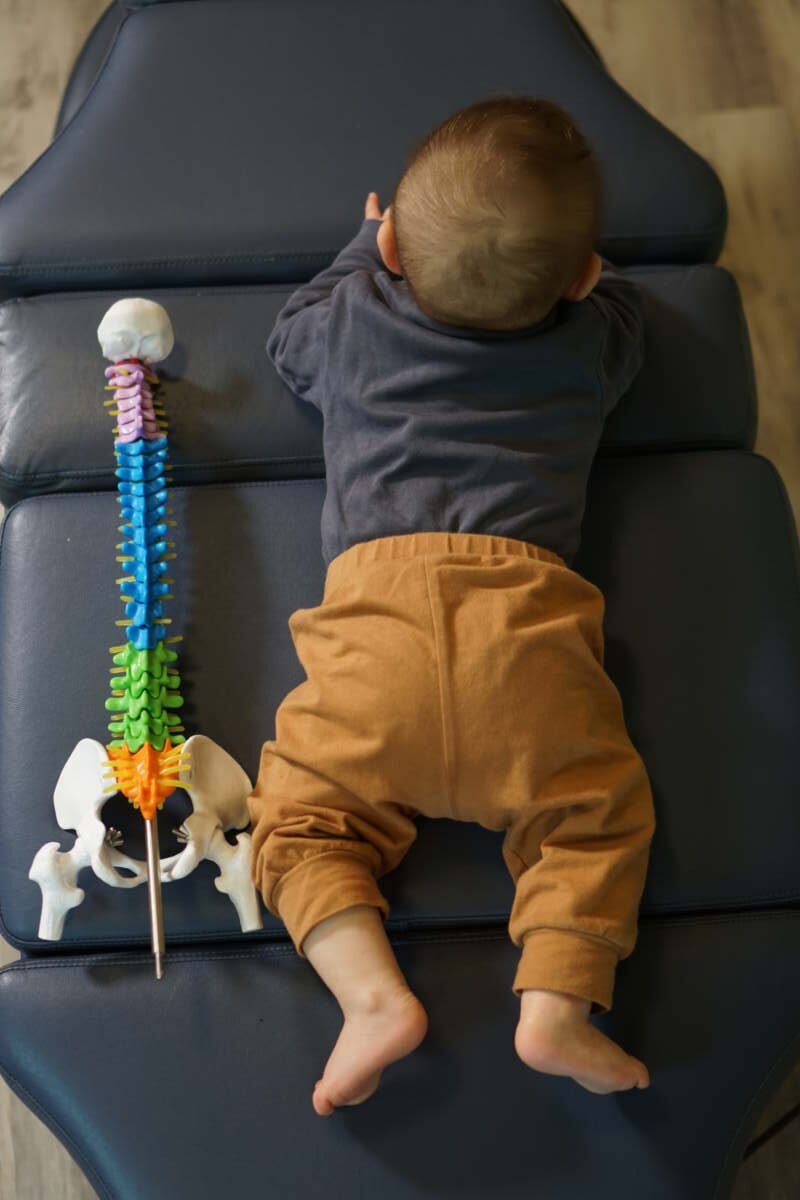
Corrective exercises amplify the effectiveness of chiropractic adjustments by reinforcing proper movement patterns, strengthening stabilizing muscles, and addressing the underlying neuromuscular imbalances that contribute to joint dysfunction. While adjustments restore mobility and alignment, targeted exercises train your body to maintain these corrections, prevent compensatory patterns, and build the muscular endurance necessary for long-term pain relief and functional improvement. This integrated approach transforms passive treatment into active, sustainable recovery.
Quick Answer: The Synergistic Relationship Between Adjustments and Exercise
Understanding how corrective exercises work alongside chiropractic treatment begins with recognizing that adjustments and exercise serve distinct but complementary roles. Chiropractic adjustments restore joint mobility and reduce neurological interference, while therapeutic exercises create the structural stability to hold those corrections. Without this dual approach, the benefits of spinal manipulation often fade as the body reverts to its habitual, dysfunctional patterns.
Passive treatments like adjustments feel great and provide immediate relief, but they do not retrain the muscles supporting your spine. Think of it this way: an adjustment puts the bone in the right place, but exercise teaches your body how to keep it there. When you combine manual therapy with structured comprehensive chiropractic services, you address both the hardware (joints) and the software (nervous system control) of your musculoskeletal system.

Research consistently shows that patients who combine spinal manipulation with active rehabilitation report better outcomes than those receiving manipulation alone. The synergy works because each modality fills the gap left by the other.
- Neurological Reset: Adjustments improve joint proprioception, allowing exercises to retrain accurate movement maps in the brain.
- Structural Support: Exercises strengthen the core and postural muscles that maintain spinal alignment between visits.
- Inflammation Management: Gentle movement promotes fluid dynamics, reducing swelling that adjustments alone cannot address.
- Long-Term Resilience: Active care builds physical capacity, reducing the likelihood of injury recurrence and dependency on passive treatment.
Why Joint Mobility Without Stability Creates Recurring Dysfunction
Many patients experience a frustrating cycle: they feel amazing after an adjustment, but within days, the stiffness and pain return. This recurring pattern often stems from a fundamental imbalance in the mobility-stability continuum. When a joint gains mobility through manipulation but lacks the muscular stability to control that new range of motion, the body instinctively tightens up to protect itself. It is a protective reflex that can undo the benefits of your treatment.
Stability is not just about strength. It is about motor control the ability of your nervous system to coordinate the right muscles at the right time. When you have chronic spinal issues, your deep stabilizers often “turn off” or become inhibited. Even if your larger global muscles are strong, they cannot effectively stabilize the spine without the fine-tuned control of these smaller local muscles.
Data from clinical outcomes in 2026 indicates that motor control deficits persist long after pain subsides, suggesting that feeling better does not always mean moving better. Addressing these deficits requires a targeted exercise approach alongside adjustment care.
| Outcome Measure | Adjustment Only | Adjustment + Corrective Exercise |
|---|---|---|
| Pain Relief Duration | 2-4 days | 2-3 weeks |
| Functional Mobility Improvement | 15-20% gain | 45-60% gain |
| Recurrence Rate (6 months) | High (65-70%) | Low (25-30%) |
| Patient Satisfaction | Moderate | High |
For those focused on preventing chronic back pain through regular adjustments, understanding that stability training is the anchor for mobility is essential. Without it, you are essentially borrowing flexibility without paying the stability tax.
Neuromuscular Re-Education: Retraining Movement After Misalignment
When a joint remains restricted for weeks or months, the nervous system adapts. It stops sensing that joint’s full range of motion and accepts the limited state as “normal.” This phenomenon, called sensory motor amnesia, means that even after an adjustment restores proper alignment, your brain may still try to move your body using the old, faulty patterns. Neuromuscular re-education is the process of rewriting these movement programs.
Proprioceptive deficits where your brain struggles to accurately sense joint position are common after long-standing dysfunction. Corrective exercises target these deficits by bombarding the nervous system with accurate sensory feedback. Slow, controlled movements force the brain to pay attention to what the joint is doing, helping it map the new range of motion provided by the adjustment.
This process involves distinct phases. First, isolated activation exercises wake up inhibited muscles like the deep neck flexctors or transversus abdominis. Once these muscles can fire on command, integration exercises teach them to fire during functional movements like squatting or lifting. This progression ensures that the stability you gain in the clinic transfers to real life, a cornerstone of successful injury recovery with chiropractic care.
The Four-Phase Integration Model Used at The ChiropractOrr
Exercise prescription is not a one-size-fits-all process. At The ChiropractOrr, corrective exercises are matched to the stage of healing and tolerance of the patient. Jumping into aggressive strengthening too early can actually worsen symptoms. The following model outlines how how stretching therapy complements chiropractic treatments and strengthening fit into a comprehensive recovery plan.
Study-backed frameworks suggest that a periodized approach prevents flare-ups and maximizes tissue adaptation. Here is how the typical progression unfolds:
- Phase One – Acute Management: Focus on pain relief, gentle mobility, and breathing. Avoid aggravating movements.
- Phase Two – Stabilization: Activate deep stabilizers and correct firing patterns. Low load, high precision.
- Phase Three – Strength Endurance: Build muscular endurance in postural muscles to hold corrected alignment.
- Phase Four – Functional Integration: Sport or task-specific training to prepare the body for real-world demands.
Timing matters. Phase one typically starts immediately after inflammation subsides, sometimes within days of the first adjustment. Phase two often coincides with the first few weeks of consistent care.
Phase One: Reducing Protective Muscle Guarding and Inflammation
When you are in acute pain, the last thing you want to do is move. However, complete rest is rarely the answer. Phase one focuses on gentle, non-threatening movements that calm the nervous system and reduce protective muscle guarding. This is a critical step for patients managing chronic pain with spinal adjustment who may be sensitive to activity.
Exercises in this phase often include diaphragmatic breathing, which activates the parasympathetic nervous system and reduces stress hormones. Gentle pelvic tilts or cat-cow stretches encourage fluid motion without loading inflamed tissues. The goal is not strengthening, but rather creating a sense of safety and movement competence.
A therapeutic window exists after an adjustment where the nervous system is more receptive to learning new patterns. Performing Phase One exercises within this window often a few hours post-adjustment can reinforce the mobility gained during the session and accelerate the transition to more active rehabilitation.
Phase Two: Activating Deep Stabilizers and Correcting Imbalances
Once pain is manageable, the focus shifts to stability. This phase targets the internal corset of muscles that support the spine, including the transversus abdominis and multifidus. Clinical data from 2026 highlights that patients with chronic low back pain show significant atrophy and fatty infiltration in the multifidus muscle, confirming the need for specific activation rather than generic core work.
Unlike traditional ab workouts, stabilization exercises focus on low load, long hold contractions. Think of holding a plank versus doing crunches. The former trains endurance, while the latter trains power. For spinal health, endurance is far more valuable because these muscles need to work all day, not just for a few seconds.
Addressing unilateral weakness is also vital. It is common for one side of the body to work harder than the other, creating rotational stress on the spine. Corrective exercises identify and isolate these weak links. This is especially important for posture correction, a key component of chiropractic posture correction for common conditions.
How Corrective Exercises Address the Root Cause of Spinal Stress
Pain is usually a symptom of a biomechanical breakdown elsewhere. A stiff hip forces the lower back to rotate excessively, leading to disc stress. A weak upper back causes the shoulders to roll forward, compressing the neck. Corrective exercises aim to find and fix these upstream drivers rather than just treating the painful area.
Movement screening reveals consistent patterns in patients with chronic pain. These dysfunctions are rarely random; they are predictable compensation chains that the body uses when it lacks options.
Identifying your specific dysfunction is the first step to breaking the cycle. When considering benefits of chiropractic adjustment over surgery, remember that surgery addresses the structure, but does not fix the movement pattern that caused the structure to fail in the first place.
- Lower Crossed Syndrome: Tight hip flexors and lower back muscles combined with weak glutes and abdominals create excessive lumbar lordosis.
- Upper Crossed Syndrome: Tight pecs and upper traps paired with weak deep neck flexensors and lower traps lead to forward head posture.
- Unilateral Extension Bias: Favoring one side during movements like standing or lifting causes asymmetric loading on facet joints.
- Glute Amnesia: Weak glutes force the hamstrings and lower back extensors to take over hip extension, leading to chronic strain.
- Thoracic Immobility: Stiffness in the upper back forces the cervical spine and shoulders to overcompensate, causing neck pain.
Functional Movement Training: From Clinic to Daily Life Performance
The ultimate goal of rehabilitation is not just to be pain-free, but to return to the activities you love with confidence. Functional movement training bridges the gap between isolated clinical exercises and the demands of your daily life. FAKTR chiropractic therapy for pain relief and functional restoration often go hand in hand, using specialized techniques to improve tissue tolerance during movement.
For an athlete, this might mean transitioning from isolated glute bridges to loaded squats or sprint drills within a controlled environment. For an office worker, it could look like posture cues and micro-breaks that reinforce spinal stability during long hours at a desk. The exercises must be relevant to your lifestyle to be effective.
Functional training emphasizes movement quality over quantity. It is about training the brain to recognize safe positions and automatically defaulting to them under stress or fatigue. This automation only comes through repetition and progressive overload.
Step-by-Step: Integrating Exercises Into Your Chiropractic Plan
Knowing what to do is one thing; knowing when and how to do it is another. Here is a simple roadmap for incorporating corrective exercises into your routine.
- Consult Your Chiropractor: Get a thorough movement screen and diagnosis before starting any exercise program.
- Start Immediately: Begin Phase One breathing and mobility exercises right away; do not wait for pain to disappear.
- Master the Basics: Focus on form and muscle activation before adding load or resistance.
- Frequency Matters: Do your corrective exercises daily at first to retrain neurological pathways.
- Progress Gradually: Add complexity and load only when you can perform the current level perfectly.
- Sync with Adjustments: Perform exercises shortly after adjustments to reinforce joint mobility.
- Monitor Symptoms: Note any increase in pain and report it so the plan can be modified immediately.
Key Takeaways: Maximizing Your Chiropractic Treatment Outcomes
The combination of chiropractic adjustments and corrective exercises is more than the sum of its parts. Analysis of treatment outcomes clearly favors a combined, active care approach over passive manual therapy alone. To get the most out of your care, consider the following strategies:
- Prioritize Compliance: Home exercises account for a significant portion of your recovery success; consistency is key.
- Communicate Openly: Tell your chiropractor if an exercise hurts so the dosage can be adjusted.
- Focus on Weak Links: Spend time on muscles you cannot feel working; that is usually where the problem lies.
- Be Patient: Re-training the nervous system takes weeks, not days, but the results are lasting.
- Embrace Active Care: View yourself as an active participant in your healing, not just a passive recipient.
Frequently Asked Questions About Corrective Exercises and Chiropractic Care
How soon after an adjustment should I do my corrective exercises?
Within a few hours. Performing your exercises shortly after treatment takes advantage of the “therapeutic window” when proprioception is improved. Movement helps the neuromuscular system recognize and hold the new alignment, solidifying the adjustment’s benefits before the body reverts to old patterns.
Are corrective exercises different from regular gym workouts?
Yes, significantly. While gym workouts often focus on global strength and cardio, corrective exercises target specific neuromuscular deficits and stabilizer muscles. They use lower loads and higher precision to reprogram movement patterns, correcting the root cause of dysfunction rather than just strengthening large muscle groups.
Will doing exercises reduce how often I need to see a chiropractor?
Yes, in most cases. Patients who adhere to structured exercise programs typically require fewer visits over time. By building the stability to hold adjustments longer, you extend the duration of relief between sessions, ultimately transitioning from acute care to wellness or maintenance visits.
What if I feel sore after doing my prescribed exercises?
Muscle fatigue is normal, joint pain is not. A dull, achy sensation in the muscles 24-48 hours after exercise is typical delayed onset muscle soreness. Sharp, shooting, or localized joint pain suggests the exercise was performed incorrectly or is too advanced for your current stage. Report this immediately.
How long do I need to keep doing corrective exercises?
Long-term maintenance is ideal. While acute issues may only require a few weeks of intensive work, functional movements should be maintained permanently. The goal is to integrate these exercises into your lifestyle, either as a warm-up, a daily micro-break, or part of your regular fitness routine.
Can I do corrective exercises at home or do I need special equipment?
Most are designed for home. The majority of neuromuscular re-education exercises rely on body weight, gravity, and minimal props like a stability ball or resistance band. This ensures you can perform them anywhere, making compliance easier and removing barriers to consistent practice.