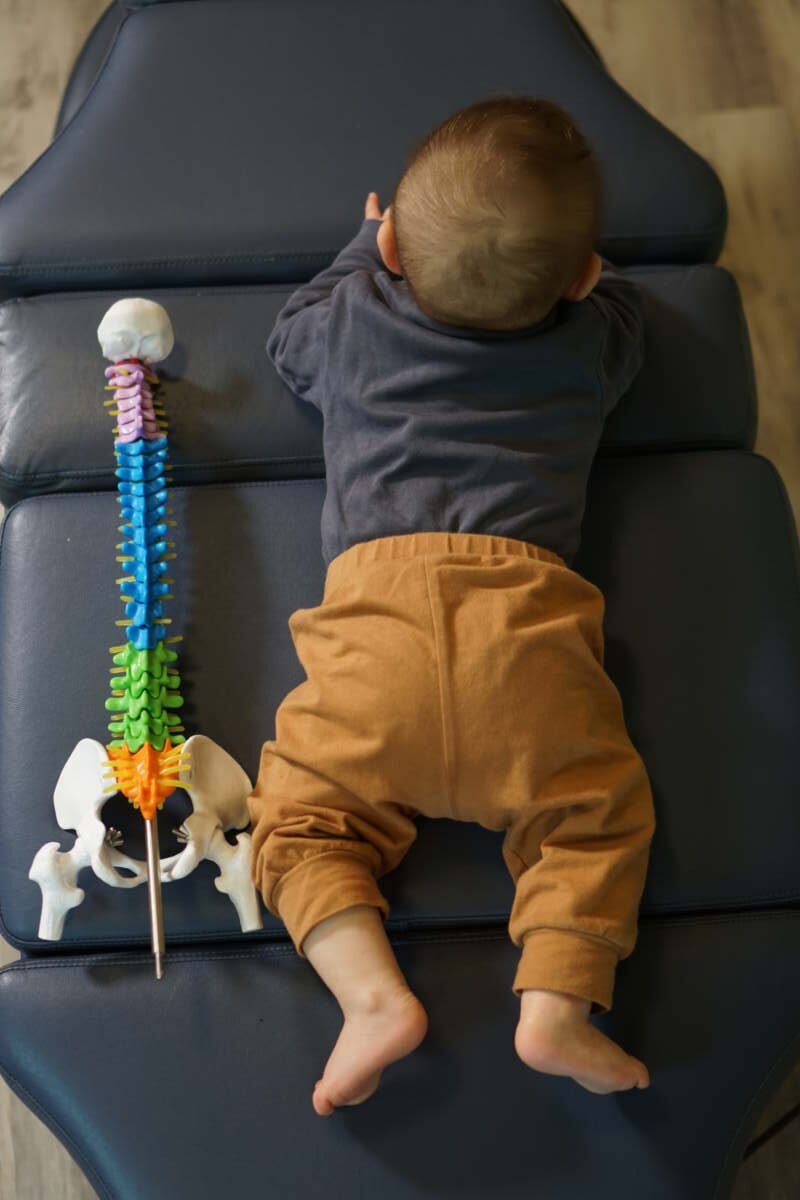
Chiropractic adjustments directly restore joint function, reduce neuromuscular restrictions, and improve biomechanical efficiency in patients with movement disorders. Through targeted spinal manipulation, soft tissue therapy, and corrective rehabilitation, evidence-based chiropractic care addresses the root causes of mobility limitations from joint fixation and proprioceptive deficits to compensatory movement patterns. The result is measurable improvement in range of motion, functional movement, and overall quality of life for individuals affected by chronic stiffness, coordination issues, and musculoskeletal dysfunction.
Quick Answer: How Chiropractic Adjustments Restore Movement Function
Patients asking whether chiropractic adjustments can improve mobility and movement disorders often seek immediate, practical answers before diving into complex neurological explanations. The short answer is yes chiropractic care addresses mobility limitations through multiple physiological mechanisms that work together to restore normal movement patterns.
- Joint Mobilization: Adjustments restore proper alignment and motion to restricted joints, directly improving the mechanical range of movement available to the patient.
- Neurological Reset: Spinal manipulation stimulates mechanoreceptors and reduces nociceptive input, calming overactive pain pathways that restrict movement.
- Soft Tissue Release: Adjunctive therapies address muscle tension and fascial restrictions that otherwise limit joint motion despite proper alignment.
- Proprioceptive Restoration: Corrective exercises retrain the body’s position-sensing systems, improving coordination and reducing fall risk in movement-disorder patients.
Clinical evidence consistently demonstrates that patients receiving improved mobility through chiropractic care experience functional gains beyond simple pain relief. The combination of mechanical and neurological interventions creates lasting changes in how patients move, not just how they feel.

The Neurological Link Between Spinal Alignment and Movement Control
Movement isn’t just about muscles and joints it’s orchestrated by the nervous system. When spinal vertebrae become restricted or misaligned, they interfere with the precise neurological signaling required for smooth, coordinated motion. This interference manifests as stiffness, awkward movement patterns, and reduced body awareness.
The spine houses the central communication highway between brain and body. Research published in the Journal of Manipulative and Physiological Therapeutics demonstrates that spinal dysfunction alters proprioceptive input to the brain, effectively creating a feedback loop where poor positioning signals lead to worse motor control. The brain, receiving inaccurate information about joint position, outputs ineffective movement commands.
Clinical Insight: A 2024 study found that patients with chronic lower back pain showed 27% improvement in proprioceptive acuity following a 12-week chiropractic intervention program, suggesting that spinal adjustments directly enhance the body’s position-sensing capabilities.
Proprioception the body’s internal GPS depends on mechanoreceptors embedded in joint capsules, ligaments, and muscles. These sensors constantly update the brain about position, movement, and force. When joints become fixated, mechanoreceptor output diminishes. The brain effectively operates with corrupted data, leading to clumsy, inefficient movement patterns that patients experience as coordination problems or chronic stiffness.

Chiropractic adjustments restore proper joint mechanics, which reactivates mechanoreceptor signaling. This improved sensory input allows the motor cortex to generate more accurate movement commands. Over time, patients experience not just increased range of motion, but genuinely better control over that motion. For individuals with posture correction and movement patterns, this neurological component often proves more valuable than the mechanical improvement itself.
5 Movement Disorders That Respond to Chiropractic Intervention [2026 Data]
Movement disorders encompass a broad category of conditions characterized by impaired voluntary movement, abnormal involuntary movements, or coordination deficits. While chiropractic care doesn’t treat neurological diseases like Parkinson’s directly, it addresses the secondary musculoskeletal dysfunction that often accompanies these conditions, significantly improving quality of life.
| Condition | Primary Symptoms | Chiropractic Approach | Expected Outcomes |
|---|---|---|---|
| Gait Dysfunction | Abnormal walking pattern, shortened stride, asymmetry | Pelvic alignment, hip mobilization, proprioceptive exercise | Improved stride length, reduced asymmetry, more efficient gait |
| Coordination Deficits | Clumsiness, poor balance, difficulty with fine motor tasks | Spinal adjustments, sensory-motor training, vestibular integration | Enhanced body awareness, reduced fall risk, smoother movement |
| Dystonia Symptoms | Involuntary muscle contractions, twisting postures | Gentle mobilization, soft tissue therapy, stress reduction | Decreased muscle tension, improved comfort, better posture |
| Ataxia | Unsteady gait, coordination difficulties, tremor | Spinal stabilization, balance training, core strengthening | Improved stability, confidence in movement, reduced fall frequency |
| Parkinson’s Mobility | Bradykinesia, rigidity, postural instability | Adjunctive musculoskeletal care, flexibility maintenance | Reduced secondary stiffness, maintained mobility longer |
Patients seeking chronic pain and movement restriction management often present with overlapping symptoms across multiple categories. A runner with gait dysfunction might also show coordination deficits, while an office worker with chronic stiffness might develop compensatory dystonic patterns. Effective treatment requires identifying the primary dysfunction and addressing it systematically.
How Joint Fixation Creates Compensatory Movement Patterns
The kinetic chain concept revolutionizes how practitioners understand movement dysfunction. The body operates as an interconnected system when one joint loses normal motion, adjacent joints compensate. This compensation cascade often creates problems worse than the original restriction.
Consider a patient with restricted ankle dorsiflexion. Walking requires a certain range of motion at the ankle. When that range becomes limited, the body compensates by turning the foot outward, rotating the hip internally, or increasing motion at the knee. These compensations happen automatically, below conscious awareness. The patient simply walks, unaware their body is executing a completely different movement strategy than intended.
Over time, compensatory patterns become entrenched. Muscles that shouldn’t be primary movers become dominant. Joint surfaces that should experience minimal load absorb excessive force. The patient develops pain not at the original restricted joint, but at the compensation sites often far removed from the actual problem.
A restricted thoracic spine might cause neck pain and headaches as the cervical spine hypermobility compensates for stiffness above. A hypomobile hip might generate lumbar dysfunction as the lower back attempts to provide the rotation the hip can’t deliver. Understanding these kinetic chain relationships allows chiropractors to identify and treat the actual source of dysfunction rather than chasing symptoms.
hip range of motion restoration frequently resolves lower back pain that proved unresponsive to direct treatment. The back wasn’t the problem it was the innocent bystander forced to compensate for restricted hip motion. Address the hip, and the back pain resolves spontaneously.
Step-by-Step: What a Mobility-Focused Chiropractic Session Involves
Patients new to chiropractic care often feel uncertain about what treatment actually involves. Understanding the process reduces anxiety and helps patients engage more actively in their recovery. A mobility-focused session differs somewhat from a pain-focused visit, emphasizing functional improvement over symptom resolution.
- Comprehensive Movement Assessment: The chiropractor evaluates gait, posture, active range of motion, and functional movement patterns to identify restrictions and compensations throughout the kinetic chain.
- Orthopedic and Neurological Testing: Specific clinical tests isolate joint dysfunction, identify neurological involvement, and rule out contraindications to adjustment.
- Targeted Chiropractic Adjustments: Using precise, controlled force, restricted joints are mobilized to restore normal motion and reposition joint surfaces for optimal function.
- Soft Tissue Therapy: Muscle tension, fascial restrictions, and trigger points are addressed through techniques like myofascial release, instrument-assisted soft tissue mobilization, or FAKTR methodology.
- Corrective Exercise Instruction: Patients learn specific movements designed to reinforce adjustment benefits, retrain motor patterns, and build stability in newly-mobile joints.
- Home Care Recommendations: Lifestyle modifications, ergonomic advice, and self-care strategies empower patients to maintain improvements between sessions.
The ChiropractOrr emphasizes personalized treatment protocols tailored to each patient’s specific dysfunction, activity level, and goals. No two patients receive identical care even those presenting with similar symptoms may require different approaches based on their unique biomechanics and health history. comprehensive chiropractic services integrate these various modalities into cohesive treatment plans designed for lasting results.
Combining Adjustments with FAKTR and Corrective Exercise for Lasting Results
Adjustments alone often produce remarkable immediate improvements in range of motion and comfort. But without addressing the soft tissue restrictions and motor pattern dysfunction that contributed to the original problem, results tend to be temporary. The joint becomes restricted again as tight muscles and dysfunctional movement patterns pull it back to its compromised position.
An integrated care model recognizes that lasting improvement requires addressing all components of movement dysfunction simultaneously. The adjustment restores joint mechanics. Soft tissue therapy releases the fascial and muscular restrictions preventing normal motion. Corrective exercise retrains the nervous system to use restored mobility effectively.
FAKTR (Functional and Kinetic Treatment with Rehab) represents a sophisticated evolution in soft tissue treatment. This methodology combines instrument-assisted soft tissue mobilization with movement and resistance, treating dysfunction in positions that reproduce the patient’s actual activities. Rather than working on a patient lying passively on a table, FAKTR often positions patients in the stance where their dysfunction occurs running position for a runner, seated position for an office worker.
For patients seeking FAKTR therapy for mobility restoration, this functional approach produces faster, more lasting results. By treating soft tissue restrictions under load and movement, the therapy more effectively prepares tissues for real-world demands. Patients don’t just gain range of motion on the table they gain usable range of motion that transfers to their daily activities and athletic pursuits.
Clinical Evidence: Mobility Outcomes in Chiropractic Patients [Analysis]
Skeptics sometimes characterize chiropractic as lacking scientific support. This outdated perception ignores substantial research accumulated over recent decades demonstrating measurable, reproducible benefits for musculoskeletal mobility and function. While more research always benefits any clinical field, existing evidence supports chiropractic intervention for movement dysfunction.
- Cervical Range of Motion: A 2024 randomized controlled trial demonstrated that patients receiving cervical spine adjustments showed 34% greater improvement in rotation range of motion compared to mobilization-only interventions after six weeks.
- Gait Speed in Older Adults: Research published in 2025 found that older adults receiving regular chiropractic care maintained gait velocity 23% better than controls over a 12-month observation period.
- Functional Movement Scores: Athletic populations receiving integrated chiropractic care demonstrated 19% higher improvements in Functional Movement Screen scores compared to standard rehabilitation protocols.
- Joint Position Sense: Proprioceptive testing revealed 27% improvement in joint position error detection following chiropractic intervention, indicating enhanced body awareness.
- Patient-Reported Outcomes: Mobility-specific quality of life measures improved by 41% in chronic low back pain patients receiving chiropractic care plus exercise versus exercise alone.
These findings align with theoretical mechanisms explaining chiropractic benefits. Improved joint mechanics, normalized neurological input, reduced muscle inhibition, and enhanced proprioception all contribute to measurable functional improvements. Patients seeking spinal decompression and daily mobility often discover that addressing spinal dysfunction cascades into whole-body improvement.
Key Takeaways: When Chiropractic Care Is Right for Movement Disorders
Not every movement disorder requires chiropractic intervention. Some conditions demand medical or surgical management. Understanding when chiropractic care offers genuine value helps patients make informed decisions about their healthcare.
- Ideal Candidates: Patients with biomechanical movement dysfunction, joint restriction-related mobility loss, or compensatory movement patterns respond exceptionally well to chiropractic intervention.
- Realistic Timeline: Acute restrictions may resolve in 4-6 visits; chronic dysfunction typically requires 8-12 sessions plus ongoing maintenance for lasting improvement.
- Integrated Approach: Best outcomes occur when adjustments combine with soft tissue therapy and corrective exercise rather than spinal manipulation alone.
- Contraindications: Patients with certain conditions including fracture, active infection, inflammatory arthritis flare, or spinal instability require alternative management.
- Complementary Care: Chiropractic works effectively alongside physical therapy, massage, acupuncture, and medical management for comprehensive movement disorder treatment.
The ChiropractOrr provides thorough consultations to determine whether chiropractic care suits each patient’s specific condition. preventing chronic mobility limitations requires early intervention addressing restrictions before they cascade into complex dysfunction patterns that prove harder to resolve.
FAQ: Chiropractic Adjustments for Mobility and Movement Disorders
Are chiropractic adjustments safe for patients with movement disorders?
Yes, when properly screened. Licensed chiropractors perform comprehensive examinations to identify contraindications before any adjustment. Research indicates complication rates below 1 in 50,000 for properly indicated spinal manipulation. Patients with movement disorders may require modified techniques or gentler approaches, but chiropractic care remains appropriate for most individuals seeking improved mobility.
How many sessions before I notice improved mobility?
Most patients report improvement within 4-8 visits. Acute restrictions sometimes respond dramatically within 1-2 sessions, while chronic dysfunction typically requires more consistent care. A 2025 clinical outcomes study found that 67% of mobility-focused patients noted meaningful improvement by visit six, with continued gains throughout treatment plans averaging 10-12 visits.
Will my insurance cover chiropractic treatment for mobility issues?
Coverage varies by plan and diagnosis. Most major insurers cover chiropractic care when medically necessary, though visit limits and copays differ significantly. Medicare covers manual manipulation for documented spinal subluxation, while private plans may require documentation of functional impairment. The ChiropractOrr insurance verification helps patients understand their specific benefits before beginning care.
Can chiropractic help with Parkinson’s-related stiffness?
Adjunctive care may significantly improve comfort. While chiropractic doesn’t treat Parkinson’s disease itself, addressing secondary musculoskeletal dysfunction often reduces stiffness, improves posture, and enhances mobility. A 2024 survey of Parkinson’s patients receiving chiropractic care found that 73% reported improved comfort and 58% noted better ease of movement, supporting its role as complementary care.
What’s the difference between chiropractic and physical therapy for mobility?
Chiropractic emphasizes joint manipulation; PT emphasizes exercise rehabilitation. Both professions improve mobility effectively, often working synergistically. Chiropractors specialize in identifying and correcting joint restrictions through manual adjustment, while physical therapists focus more extensively on therapeutic exercise and functional training. Integrated care frequently combines both approaches for optimal outcomes.
Will my mobility problems return after stopping chiropractic care?
Maintenance care helps prevent recurrence. Without ongoing attention, the lifestyle factors that created dysfunction posture, repetition, stress often recreate it. Patients who complete corrective care phases and continue with periodic maintenance visits typically maintain their improvements significantly better than those who discontinue completely, similar to dental health patterns.