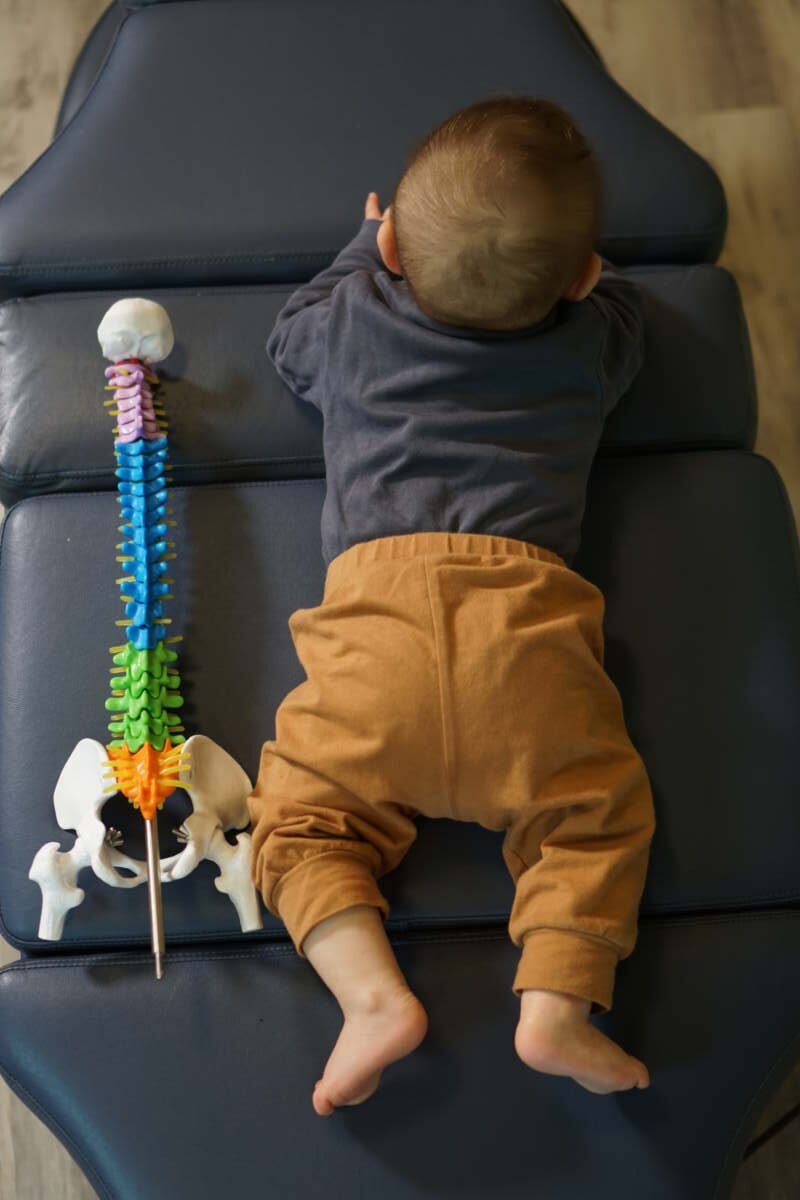
Chiropractic care restores joint mobility and flexibility by addressing biomechanical restrictions, correcting spinal misalignments, and releasing soft tissue adhesions that limit movement. Through precise manual adjustments, therapeutic techniques, and personalized rehabilitation protocols, chiropractors target the root causes of stiffness not just the symptoms. This evidence-based approach activates proper neurological signaling, reduces compensatory movement patterns, and rebuilds functional range of motion. Whether you’re an athlete seeking performance gains or someone struggling with daily stiffness, chiropractic intervention offers measurable improvements in how your body moves, bends, and performs.
Quick Answer: The Biomechanical Foundation of Chiropractic Mobility Enhancement
Understanding how chiropractic care improves joint mobility and flexibility starts with recognizing that your body operates as an interconnected mechanical system. When a joint loses its normal range of motion, it creates a cascade of compensation patterns that affect muscles, nerves, and adjacent joints. Chiropractors address these dysfunctions through targeted interventions that restore optimal biomechanical function.
Joints contain synovial fluid that lubricates articulating surfaces and provides nutrients to cartilage. When a joint becomes restricted, this fluid dynamics change viscosity increases, nutrient delivery decreases, and the joint capsule tightens. Adjustments restore normal joint motion, which re-establishes healthy fluid movement and reduces capsular tightness. This mechanical effect combines with neurological changes that reset muscle tension patterns, creating lasting improvements in flexibility.
The relationship between joint position and muscle function operates through mechanoreceptors sensory nerves that detect mechanical pressure and distortion. When joints are restricted, mechanoreceptor input becomes abnormal, leading to altered muscle tone and movement patterns. Chiropractic adjustments stimulate these receptors, normalizing neurological output and allowing muscles to relax. This mechanism explains why patients often feel immediate improvements in range of motion following treatment.
- Joint mobilization restores capsular elasticity and improves synovial fluid dynamics for smoother movement
- Neurological reset normalizes mechanoreceptor signaling to reduce protective muscle tension
- Soft tissue release breaks down adhesions that physically restrict muscle and fascia lengthening
- Motor pattern correction retrains the nervous system to use restored range of motion functionally

For patients seeking improved mobility through chiropractic care, understanding these mechanisms helps explain why results extend beyond temporary symptom relief. The combination of mechanical and neurological effects creates sustainable improvements that support long-term musculoskeletal health.
Why Joint Restrictions Develop: Analyzing the Root Causes of Limited Mobility [2026 Data]
Joint restrictions rarely develop overnight. They accumulate through repeated micro-trauma, sustained postures, and compensatory movement patterns that gradually alter joint mechanics. In 2026, musculoskeletal complaints related to movement restriction continue to rise as sedentary work environments dominate professional life. The human body adapts to the positions we hold most frequently shortening tissues in chronic shortened positions and weakening those in lengthened states.
Scar tissue from previous injuries creates one of the most stubborn barriers to flexibility. When muscles or ligaments heal, the repaired tissue lacks the organized fiber alignment of original tissue. This disorganized collagen creates adhesions that stick layers of tissue together, preventing normal sliding and gliding between muscles and fascia. These adhesions don’t show up on standard imaging, which is why many patients with “clean” X-rays still experience significant movement restrictions.
Compensatory patterns develop when one area of the body isn’t functioning properly. If your hip mobility is limited, your lumbar spine increases its range of motion to compensate during walking and bending. This creates excessive motion at some joints and restricted motion at others a pattern that perpetuates dysfunction throughout the kinetic chain. Breaking these patterns requires addressing both the original restriction and the secondary adaptations.
| Characteristic | Acute Restrictions | Chronic Restrictions |
|---|---|---|
| Onset | Sudden, often injury-related | Gradual, often posture-related |
| Tissue state | Inflammation dominant | Fibrotic changes dominant |
| Primary barrier | Swelling and muscle spasm | Capsular tightness and adhesions |
| Treatment focus | Anti-inflammatory and protection | Mobilization and tissue remodeling |
| Recovery timeline | Days to weeks | Weeks to months |

Inflammatory responses also play a significant role in joint restriction development. Chronic low-grade inflammation from stress, poor diet, or autoimmune conditions increases fluid retention in connective tissues, making them stiff and less extensible. Additionally, inflammatory byproducts sensitize nerve endings, creating protective muscle guarding that further limits movement. Addressing these inflammatory components often requires lifestyle modifications alongside hands-on treatment.
Modern work environments contribute substantially to mobility loss. Desk workers spending 8+ hours daily in seated positions develop shortened hip flexors, weak gluteal muscles, and thoracic spine stiffness. These adaptations become structural over time, requiring targeted intervention to reverse. Understanding posture and ergonomics considerations helps patients recognize how daily positioning affects their long-term movement capacity.
Spinal Adjustments Unlock Full-Body Movement Potential
The spine serves as the central anchor for all peripheral joint function. When spinal segments lose their normal mobility, the entire body compensates. Lumbar spine restrictions alter hip mechanics. Thoracic stiffness limits shoulder mobility. Cervical dysfunction affects head positioning and balance. This interconnectedness means that addressing spinal restrictions often produces improvements in seemingly unrelated areas of the body.
High-Velocity Low-Amplitude (HVLA) adjustments represent the primary chiropractic technique for restoring joint mobility. These precise, controlled forces create a quick stretch in joint capsules that stimulates mechanoreceptors and resets abnormal muscle tension. The “cavitation” sound often heard during adjustments results from gas bubble formation within the joint space not bones cracking. This rapid joint movement helps break up adhesions within the joint capsule and restores normal gliding mechanics between articulating surfaces.
Research demonstrates that spinal adjustments affect more than just the joint being treated. Adjustments influence the central nervous system, altering sensory processing and motor output throughout the body. A lumbar adjustment, for example, can improve hip range of motion by normalizing nerve signals traveling through the lumbar plexus. This neurological effect explains why patients frequently report improvements in areas distant from where they were adjusted.
Studies examining adjustment effects show that spinal manipulation produces immediate improvements in range of motion, with measurable changes lasting from several hours to several days depending on individual factors and movement patterns.
The ChiropractOrr employs evidence-based adjustment protocols that identify which segments require intervention and which techniques will produce optimal results. Not every restricted joint requires HVLA some respond better to mobilization or soft tissue techniques. This personalized approach ensures that treatment targets specific dysfunction rather than applying generic protocols to every patient. For those experiencing lower back discomfort alongside mobility loss, natural lower back pain relief through chiropractic care addresses both symptoms and underlying mechanical causes.
Soft Tissue Therapy Breaks Down Adhesions That Block Joint Function
Joint mobility depends on more than just the joint itself. Muscles, tendons, ligaments, and fascia surrounding joints must all lengthen properly for full range of motion. When these soft tissues develop restrictions, increasing their flexibility becomes impossible without addressing the adhesions directly. This is where soft tissue therapy becomes essential manually breaking down scar tissue and fascial restrictions that limit movement.
Fascia a continuous web of connective tissue surrounding every muscle, bone, and organ plays a crucial role in flexibility. When fascia is healthy, it glides smoothly during movement. However, injury, inflammation, and sustained postures cause fascia to lose its pliability, becoming dense and restricted. These fascial restrictions often don’t respond to stretching alone because they involve cross-links between collagen fibers that must be mechanically disrupted. Instrument-assisted techniques and manual therapy provide the mechanical input necessary to restore fascial mobility.
Myofascial release targets these restrictions through sustained pressure and specific movement patterns. Unlike general massage, myofascial work addresses the specific direction of tissue restriction, following fascia’s three-dimensional pathways throughout the body. This approach recognizes that a restriction in your iliotibial band might connect to restrictions in your gluteal fascia and into your thoracolumbar fascia a continuous restriction pattern requiring comprehensive treatment.
- Manual myofascial release applies sustained pressure along fascial lines to restore tissue pliability and glide
- Instrument-assisted soft tissue mobilization uses specialized tools to detect and treat adhesions with precise feedback
- Active release technique combines manual pressure with patient movement to break adhesions under tension
- Trigger point therapy eliminate localized areas of muscle spasm that restrict normal muscle lengthening
- Functional release addresses soft tissue restrictions through movements that mimic patient-specific activities
Professional athletes and active individuals often develop significant soft tissue restrictions from repetitive movements. Running creates repetitive strain patterns; weight training builds dense tissue that can lose extensibility without proper mobility work. Addressing these sport-specific patterns requires understanding both the biomechanics of the sport and how tissues adapt to training loads. Patients dealing with persistent muscle restrictions benefit from trigger point therapy for chronic restrictions as part of their comprehensive mobility program.
Step-By-Step: How The ChiropractOrr Assesses and Restores Your Mobility
Effective mobility restoration begins with thorough assessment. You can’t fix what you haven’t measured. The evaluation process identifies exactly which joints are restricted, what’s causing those restrictions, and which interventions will produce meaningful improvements. This systematic approach differentiates evidence-based chiropractic care from generic treatment protocols.
- Comprehensive history review identifies injury history, lifestyle factors, and specific movement limitations affecting daily activities
- Postural examination assesses static positioning to identify asymmetries, compensations, and structural contributors
- Functional movement screening evaluates dynamic activities like squatting, lunging, and rotating to reveal movement pattern dysfunction
- Goniometric measurement quantifies joint angles objectively, establishing baseline measurements for tracking progress
- Palpation assessment identifies specific joint restrictions, muscle tension patterns, and soft tissue adhesions
- Neurological screening ensures that nerve pathway involvement is identified and appropriately addressed
Once assessment is complete, treatment progression follows a logical sequence. Acute inflammation must calm down before mobilization becomes appropriate. Joint restrictions require addressing before soft tissue work maintains lasting improvements. Motor control training must follow restored range of motion so the nervous system learns to use new movement capacity. Rushing this sequence or skipping steps produces incomplete results that don’t last.
Research on musculoskeletal rehabilitation consistently demonstrates that active patient participation in recovery specifically through prescribed corrective exercises significantly improves outcomes compared to passive treatment alone.
Typical treatment progression spans 4-8 weeks depending on chronicity and severity. Acute restrictions often resolve faster. Chronic conditions with significant fibrotic changes require longer intervention. This timeline includes both in-office treatment and progression through a corrective exercise program. Patients who understand what to expect from Campbell chiropractic care often achieve better outcomes because they commit to the full treatment duration necessary for lasting change.
Rehabilitation Exercises That Maintain Long-Term Flexibility Gains [Study]
Chiropractic adjustments and soft tissue work create a window of opportunity. They restore range of motion that was previously inaccessible. But maintaining that flexibility requires active participation through targeted exercise. Without this active component, restrictions gradually return as tissues adapt back to their previous patterns. This principle active care versus passive-only treatment represents a fundamental shift in modern musculoskeletal care.
Evidence clearly supports this active approach. Studies comparing adjustment-only protocols to combined protocols including exercise consistently show better outcomes with integrated care. Exercise promotes tissue remodeling, reinforcing the mobility gains achieved through hands-on treatment. Additionally, exercise improves proprioception your body’s awareness of joint position which helps prevent the recurrence of movement dysfunction.
Effective mobility rehabilitation includes several exercise categories targeting different aspects of movement. Stretching addresses muscle and tendon lengthening. Mobility exercises focus on joint capsule flexibility and motor control. Strengthening supports newly available range of motion by building strength at end-range positions. Stability training ensures that movement is controlled throughout the range. Each category contributes to lasting flexibility improvements.
For athletes, exercise prescription must consider sport-specific demands. A runner needs hip extension mobility and ankle dorsiflexion. A weightlifter requires thoracic rotation and shoulder flexion. Office workers benefit from hip flexor lengthening and thoracic extension. Generic stretching programs fail to address these individual needs. The ChiropractOrr develops personalized exercise protocols that target each patient’s specific movement restrictions and activity requirements. Patients interested in stretching therapy that complements adjustments receive detailed instruction on proper technique and progression.
Key Takeaways: Mobility Improvements You Can Measure and Feel
Measurable progress matters. Patients need objective feedback to know their treatment is working. They need to feel differences in daily activities not just during treatment sessions. Understanding what improvements look like helps set appropriate expectations and motivates continued participation in care. These outcomes develop progressively as treatment addresses underlying dysfunction.
Timeline expectations vary based on individual factors. Acute restrictions may show noticeable improvement within days. Chronic restrictions with significant tissue changes require weeks to months of consistent intervention. Most patients begin noticing functional improvements within 2-4 weeks of starting care. These improvements accumulate as treatment addresses progressively deeper layers of dysfunction.
- Increased stride length allows walking longer distances with less effort and reduced hip or back discomfort
- Greater bend depth makes daily activities like tying shoes and picking up objects easier and more comfortable
- Improved rotation enables better performance in sports like golf and tennis while reducing spinal stress
- Reduced morning stiffness indicates decreased overall joint inflammation and improved tissue quality
- Decreased compensatory pain shows that original restrictions are resolving and secondary problems are diminishing
Maintenance recommendations depend on individual factors including activity level, occupation, injury history, and treatment response. Some patients maintain mobility with monthly visits. Others benefit from more frequent check-ins. Active individuals and those with physically demanding work may require ongoing periodic care to address repetitive strain. Understanding how mobility affects quality of life helps patients recognize the value of maintaining movement capacity throughout their lives.
Frequently Asked Questions About Chiropractic Care for Joint Mobility
How quickly will I see improvements in my flexibility?
Most patients notice initial improvements within 2-4 sessions. Acute restrictions may respond faster, sometimes showing changes after the first adjustment. Chronic conditions with long-standing adhesions and compensatory patterns typically require 4-8 weeks of consistent care. Long-term improvements depend on your commitment to prescribed exercises and home mobility work between visits.
Is chiropractic adjustment painful for stiff joints?
No, adjustments should not cause significant pain. Most patients experience relief during the adjustment itself. Some mild soreness may occur after initial sessions similar to starting a new exercise program as tissues adapt to movement they haven’t experienced in a while. Chronic restrictions may feel more pressure during treatment as adhesions are broken down.
How many chiropractic sessions do I need for mobility issues?
Treatment duration ranges from 4-12 sessions based on chronicity and severity. Acute conditions often resolve within 4-6 visits. Chronic restrictions typically require 8-12 sessions for meaningful restoration. Your chiropractor establishes a treatment plan after initial assessment, with regular progress evaluations to adjust frequency based on your response to care.
Can chiropractic help with sports-related flexibility?
Yes, chiropractic care specifically benefits athletes seeking performance gains. Adjustments improve joint range of motion directly, while soft tissue work addresses sport-specific restriction patterns. Many professional athletes incorporate regular chiropractic care into their training regimens. Improved mobility translates to better athletic performance and reduced injury risk.
Will my flexibility return if I stop treatment?
Maintaining flexibility gains requires ongoing effort through home exercises. Patients who continue prescribed mobility work typically maintain their improvements. Those who return to previous movement patterns especially sedentary lifestyles often experience gradual restriction recurrence. Exercise compliance strongly predicts long-term outcomes.
Is chiropractic care safe for improving joint mobility?
Yes, chiropractic care has an excellent safety record for musculoskeletal conditions. Serious adverse events are extremely rare, especially compared to surgical intervention or long-term pain medication use for chronic mobility restrictions. Initial assessment screens for contraindications to ensure appropriate technique selection for each patient’s condition.
Can older adults benefit from mobility-focused chiropractic care?
Absolutely adults over 65 often see significant functional improvements. Age-related stiffness responds well to gentle mobilization techniques appropriate for older populations. Improved mobility reduces fall risk, maintains independence in daily activities, and enhances quality of life. Treatment intensity and technique selection account for age-related considerations like osteoporosis or joint replacements.
For patients seeking comprehensive approaches to mobility restoration, spinal decompression as complementary therapy may enhance outcomes for certain conditions, particularly those involving disc-related restrictions. Your chiropractor determines whether this additional modality would benefit your specific situation.