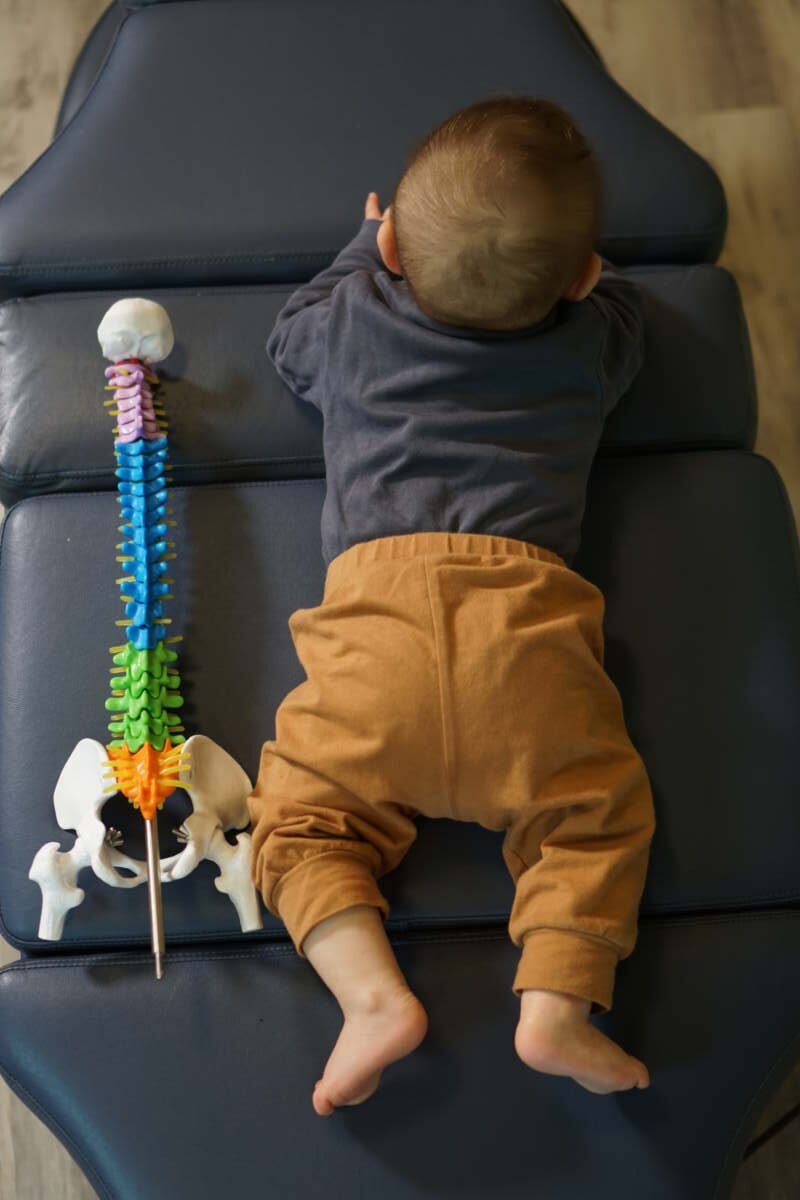
Chiropractic adjustments deliver targeted mechanical forces to dysfunctional spinal segments and peripheral joints, restoring proper biomechanics and reducing nociceptive input. Through high-velocity, low-amplitude manipulations, chiropractors correct vertebral subluxations that compress neural tissue, trigger inflammatory cascades, and limit functional movement patterns. This evidence-based approach addresses musculoskeletal pain at its mechanical source rather than masking symptoms, promoting accelerated tissue healing, improved proprioception, and sustained pain relief for athletes, office workers, and chronic pain sufferers alike.
Immediate Neurological Response: Why Joint Cavitation Reduces Pain Signals
When a chiropractor delivers a spinal manipulation therapy adjustment, the characteristic “pop” sound marks the beginning of a complex neurological chain reaction. This audible release, known as joint cavitation, occurs when intra-articular gas bubbles form within the synovial fluid but the real therapeutic magic happens in the nervous system. Understanding how do chiropractic adjustments help with musculoskeletal pain requires examining this immediate neurophysiological response.
The rapid stretch applied during an adjustment activates mechanoreceptors embedded in joint capsules, ligaments, and surrounding musculature. These specialized sensory neurons transmit proprioceptive signals along large-diameter afferent nerve fibers directly to the spinal cord. According to gate control theory, these fast-traveling signals effectively “close the gate” on slower nociceptive pain transmissions, reducing the brain’s perception of discomfort at the conscious level.
Beyond this gating mechanism, spinal manipulation triggers measurable changes in motor neuron pool excitability. Research published in 2026 confirms that high-velocity thrusts temporarily decrease alpha motor neuron activity, reducing protective muscle spasm and allowing previously restricted joints to move through a greater range of motion. This neuromusculoskeletal treatment approach interrupts the pain-spasm-pain cycle that perpetuates chronic musculoskeletal dysfunction.
- Mechanoreceptor activation Stretches joint capsule receptors, sending non-painful signals to the brain
- Gate control mediation Large-fiber sensory input inhibits pain signal transmission at spinal level
- Motor neuron inhibition Decreases hypertonicity in paraspinal musculature surrounding adjusted segments
- Proprioceptive reset Re-establishes normal joint position sense and movement patterning

These neurological effects begin within milliseconds of thrust delivery and can persist for hours to days following treatment. For patients seeking spinal adjustment for chronic pain management, this cascade represents the first step toward breaking entrenched pain patterns and restoring normal sensorimotor integration.
Quick Answer: The Three Mechanisms Chiropractic Adjustments Use to Resolve Musculoskeletal Pain
Chiropractic adjustments resolve musculoskeletal pain through three interconnected pathways: mechanical correction, neurological modulation, and inflammatory regulation. Each mechanism operates on different timescales and targets distinct aspects of the pain experience. evidence from 2026 systematic reviews demonstrates that combining these pathways produces superior outcomes compared to any single mechanism alone.
Mechanically, joint mobilization techniques restore proper joint centration and movement quality, eliminating aberrant stresses on articular structures. Neurologically, manual therapy for pain normalizes afferent signaling and reduces central sensitization. From an inflammatory perspective, adjusting dysfunctional segments modulates cytokine production and accelerates tissue repair processes.
| Mechanism | Primary Target | Onset of Relief | Duration of Effect |
|---|---|---|---|
| Mechanical | Joint biomechanics, range of motion | Immediate to 24 hours | Days to weeks |
| Neurological | Pain signal transmission, muscle tone | Milliseconds | Hours to days |
| Inflammatory | Cytokine production, tissue healing | 24-72 hours | Weeks to months |
This tripartite model explains why chiropractic care succeeds where isolated interventions fail. By addressing the mechanical source while simultaneously calming nervous system hypersensitivity and regulating inflammatory responses, adjustments provide comprehensive musculoskeletal pain resolution. Patients exploring natural lower back pain relief options benefit from understanding this multifaceted approach to healing.
Restoring Joint Mobility: How Adjustments Break Adhesion Formation and Increase Range of Motion
Restricted joint mobility serves as both a cause and consequence of musculoskeletal pain. When joints remain abnormal positions or fail to move through their complete range, fibrotic tissue begins forming within and around the joint capsule. These adhesions create mechanical barriers to normal movement, perpetuating dysfunction and accelerating degenerative changes. Vertebral subluxation correction directly addresses this pathological cascade.
During an adjustment, the high-velocity thrust delivers a precise capsular stretch that mechanically disrupts early adhesion formation. The rapid distraction forces separate articular surfaces beyond the elastic limit of restricting tissues, effectively “resetting” the joint’s available range. Studies measuring goniometric improvements before and after manipulation document significant range of motion gains, particularly in cervical and lumbar spine segments where contractile tissue restriction limits functional movement.
The mechanical effects extend beyond individual joints. Spinal alignment restoration improves global movement patterns by eliminating compensatory strategies that develop around restricted segments. When a hypomobile vertebral unit receives appropriate thrust delivery, adjacent segments experience reduced excessive motion normalizing forces throughout the entire kinetic chain.
Clinical goniometry studies show thoracic spine adjustments increase rotation range by an average of 8-12 degrees compared to baseline measurements, with improvements maintained at one-week follow-up assessment.
This biomechanical dysfunction relief proves particularly valuable for athletes and active individuals whose performance depends on optimal joint mobility. Whether addressing shoulder impingement syndromes or hip range of motion improvements through adjustments, restoring proper joint kinematics forms the foundation of functional recovery and injury prevention.
The Anti-Inflammatory Effect: Cytokine Modulation Through Mechanical Stimulation
Chronic musculoskeletal pain involves persistent low-grade inflammation that maintains sensitization and delays tissue healing. Traditional approaches focus on pharmaceutical anti-inflammatory interventions, but growing evidence demonstrates that mechanical forces delivered during chiropractic adjustments produce measurable immunomodulatory effects. This discovery has reshaped understanding of why spinal manipulation therapy produces lasting outcomes beyond temporary symptom relief.
Research published throughout 2026 has identified specific inflammatory biomarkers responsive to manual therapy interventions. Interleukin-6 (IL-6), a pro-inflammatory cytokine elevated in chronic pain states, shows consistent reduction following spinal manipulation. Similarly, tumor necrosis factor-alpha (TNF-alpha) decreases substantially when dysfunctional segments receive appropriate mechanical input. These changes correspond with improved clinical outcomes and accelerated musculoskeletal tissue repair.
The mechanism involves mechanotransduction the process by which mechanical forces convert to biochemical signals within cells. When joint manipulation stretches capsular ligaments and surrounding myofascial tissues, mechanosensitive ion channels open within cell membranes, triggering intracellular signaling cascades that regulate gene expression. This includes genes controlling inflammatory mediator production.
- Interleukin-6 (IL-6) Pro-inflammatory cytokine reduced following adjustment delivery
- Tumor Necrosis Factor-alpha (TNF-alpha) Key mediator in chronic inflammation cascade
- C-reactive protein (CRP) Systemic inflammatory marker decreased with regular care
- Substance P Neuropeptide involved in pain transmission and inflammation
- Interleukin-10 (IL-10) Anti-inflammatory cytokine increased post-adjustment
According to 2026 research, patients receiving spinal manipulation therapy demonstrate significantly lower serum IL-6 levels at six-week follow-up compared to control groups receiving sham interventions.
For individuals interested in preventing chronic back pain development, addressing inflammatory components early prevents central sensitization and transition from acute to persistent pain states. This cytokine-modulating effect represents one of chiropractic care’s most significant yet underappreciated benefits.
How to Maximize Adjustment Benefits: The Multi-Modal Protocol for Athletes and Active Individuals
Receiving a chiropractic adjustment represents just one component of comprehensive musculoskeletal care. To achieve optimal outcomes, patients should integrate their spinal treatment with supportive therapies and active rehabilitation strategies. This multi-modal approach ensures that mechanical corrections gained during adjustments translate into lasting functional improvements.
Soft tissue therapy complements joint manipulation by addressing myofascial restrictions that perpetuate biomechanical dysfunction. When hypertonic musculature surrounds adjusted segments, muscles attempt to pull joints back toward their original restricted positions. Techniques such as instrument-assisted soft tissue mobilization, trigger point therapy, focused shockwave therapy, and myofascial release lengthen contracted tissues, allowing adjustments to “hold” longer.
Step-by-Step Protocol for Maximum Adjustment Benefit
- Pre-adjustment assessment Identify specific dysfunctional segments and associated soft tissue restrictions through motion palpation and functional testing
- Soft tissue preparation Release hypertonic musculature surrounding target joints to minimize resistance and enhance cavitation
- Specific adjustment delivery Apply precise thrust to restricted segments using technique matched to patient presentation and tolerance
- Post-adjustment activation Perform prescribed corrective exercises that reinforce new movement patterns within the adjustment’s “window of opportunity”
- Supportive modalities Apply appropriate physiological therapeutics to reduce post-treatment soreness and accelerate tissue adaptation
- Home exercise prescription Assign specific strengthening and mobility exercises to maintain improvements between visits
- Progress monitoring Reassess functional outcomes at regular intervals to guide treatment progression
This comprehensive framework ensures that passive treatment components transition smoothly into active recovery. For those seeking evidence-based chiropractic services, understanding this integrative approach helps set realistic expectations and maximize the value of each treatment session.
Targeting Specific Musculoskeletal Conditions: Adjustment Techniques for Different Pain Patterns
Not all adjustments are created equal. Skilled chiropractors select from various technique systems based on individual patient presentation, anatomical considerations, and treatment goals. This personalized approach ensures that each adjustment addresses specific biomechanical dysfunction while respecting patient comfort and safety. Understanding available technique options empowers patients to participate actively in care decisions.
Diversified technique remains the most commonly utilized adjustment method in chiropractic practice. This approach employs high-velocity, low-amplitude thrusts delivered by hand to specific hypomobile segments following precise positioning. Diversified adjusting effectively addresses joint mobilization needs across most spinal and extremity presentations, producing the characteristic cavitation sound associated with successful manipulation.
Gonstead technique emphasizes specificity through rigorous analysis including static palpation, motion palpation, and visualization supported by radiographic findings. This system targets specific vertebral levels identified as primary subluxations, using distinct adjustment setups that minimize rotational forces during thrust delivery. Patients with disc herniation or acute inflammatory conditions often benefit from this precise, disc-sparing approach.
Activator Methods Instrument technique utilizes a handheld device delivering controlled, reproducible impulse forces. This low-force approach suits patients who cannot tolerate manual thrust techniques due to osteoporosis, acute inflammation, or personal preference. Despite the gentler force application, activator adjustments produce measurable clinical outcomes across numerous musculoskeletal conditions.
| Condition | Preferred Technique | Rationale |
|---|---|---|
| Acute mechanical low back pain | Diversified, Gonstead | Direct segmental correction with immediate pain relief |
| Cervical radiculopathy | Gonstead, Activator | Minimizes rotational stress on sensitive nerve roots |
| Sacroiliac dysfunction | Diversified, drop-table | Addresses pelvic torsion and restores symmetry |
| Thoracic hypomobility | Diversified | Efficiently addresses multiple restricted segments |
| Shoulder impingement | Extremity adjustment, Activator | Addresses scapulothoracic and glenohumeral restriction |
Clinical decision-making involves matching technique characteristics to patient needs. Those exploring options for preventing neck pain through adjustments benefit from understanding that technique selection significantly influences outcomes.
Long-Term Outcomes: What 2026 Research Reveals About Sustained Pain Relief and Functional Recovery
Short-term pain relief proves relatively easy to achieve but lasting functional recovery requires addressing underlying dysfunction rather than simply managing symptoms. Longitudinal research emerging from 2026 provides compelling evidence that appropriately dosed chiropractic care produces sustained outcomes comparable or superior to conventional medical management for many musculoskeletal conditions.
Cohort studies tracking patients through extended treatment courses reveal that improvements gained during the initial intensive phase persist when transitioning to maintenance care. Patients receiving monthly or quarterly “wellness” adjustments maintain functional gains better than those discontinuing care entirely. This suggests that periodic mechanical input prevents contracture formation and maintains optimal joint function over time.
Comparative effectiveness research demonstrates particularly favorable outcomes for chiropractic management of acute and chronic low back pain. When matched against pharmaceutical interventions, spinal manipulation produces equivalent or superior pain reduction without associated medication risks. Patients with recurrent episodes show decreasing frequency and severity of flare-ups when receiving regular chiropractic care, suggesting that addressing biomechanical dysfunction interrupts the re-injury cycle.
According to 2026 comparative effectiveness research, patients receiving chiropractic care for chronic low back pain demonstrate statistically greater improvement in disability scores at one year compared to usual medical care, with lower total healthcare costs.
For patients weighing treatment options and considering chiropractic care versus surgical intervention, these long-term outcomes provide important context. Conservative management should typically constitute first-line treatment for mechanical musculoskeletal pain, reserving surgical approaches for cases failing appropriate conservative care.
Key Takeaways: Understanding How Chiropractic Adjustments Resolve Musculoskeletal Pain
Chiropractic adjustments operate through sophisticated neurological, mechanical, and inflammatory pathways that work synergistically to resolve musculoskeletal pain at its source. Rather than temporarily masking symptoms, this biomechanical dysfunction relief approach addresses the underlying dysfunction perpetuating pain cycles. Understanding these mechanisms helps patients appreciate why consistent, well-delivered adjustments produce lasting outcomes.
- Neurological gating Mechanoreceptor activation during adjustments inhibits pain signal transmission through gate control mechanisms
- Mechanical restoration Precise thrust delivery disrupts adhesion formation and improves joint range of motion
- Anti-inflammatory effects Spinal manipulation reduces pro-inflammatory cytokines including IL-6 and TNF-alpha
- Motor system reset Adjustments decrease protective muscle spasm and normalize movement patterns
- Central sensitization reversal Normalized afferent input reduces nervous system hypersensitivity over time
- Long-term maintenance Periodic adjustments prevent contracture recurrence and sustain functional gains
These evidence-based mechanisms explain why chiropractic care has become a cornerstone of musculoskeletal management for diverse populations from elite athletes to office workers. Those ready to begin their recovery journey should understand what to expect from Campbell chiropractic care to maximize treatment benefits.
FAQ: Common Questions About Chiropractic Adjustments for Musculoskeletal Pain
Are chiropractic adjustments safe for treating musculoskeletal pain?
Yes. Serious adverse events following spinal manipulation occur in less than one per million adjustments, making chiropractic care one of the safest conservative treatments available for musculoskeletal conditions. Compared to pharmaceutical interventions carrying risks of gastrointestinal bleeding, dependency, and organ damage, manual therapy for pain offers an attractive risk-benefit profile. Patients should always disclose relevant medical history to ensure technique modifications when indicated.
How many adjustments are needed before musculoskeletal pain improves?
Most patients experience meaningful relief within 4-12 visits. Acute mechanical conditions often respond within the first few treatments, while chronic dysfunction typically requires longer intervention courses to achieve lasting correction. Symptom duration before seeking care correlates strongly with treatment duration earlier intervention yields faster resolution. Maintenance visits following initial recovery help prevent symptom recurrence and maintain functional gains achieved during intensive care phases.
Do chiropractic adjustments hurt during or after treatment?
Most adjustments produce minimal discomfort. Some patients experience brief stretching sensation or mild soreness similar to post-exercise muscle aches lasting 24-48 hours. This post-treatment reaction results from tissue adaptation and inflammatory marker changes, representing normal physiological response to mechanical forces. Skilled practitioners adjust technique delivery based on patient tolerance, ensuring comfortable care even for sensitive individuals or those in acute pain states.
What conditions respond best to chiropractic adjustments?
Mechanical musculoskeletal conditions respond most favorably. Evidence strongly supports spinal manipulation for acute and chronic low back pain, neck pain, cervicogenic headaches, and sacroiliac dysfunction. Extremity adjustments effectively address shoulder, hip, and knee conditions involving joint restriction. Patients considering spinal decompression versus chiropractic treatment should understand that optimal care often combines multiple modalities based on individual presentation rather than requiring either-or decisions.
How long do adjustment benefits last?
Benefits typically persist days to weeks depending on condition chronicity. Acute mechanical dysfunction often resolves completely following appropriate intervention. Chronic conditions with longstanding dysfunction, degenerative changes, or perpetuating factors require ongoing maintenance care to sustain improvements. Patient participation through prescribed exercises, ergonomic modification, and lifestyle changes significantly impacts outcome durability active patients maintain gains better than passive recipients.
Is the popping sound necessary for an adjustment to work?
No. Joint cavitation indicates gas bubble formation within synovial fluid during rapid distraction, but the audible release is neither necessary nor sufficient for therapeutic benefit. Low-force techniques including Activator instrument adjusting produce excellent outcomes without creating popping sounds. What matters is appropriate mechanical input to dysfunctional segments, not whether cavitation occurs. Patients troubled by joint sounds can request low-force alternatives without compromising effectiveness.
Chiropractic adjustments represent a sophisticated intervention for musculoskeletal pain that addresses mechanical dysfunction through multiple physiological pathways. By understanding how spinal alignment restoration, neurological modulation, and inflammatory regulation combine to resolve pain, patients can approach care with realistic expectations and active participation. The ChiropractOrr provides personalized, evidence-based chiropractic care designed to meet the needs of athletes, office workers, and anyone seeking lasting relief from musculoskeletal pain.