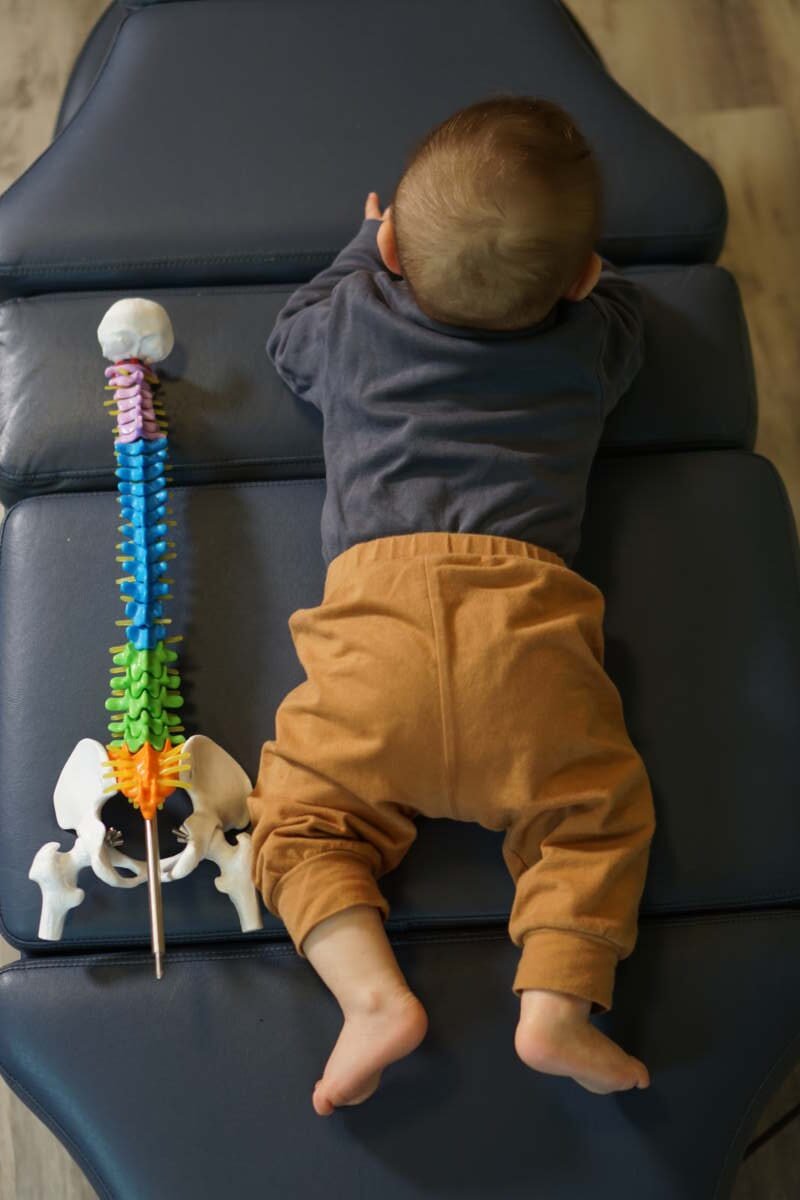
Overuse injuries develop when repetitive stress overwhelms tissue capacity faster than recovery allows. Athletes prevent these injuries through systematic load management, movement screening to identify compensations before pain appears, targeted soft tissue therapy to maintain tissue quality, and progressive corrective exercises that address biomechanical weaknesses. Evidence-based prevention requires monitoring training volume, recognizing early warning signs, and integrating recovery modalities that restore function rather than simply masking symptoms.
Quick Answer: The Four-Pillar Framework Athletes Use to Stop Overuse Injuries Before They Start
Athletes who stay injury-free year after year rarely do so by accident. They follow a structured framework that addresses the root causes of overuse before tissue damage accumulates. Sports medicine literature consistently identifies four pillars that form the foundation of modern prevention protocols.
| Pillar | Primary Function | Evidence-Based Example |
|---|---|---|
| Load Management | Balance training stress with recovery capacity | Acute-to-chronic workload ratio monitoring |
| Movement Screening | Identify asymmetries before they cause pain | Functional movement assessment protocols |
| Tissue Maintenance | Preserve fascial quality and muscle function | FAKTR therapy and trigger point release |
| Corrective Training | Strengthen weak links in movement chains | Progressive stability-to-power exercise sequences |
Each pillar reinforces the others. Load management without movement screening might miss dangerous compensations. Tissue maintenance without corrective training addresses symptoms but ignores the underlying cause. The athletes who succeed combine all four into a cohesive system, often working with practitioners who can provide customized injury rehab exercise programs tailored to their specific sport demands.

Training Load Management: Why Progressive Overload Without Recovery Creates Tissue Breakdown
Progressive overload drives athletic adaptation. But when training stress exceeds recovery capacity, tissue breakdown accelerates faster than repair mechanisms can keep pace. This imbalance lies at the heart of most overuse injuries.
Strength and conditioning professionals now track the acute-to-chronic workload ratio to predict injury risk. A 2016 study published in the British Journal of Sports Medicine found that athletes whose acute training load exceeded their chronic load by more than 1.5 times faced significantly higher injury rates in the following week. This ratio gives coaches a concrete metric for adjusting volume before problems arise.
Research demonstrates that when weekly training load spikes exceed 15% above the four-week average, injury risk increases by up to 21% in subsequent training sessions.
Periodization strategies help athletes manage this ratio across mesocycles. Linear periodization steadily increases load with planned deload weeks. Undulating periodization varies intensity and volume within each week. Both approaches build fitness while respecting recovery needs.
Modern load monitoring tools make this process more precise. GPS tracking, power meters, and heart rate variability measurements provide objective data about training stress. Athletes who track these metrics consistently can spot dangerous trends before they translate into pain. Many also benefit from recovering from injuries with chiropractic care when early warning signs appear.
- Persistent muscle soreness lasting beyond 72 hours
- Declining performance despite maintained or increased training volume
- Morning resting heart rate elevated by more than 10 beats per minute
- Joint stiffness or aching that improves with movement but returns after rest
- Mood disturbances including irritability, anxiety, or loss of motivation
Movement Screening Protocols That Identify Compensations Before Pain Appears
Pain often appears late in the injury process. By the time an athlete feels discomfort, movement compensations have usually been present for weeks or months. Movement screening catches these patterns before they become symptomatic.
Functional movement assessment evaluates how well an athlete performs basic movement patterns like squatting, hinging, lunging, pushing, pulling, and rotating. Providers look for asymmetries between left and right sides, limitations in range of motion, and compensatory patterns that shift stress to vulnerable tissues.
Asymmetry matters more than imperfect movement. A 2015 study found that athletes with side-to-side differences greater than 15% in fundamental movement patterns had 2.5 times higher injury rates during the following season. The body can adapt to many limitations, but it struggles when one side carries significantly more load than the other.
Screening protocols also examine single-leg stability, core control under load, and joint mobility during sport-specific movements. A runner might demonstrate excellent squat depth but poor single-leg balance that predicts Achilles tendinopathy. A swimmer might show full shoulder range of motion but inadequate scapular stability that precedes impingement. These specific findings guide targeted interventions through improved mobility through chiropractic care.
How FAKTR Soft Tissue Therapy Maintains Tissue Quality During High-Volume Training Cycles
High-volume training creates microtrauma in muscle fibers, fascia, and connective tissue. With adequate recovery, this microtrauma stimulates positive adaptation. Without it, tissues develop adhesions, restrictions, and areas of chronic tightness that limit function and increase injury risk.
FAKTR (Functional and Kinetic Treatment with Rehab) addresses these tissue changes through instrument-assisted soft tissue mobilization combined with active movement. The practitioner uses specialized tools to apply controlled pressure along fascial lines while the patient moves through specific patterns. This combination breaks down adhesions more effectively than static treatment alone.
Athletes in repetitive-motion sports benefit most from this approach. Swimmers develop shoulder restrictions from thousands of strokes per week. Runners accumulate calf and quad tightness from ground contact forces. Cyclists develop hip flexor shortening from sustained forward-flexed positions. FAKTR therapy addresses these sport-specific patterns before they progress to tendinopathy or stress reactions.
Clinical evidence suggests that instrument-assisted soft tissue mobilization increases tissue elasticity by approximately 20% and reduces muscle stiffness perception within 48 hours of treatment.
The treatment also stimulates local blood flow and collagen remodeling. This accelerates the natural healing response to training microtrauma, allowing athletes to maintain higher training volumes with less accumulated tissue dysfunction. Many competitive athletes incorporate FAKTR soft tissue therapy for athlete recovery weekly during peak training phases.
Trigger Point Release Strategies That Address Muscle Overload Before It Becomes Tendinopathy
Trigger points form when muscle fibers fail to fully relax after contraction. These hyperirritable nodules create localized pain, referred symptoms, and altered movement patterns. In athletes, trigger points often develop in predictable locations based on sport-specific demands.
The mechanism involves sustained neural activation and local metabolic changes. When a muscle contracts repeatedly without full relaxation between efforts, calcium remains trapped in the muscle fibers. This sustained contraction compresses local capillaries, reducing oxygen delivery and creating a acidic environment that sensitizes nerve endings. The result is a self-perpetuating trigger point.
Manual release techniques interrupt this cycle. Direct pressure on the trigger point increases blood flow and mechanically disrupts the contracted sarcomeres. Sustained pressure for 60-90 seconds often produces a perceived release and improved muscle function. Multiple treatment sessions may be necessary for chronic trigger points that have persisted for months.
For athletes, addressing trigger points early prevents cascade effects. A trigger point in the gluteus medius alters hip mechanics, which changes knee tracking, which increases stress on the patellar tendon. What begins as muscle overload becomes tendinopathy when left unaddressed. trigger point therapy for muscle knots provides targeted intervention at each stage.
- Gastrocnemius and soleus (calf) in runners and jumpers
- Infraspinatus and teres minor in swimmers and throwing athletes
- Vastus medialis oblique in cyclists and basketball players
- Piriformis and gluteus medius in runners and hockey players
- Latissimus dorsi and teres major in swimmers and climbers
- Trapezius and levator scapulae in endurance athletes with postural fatigue
Corrective Exercise Progressions: Building Resilience in Movement Patterns That Break Down Under Fatigue
Screening identifies limitations. Therapy addresses tissue quality. Corrective exercise rebuilds functional capacity. This final pillar ensures that athletes do not simply return to the same movement patterns that caused problems originally.
Effective corrective programming follows a logical progression. Stability must precede strength. Strength must precede power. Attempting to build force production on an unstable foundation reinforces compensation patterns rather than correcting them.
This progression matters because fatigue exposes weakness. An athlete might demonstrate adequate strength during fresh testing. But as fatigue accumulates during competition, only movement patterns reinforced through proper training remain stable. Weak links appear when energy systems fail, leading to the breakdown patterns that cause injury.
| Injury Site | Stability Phase | Strength Phase | Power Phase |
|---|---|---|---|
| Shoulder | Scapular setting, low-load rotator cuff endurance | Weighted rows, external rotation strengthening | Medicine ball throws, plyometric push-ups |
| Knee | Single-leg balance, hip stability drills | Step-downs, loaded lunges, hamstring curls | Jump landing progressions, change-of-direction drills |
| Lumbar Spine | Dead bug variations, core bracing practice | Plank progressions, bird-dog variations | Medicine ball rotations, loaded carries |
Athletes often struggle with self-directed corrective work. General exercises from internet searches rarely address specific movement faults. common mistakes without personalized rehab exercises include doing advanced stability work before mastering basics, training strength before stability, and ignoring sport-specific demands that require targeted programming.
Assisted Stretching and Mobility Work: Restoring Range of Motion Lost to Repetitive Training Stress
Repetitive training creates tissue adaptation. Muscles lengthen or shorten based on sport demands. Fascia develops predictable restrictions. Joint capsules tighten in positions held for hours each week. Without intervention, these changes accumulate and limit function.
Assisted stretching differs fundamentally from static stretching. A practitioner moves the client through specific ranges while providing external leverage. This allows greater range than active stretching alone. It also lets the athlete relax into the stretch rather than guarding against discomfort.
The fascial release component matters for overuse prevention. Fascia surrounds and penetrates muscle tissue. When fascia becomes restricted, it limits muscle lengthening and alters force transmission. Assisted stretching addresses these restrictions more effectively than static stretching alone.
Timing influences outcomes. Assisted stretching immediately before training can temporarily improve range of motion and reduce perceived stiffness. Sessions 24-48 hours after intense training accelerate recovery and maintain range of motion during high-volume phases. personalized assisted stretching therapy addresses each athlete’s specific restrictions rather than applying generic protocols.
Key Takeaways: Evidence-Based Overuse Injury Prevention for Athletes in 2026
Overuse injury prevention requires systematic effort. The athletes who stay healthy year after year treat recovery and prevention as seriously as training itself. They recognize that pain is a late signal and intervene before symptoms appear.
- Monitor acute-to-chronic workload ratio and avoid spikes exceeding 1.5 times baseline
- Complete movement screening quarterly to identify asymmetries before they cause injury
- Address trigger points weekly during high-volume training phases
- Progress corrective exercises from stability to strength to power
- Incorporate soft tissue therapy before tissue restrictions limit performance
- Track recovery metrics including heart rate variability and sleep quality
- Work with practitioners who understand sport-specific demands
This multimodal approach represents current best practice. Single interventions alone rarely prevent injury. But combining load management, screening, tissue maintenance, and corrective training creates resilience that withstands training demands. explore more sports chiropractic insights to continue building a prevention framework tailored to athletic goals.
FAQ: Athlete Questions About Preventing Overuse Injuries
How many rest days per week prevent overuse injuries in competitive athletes?
Most athletes need at least one full rest day per week. Research on training adaptation shows that tissue remodeling requires 24-48 hours of reduced load. Athletes training six days weekly should include planned deload weeks every fourth week with 40-60% volume reduction.
What are the earliest warning signs of developing overuse injury?
Early signs appear during activity, not after. Subtle performance decline, mild discomfort that improves with warm-up, morning stiffness exceeding 30 minutes, and asymmetrical flexibility all precede pain. Athletes who address these signs early avoid the six-to-twelve-week recovery typical of established injuries.
Should I train through mild discomfort during high-volume training blocks?
No, training through discomfort usually extends recovery time. Mild discomfort often indicates tissue stress exceeding current capacity. Continuing training without modification allows microtrauma to accumulate. Reducing volume by 25-50% for three to five days typically resolves early symptoms without significant fitness loss.
How often should athletes receive soft tissue therapy during competitive season?
Weekly to biweekly sessions benefit high-volume athletes. Competition schedules, training intensity, and individual tissue characteristics influence optimal frequency. Athletes training more than 12 hours weekly typically maintain tissue quality best with weekly treatment during peak phases.
Can movement screening predict which athletes will develop overuse injuries?
Movement screening identifies risk factors, not certainties. Research shows athletes with significant asymmetries face two to three times higher injury risk. However, many factors beyond movement quality influence actual injury occurrence including load management, recovery, and nutrition.
What is the difference between normal post-training soreness and developing injury?
Normal soreness peaks at 24-48 hours and resolves completely. Developing injury produces discomfort that persists beyond 72 hours, localizes to a specific structure rather than a muscle group, and often improves with movement but returns after rest. Pain that changes location or intensity warrants professional evaluation.