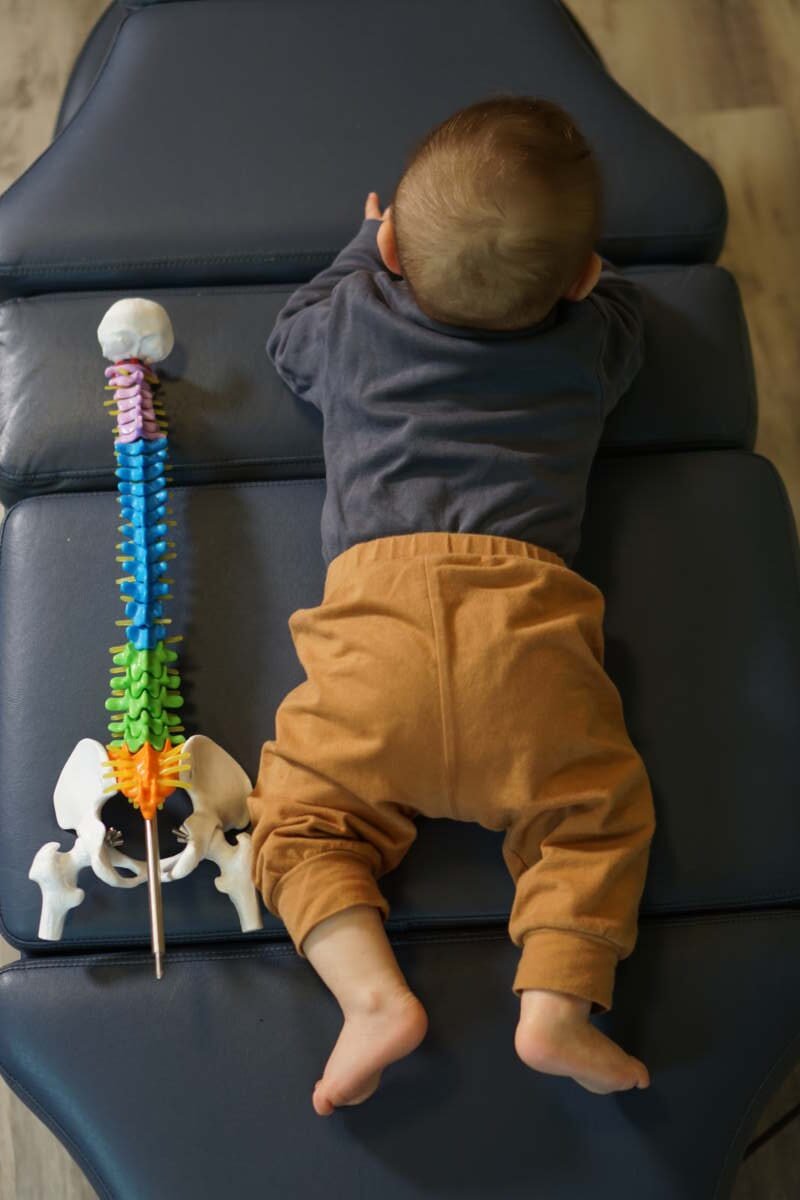
Spinal adjustments relieve neck and back pain by restoring proper joint motion, reducing mechanical stress on surrounding tissues, and interrupting pain signals traveling through compressed nerve pathways. When vertebral segments become restricted or misaligned whether from injury, repetitive strain, or postural dysfunction the body compensates with muscle tension, inflammation, and altered movement patterns. Controlled, high-velocity low-amplitude thrusts delivered to specific spinal segments break this cycle, allowing natural healing processes to resume and long-term mobility to improve.
Quick Answer: The Three Mechanisms Behind Adjustment-Based Pain Relief
Understanding how spinal adjustments relieve neck and back pain requires examining three distinct but interconnected pathways. Research from 2026 continues to validate that chiropractic manipulation creates measurable changes in joint mechanics, nervous system function, and inflammatory chemistry simultaneously.
- Mechanical pathway: Adjustments restore joint play and break adhesions within restricted facet joints, allowing vertebrae to move through their natural range without compensatory muscle guarding.
- Neurological pathway: High-velocity thrusts activate mechanoreceptors in joint capsules, overriding nociceptive (pain) signals through gate control mechanisms and normalizing proprioceptive input to the brain.
- Biochemical pathway: Spinal manipulation reduces pro-inflammatory cytokines and substance P levels, shifting tissue chemistry from a state of chronic inflammation toward healing.
These mechanisms work together rather than in isolation. When a chiropractor delivers a precise thrust to a hypomobile spinal segment, the immediate mechanical correction triggers cascading neurological and chemical responses. Patients seeking natural lower back pain relief often report not just reduced pain intensity but improved sleep, better movement confidence, and decreased muscle tension throughout the day.

Clinical investigation shows that effective spinal biomechanics correction addresses the root dysfunction rather than simply masking symptoms. This distinguishes manual therapy for pain from pharmaceutical approaches that interrupt pain signaling without correcting the underlying mechanical fault.
Restoring Spinal Joint Mobility Eliminates Compensatory Muscle Strain
When facet joints lose their natural glide and rotation what chiropractors call joint dysfunction surrounding musculature immediately compensates. The body perceives restricted motion as a threat and activates protective guarding patterns. This creates a cycle where tight muscles further restrict joint movement, which triggers more muscle tension.
Think of it like a door with a rusted hinge. You can still force it open, but every movement requires excess effort and creates uneven wear. The surrounding frame (muscles and connective tissue) absorbs forces it was never designed to handle. Over weeks and months, this compensatory strain manifests as chronic neck pain, persistent low back aches, and that telltale “stiffness” that never fully resolves.
Vertebral realignment through targeted adjustments directly addresses this mechanical failure. By delivering a controlled impulse to the specific restricted segment, the adjustment breaks capsular adhesions tiny scar tissue bridges that form within joint capsules during periods of immobility. This restores the joint’s normal arthrokinematic motion, allowing muscles to finally relax out of their protective state.
| Function | Restricted Joint | Mobile Joint |
|---|---|---|
| Range of Motion | Limited; causes compensatory movement in adjacent segments | Full; distributes movement evenly across spinal levels |
| Muscle Activity | Chronic protective guarding; hypertonicity | Normal tone; activates only during movement |
| Load Distribution | Uneven; accelerates degeneration at adjacent joints | Even; reduces wear patterns |
| Pain Signals | Constant nociceptive input from stressed tissues | Minimal; normal proprioceptive feedback |
| Degeneration Risk | Elevated due to abnormal mechanics | Normal; healthy joint nutrition maintained |
Patients often describe feeling “stuck” or “crooked” before treatment. After mechanical back pain relief through specific joint dysfunction treatment, that sensation shifts to confidence in movement. The spine moves as a coordinated unit rather than a series of individually struggling segments.
This mechanical restoration also explains why posture correction and spinal alignment work hand-in-hand. You cannot maintain healthy posture when specific joints refuse to move properly, and you cannot keep joints healthy when poor posture constantly stresses them in unnatural positions.
Decompressing Nerve Roots Reduces Radiating Pain and Sensory Symptoms
When patients report pain shooting down their arm or leg, numbness in their hands or feet, or tingling that wakes them at night, nerve root compression often sits at the center of the problem. The spinal cord branches into nerve roots that exit through small openings called intervertebral foramina. When these openings narrow a condition called foraminal stenosis nerve roots become irritated and compressed.
This compression produces the classic radicular symptoms: burning pain following a nerve pathway, sensory changes like pins and needles, and in some cases, muscle weakness in the distribution of that nerve. Mechanical compression directly irritates the nerve, while inflammatory chemicals released by degenerating discs and joints create a chemical irritation that compounds the problem.
Spinal adjustments address both components. By restoring normal joint position and segmental motion, chiropractic manipulation increases functional space within the intervertebral foramen. Studies measuring pre and post-adjustment imaging demonstrate measurable increases in intervertebral space following specific segmental adjustments.
Clinical research indicates that patients receiving targeted spinal manipulation for radicular symptoms showed significant improvement in pain scores and functional outcomes compared to baseline measurements.
The goal isn’t to “crack things back into place” as if vertebrae simply pop out and need resetting. Rather, spinal decompression methods work by improving joint mechanics, reducing muscle spasm that can further narrow foraminal space, and normalizing movement patterns that perpetuate compression.
For patients with disc herniations, the relationship becomes even more significant. Adjustments don’t force discs back into position, but they reduce the mechanical strain that prevents natural disc healing and can improve the movement environment around the injured segment. Combined with appropriate rehabilitation, this creates conditions where the body’s innate healing capacity can function without constant reinjury.
Neurological Gating: How Adjustments Block Pain Signal Transmission
Pain isn’t just a message sent from injured tissue to the brain. It’s a complex neurological conversation involving multiple pathways, and spinal adjustments change that conversation in fundamental ways. The gate control theory of pain, first proposed decades ago and continuously refined through 2026 research, explains one key mechanism.
Large-diameter sensory nerve fibers (A-beta fibers) carry non-painful information like pressure, vibration, and joint position sense. Small-diameter fibers (A-delta and C fibers) carry pain signals. These signals converge in the spinal cord at specialized neurons that determine what information reaches the brain. When large-diameter fiber activity is high like during the precise mechanical input of an adjustment it essentially “closes the gate,” reducing pain signal transmission.
This explains why patients often experience immediate relief during or right after an adjustment. The mechanical stimulus of the thrust activates mechanoreceptors in joint capsules, muscles, and connective tissue. This flood of proprioceptive input temporarily inhibits nociceptive transmission, creating an immediate window of reduced pain perception.
Neurophysiological research demonstrates that spinal manipulation activates mechanoreceptive afferents, inhibiting dorsal horn neuron activity and reducing temporal summation of pain signals in recipients.
Beyond the immediate gate effect, repeated adjustments appear to normalize abnormal sensory processing. Chronic pain creates neurological changes a kind of learned oversensitivity where the nervous system becomes hypervigilant. Spinal biomechanics correction through regular manual therapy helps recalibrate this system, reducing the hypersensitivity that keeps patients in pain cycles.
This neurological pathway works particularly well when combined with spinal adjustment and trigger point therapy. Trigger points those tender, taut bands in muscles generate their own nociceptive input and refer pain to distant areas. Addressing both joint dysfunction and soft tissue dysfunction provides comprehensive input that helps normalize nervous system activity.
Inflammatory Mediator Reduction Following High-Velocity Thrust Techniques
Chronic pain and acute injury both involve inflammation, but the chemistry looks different. Acute inflammation serves a purpose it brings healing cells and nutrients to injured tissue. Chronic inflammation, however, creates tissue destruction and persistent pain sensitization. Research examining blood and tissue samples before and after spinal manipulation reveals that adjustments actively shift this inflammatory chemistry.
Several key inflammatory markers respond to chiropractic manipulation:
- Substance P: A neuropeptide that transmits pain information and sensitizes nerves. Elevated levels correlate with chronic pain states. Adjustments have been shown to decrease Substance P concentrations.
- Interleukin-6 (IL-6): A pro-inflammatory cytokine elevated in chronic pain conditions. Mechanical stimulation through adjustment appears to modulate IL-6 production.
- Tumor Necrosis Factor-alpha (TNF-α): Another inflammatory cytokine involved in pain amplification. Manual therapy interventions demonstrate reduction in TNF-α activity.
- C-reactive protein (CRP): A systemic inflammatory marker. Studies tracking patients undergoing regular spinal manipulation show meaningful decreases in CRP levels over treatment courses.
This biochemical pathway explains something patients frequently report: adjustments seem to produce effects beyond what simple mechanical restoration would predict. Someone might feel better before range of motion objectively improves, or notice reduced pain even in areas distant from where they received treatment.
Laboratory analysis of blood samples from subjects receiving high-velocity low-amplitude spinal manipulation showed statistically significant reductions in pro-inflammatory cytokines and neuropeptides associated with pain transmission.
The implications extend beyond symptom relief. Chronic inflammation drives degeneration in joints, discs, and connective tissue. By normalizing inflammatory chemistry, spinal manipulation may slow degenerative processes. Patients choosing chiropractic care over medication receive benefits that extend beyond temporary symptom suppression to actual physiological chemistry change.
It’s worth noting that this biochemical response requires appropriate technique and specificity. Random joint “cracking” doesn’t produce the same effects. The controlled, high-velocity, low-amplitude thrust delivered to a specific segment appears necessary to trigger these systemic chemical changes.
How ChiropractOrr Targets Root Causes Beyond Symptom Suppression
Effective chiropractic care isn’t about forcing joints to pop. It begins with thorough assessment understanding which segments are restricted, which are hypermobile, where compensation patterns have developed, and what functional deficits exist. This diagnostic precision determines where to adjust, but equally importantly, where NOT to adjust.
Evidence-based assessment protocols include motion palpation to identify specific restriction patterns, orthopedic testing to reproduce and characterize symptoms, neurological examination to assess nerve function, and often imaging when indicated. This comprehensive evaluation reveals the actual dysfunction pattern rather than simply treating wherever pain is felt.
Pain location and pain source frequently differ. Someone might have neck pain stemming from restricted thoracic segments that force the neck to compensate. Adjusting only the neck provides temporary relief while the thoracic restriction perpetuates the problem. Identifying and addressing the primary dysfunction creates lasting change.
Modern chiropractic integrates multiple treatment approaches beyond adjustment alone. Soft tissue therapies address muscular components of dysfunction. Corrective exercise prescription retrains movement patterns that led to the problem initially. Ergonomic and lifestyle advice helps patients avoid reinjury. This comprehensive approach distinguishes comprehensive chiropractic services from outdated models that relied solely on adjustment.
The integration matters because mechanical dysfunction rarely exists in isolation. Restricted joints cause muscle tightness. Tight muscles alter movement. Altered movement creates compensatory strain elsewhere. Addressing only the joint component without considering soft tissue and movement patterns leaves patients vulnerable to recurrence.
Follow-up care emphasizes not just pain relief but functional restoration. Pain is the symptom that brings patients in. Improved function better movement, greater strength, more confidence in their body keeps them healthy long-term. The goal shifts from treating pain to building resilience against future episodes.
Key Takeaways: Evidence-Based Pain Relief Through Spinal Manipulation
Understanding the science behind spinal adjustments helps patients make informed decisions about their care. The evidence supporting chiropractic manipulation continues to strengthen, with 2026 clinical research validating mechanisms that clinicians have observed clinically for generations.
- Mechanical restoration: Adjustments break capsular adhesions and restore joint play, allowing normal movement and eliminating compensatory strain patterns that perpetuate pain.
- Nerve decompression: By improving joint position and reducing muscle spasm, adjustments increase functional space around nerve roots, addressing the mechanical component of radicular symptoms.
- Pain gating: High-velocity thrusts activate mechanoreceptors that override nociceptive signals, providing both immediate relief and cumulative normalization of sensory processing.
- Anti-inflammatory effects: Spinal manipulation reduces pro-inflammatory mediators including Substance P and various cytokines, shifting tissue chemistry toward healing.
- Integrated approach: Comprehensive care combines specific adjustments with soft tissue therapy and corrective exercise, addressing root causes rather than just symptoms.
These mechanisms work together synergistically. The mechanical correction enables improved function. The neurological changes reduce pain perception. The biochemical shifts support healing at the tissue level. Patients benefit from multiple simultaneous pathways to recovery.
For many individuals with mechanical spine pain, chiropractic adjustment over surgery offers significant advantages: no surgical risks, faster recovery, lower cost, and preserved anatomy. Conservative care should typically be the first approach for non-emergency spinal conditions, with more invasive options reserved for cases that fail to respond.
Frequently Asked Questions About Spinal Adjustments and Pain Relief
Are spinal adjustments safe for treating neck and back pain?
Yes. Serious adverse events following spinal manipulation are extremely rare, estimated at less than 1 in 1 million adjustments for cervical procedures. The most common side effects mild soreness or stiffness typically resolve within 24-48 hours. Proper screening and technique selection minimize any risk.
How many chiropractic sessions are needed to relieve pain?
It depends on the condition. Acute mechanical back pain often responds within 4-6 sessions, while chronic conditions may require 12 or more visits for optimal outcomes. Frequency typically decreases as function improves, transitioning from acute care to maintenance or preventive care.
Do spinal adjustments hurt during treatment?
Generally no. Most patients experience relief or neutral sensation during adjustment. Some report brief discomfort during the thrust similar to stretching a tight muscle that immediately resolves. Any post-treatment soreness usually resembles exercise-induced muscle soreness and fades quickly.
What creates the popping or cracking sound during an adjustment?
Gas release within the joint. When joint surfaces separate rapidly, pressure drops and dissolved gases form bubbles, creating the audible pop. This sound doesn’t indicate success or failure effective adjustments occur without it, and cavitation without specific correction provides no therapeutic benefit.
Can I adjust my own spine by cracking my back?
You can create sound, not correction. Self-cracking produces cavitation but lacks the specificity, control, and preparation of professional adjustment. It often mobilizes already-mobile segments while restricted segments remain unaddressed, potentially worsening compensation patterns over time.
How long do adjustment results last?
Results vary by condition and lifestyle. Some patients experience lasting relief from a single treatment, while others require ongoing care. Factors including posture, occupation, stress, and exercise habits influence durability. preventing neck pain with adjustments becomes easier when patients combine care with lifestyle modifications.