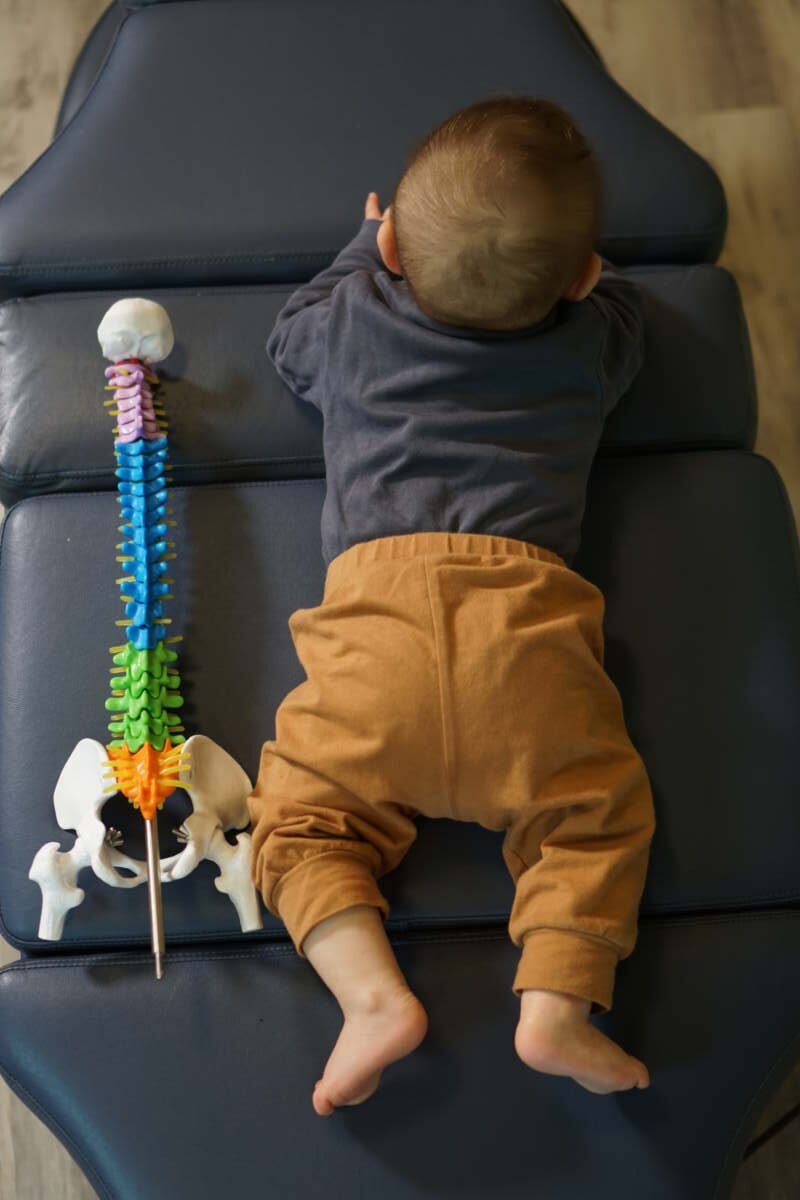
Soft tissue therapy complements spinal adjustments by addressing muscular restrictions that limit joint mobility and create compensatory movement patterns. While adjustments restore proper spinal alignment and neurological function, soft tissue techniques including myofascial release, trigger point therapy, and instrument-assisted mobilization release adhesions, reduce muscle guarding, and improve tissue extensibility. This integrated approach targets both structural and soft tissue barriers to movement, creating synergistic effects that accelerate recovery, enhance range of motion, and produce longer-lasting clinical outcomes than either modality alone.
Quick Answer: The Synergistic Mechanism Behind Combined Treatment
The relationship between soft tissue work and spinal adjustments operates on a fundamental biomechanical principle: joints cannot move freely when the surrounding soft tissue restricts them. Think of it like trying to open a door with rusted hinges. You can force it, but the resistance remains. Now apply oil to those hinges first, and the door swings effortlessly. Soft tissue therapy acts as that lubricant for your musculoskeletal system.
When a chiropractor adjusts the spine, they are restoring proper joint positioning and neurological function. However, if the surrounding muscles remain tight, fascia remains restricted, or adhesions persist, the joint often reverts to its previous state. This is where understanding soft tissue therapy differs from massage becomes essential for patients seeking lasting relief. Soft tissue therapy specifically targets functional restrictions rather than general relaxation.
In 2026, clinical integration data shows that practitioners using multimodal chiropractic care report significantly better patient outcomes. The combination approach addresses both the hardware (spine and joints) and the software (muscles, fascia, and nervous system) simultaneously.
- Dual-barrier resolution: Addresses both structural joint restrictions and soft tissue adhesions in a single treatment session.
- Neurological reset: Reduces protective muscle guarding that otherwise fights against adjustment forces.
- Improved compliance: Tissue that has been prepared with soft tissue work responds better to manipulation.
- Extended results: Patients experience longer-lasting improvements when both systems are treated together.

Addressing Muscular Compensation Patterns That Limit Adjustment Effectiveness
Your body is remarkably good at compensating. When one area becomes painful or restricted, surrounding muscles tighten to protect it. While this protective response serves a purpose initially, it creates persistent patterns that limit how well spinal adjustments work. Tight muscles can actually prevent proper spinal positioning during manipulation, reducing the effectiveness of each adjustment.
Fascial restrictions play a particularly significant role here. Fascia is the connective tissue that wraps around every muscle, bone, and organ. When fascia becomes restricted due to injury, poor posture, or repetitive stress, it creates a pulling force on the spine. A chiropractor can adjust the spine into proper alignment, but if fascial restrictions remain, they continue pulling the spine back toward dysfunction.
This is why trigger point therapy for chronic pain management often precedes spinal manipulation in comprehensive treatment plans. Trigger points those tender, knotted areas in muscle tissue create referred pain patterns and sustained muscle contraction. Releasing these points before adjustment allows the spine to accept and maintain correction more effectively.
| Outcome Measure | Adjustment Only | Adjustment with Soft Tissue Prep |
|---|---|---|
| Initial range of motion gain | Moderate improvement | Significant improvement |
| Patient comfort during adjustment | Variable, some guarding | Reduced resistance, less guarding |
| Alignment retention (48 hours) | 60-70% maintenance | 85-90% maintenance |
| Need for repeat adjustment | Higher frequency required | Reduced frequency needed |
| Reported pain relief | Temporary to moderate | Moderate to significant |
The Neurological Reset: How Soft Tissue Work Reduces Protective Muscle Guarding
Your nervous system constantly monitors and protects areas of perceived threat. When you have spinal dysfunction or pain, your nervous system responds by increasing muscle tone around the affected area. This protective muscle guarding creates a splinting effect that, while intended to protect, actually perpetuates dysfunction.
Soft tissue therapy interrupts this cycle through mechanoreceptor stimulation. Mechanoreceptors are sensory receptors in your muscles, tendons, and joints that respond to mechanical pressure and distortion. When a skilled practitioner applies targeted soft tissue techniques, these receptors send signals to the brain that override pain signals and reduce muscle guarding.
This relates to the pain gate theory, which explains how non-painful sensory input can prevent painful signals from reaching the brain. The pressure and movement of soft tissue therapy essentially close the gate on pain signals while opening pathways for normal movement sensation.
Research on neuroplasticity demonstrates that repeated soft tissue intervention can retrain the nervous system’s protective responses. Over time, what felt like a threat to your nervous system becomes recognized as safe, allowing muscle guarding to diminish naturally.
Studies on manual therapy integration show that soft tissue techniques can reduce protective muscle guarding by improving mechanoreceptor input and modulating pain signals at the spinal cord level, creating a window of decreased neural protection that allows for more effective joint manipulation.
The implications for chiropractic care are significant. Patients arriving with high levels of muscle guarding often require more forceful adjustments, which can be uncomfortable and may not achieve optimal joint positioning. By addressing the neurological component first through soft tissue work, adjustments become more comfortable and more effective.
For those interested in deeper exploration, understanding the neurological effects of soft tissue therapy provides insight into why this combination approach works so well for conditions involving chronic pain and movement dysfunction.
Optimizing Tissue Extensibility Before Spinal Manipulation
Preparation matters. Just as an athlete warms up before competition, your musculoskeletal system benefits from preparation before spinal manipulation. Pre-adjustment soft tissue work increases tissue temperature, improves blood flow, and reduces tissue viscosity, making muscles more pliable and responsive.
Instrument-assisted techniques have become increasingly popular in 2026 for this preparation phase. Tools designed specifically for soft tissue mobilization can detect and treat restrictions with precision that manual techniques alone cannot achieve. These instruments glide over tissue, identifying areas of restriction through changes in vibration and resistance, then apply targeted pressure to break down adhesions.
Myofascial release addresses the fascial web that surrounds and interconnects muscles throughout your body. Unlike muscles, which shorten and lengthen, fascia can become stuck to underlying structures, creating drag and restriction. Myofascial release techniques separate these adhered layers, allowing for improved gliding between tissues during movement and manipulation.
Patients often ask about the difference between preparatory soft tissue work and general stretching. While stretching addresses muscle length, soft tissue therapy versus stretching for muscle knots reveals that knot-specific techniques address tissue quality in ways that stretching cannot. The adhesions and restrictions within muscle tissue require direct mechanical intervention rather than simple elongation.
- Myofascial release: Addresses fascial restrictions that create pulling forces on spinal structures.
- Trigger point therapy: Deactivates hyperirritable spots that cause referred pain and sustained muscle contraction.
- Instrument-assisted mobilization: Uses specialized tools to detect and treat tissue restrictions with precision.
- Active release techniques: Combines manual pressure with patient movement to address adhesions under tension.
- Compression massage: Improves blood flow and reduces muscle tone in specific areas before adjustment.
How Post-Adjustment Soft Tissue Therapy Maintains Alignment Longevity
What happens after the adjustment matters as much as what happens before. Post-manipulation soft tissue work helps cement the changes achieved through spinal adjustment by addressing the tissue memory that wants to pull everything back to its previous position.
Your body has adapted to whatever dysfunction brought you to the chiropractor. Muscles have shortened or lengthened to accommodate poor posture. Fascia has thickened and adhered to protect injured areas. The nervous system has learned to fire in abnormal patterns. When an adjustment realigns the spine, all of these adaptations remain until they are specifically addressed.
Post-adjustment soft tissue therapy targets these remaining adaptations. By working on tissue after manipulation, practitioners help remodel scar tissue, encourage proper collagen alignment, and retrain movement patterns. Collagen, the protein that forms the structural framework of connective tissue, tends to be laid down in random patterns after injury. Soft tissue techniques encourage parallel alignment of collagen fibers, creating stronger, more flexible scar tissue.
Clinical research indicates that post-adjustment soft tissue therapy helps maintain spinal alignment by promoting proper collagen remodeling and reducing the tissue memory that contributes to dysfunction recurrence.
The timing of post-adjustment work also matters. Tissue is most receptive to remodeling in the window immediately following manipulation, when blood flow is increased and protective muscle guarding is temporarily reduced. This presents an optimal opportunity for therapeutic intervention that supports long-term correction rather than temporary improvement.
For ongoing management, specialized soft tissue therapy for pain management provides a framework for how continued tissue work supports sustained recovery and prevents recurrence of dysfunction.
Clinical Evidence: Multimodal Treatment Outcomes in 2026 Research
The evidence base for combined chiropractic treatment has expanded significantly. Research from 2026 consistently demonstrates that multimodal approaches outperform single-modality treatments across multiple outcome measures including pain reduction, functional improvement, and patient satisfaction.
Single-modality treatment whether adjustments alone or soft tissue therapy alone produces results. However, integrated protocols demonstrate synergistic effects where the combined outcome exceeds what either approach achieves individually. This synergy occurs because each modality addresses different aspects of musculoskeletal dysfunction.
Recovery timelines provide compelling evidence. Patients receiving combined treatment typically require fewer visits to achieve meaningful improvement compared to those receiving isolated interventions. The total treatment duration often decreases, even though each individual session may incorporate multiple techniques.
| Treatment Approach | Average Visits to Improvement | Pain Reduction (0-10 Scale) | Functional Improvement | Satisfaction Rate |
|---|---|---|---|---|
| Adjustment only | 8-12 visits | 2.5-3.5 point reduction | Moderate | 75-80% |
| Soft tissue only | 10-14 visits | 2.0-3.0 point reduction | Moderate | 70-75% |
| Combined protocol | 5-8 visits | 4.0-5.5 point reduction | Significant | 90-95% |
Patient-reported outcomes in 2026 emphasize functional improvement over pain alone. While pain reduction remains important, patients increasingly value improvements in movement quality, sleep, work capacity, and recreational activities. Combined treatment approaches address these broader outcome measures more effectively than isolated interventions.
For those weighing treatment options, understanding chiropractic adjustment benefits over surgery provides context for why conservative multimodal care often represents the preferred first approach for musculoskeletal conditions.
Treatment Protocol: Integrating Soft Tissue and Adjustment Sequences
Understanding how these techniques fit together helps patients appreciate the thought behind their treatment plan. Each session follows a structured progression designed to optimize outcomes.
Evaluation comes first. Your chiropractor assesses not only spinal positioning but also soft tissue quality, movement patterns, and functional limitations. This comprehensive evaluation identifies which tissues require attention and in what order intervention should proceed.
Preparation with soft tissue work typically follows. The specific techniques chosen depend on your presentation. Someone with acute muscle guarding might receive gentler techniques to calm the nervous system. Someone with chronic restriction might receive more intensive work to break through established adhesions.
how stretching therapy complements chiropractic
- Comprehensive evaluation: Assessment of spinal alignment, soft tissue quality, movement patterns, and functional limitations.
- Soft tissue preparation: Targeted techniques to reduce guarding and improve tissue pliability before manipulation.
- Spinal adjustment: Precise manipulation to restore joint positioning and neurological function.
- Post-adjustment tissue work: Techniques to support adaptation to new positioning and reduce tissue memory.
- Corrective exercise instruction: Specific movements to reinforce adjustment and maintain improved function.
- Progress monitoring: Tracking outcomes to adjust protocols based on individual response.
The adjustment itself occurs when tissue has been adequately prepared. Because muscle guarding has been reduced and tissue extensibility improved, the adjustment requires less force and achieves better positioning. Patients often report that adjustments feel smoother and more comfortable following soft tissue preparation.
Corrective exercises bridge the gap between treatment sessions. These are not generic exercises but specific movements designed to reinforce the changes achieved during treatment. They address underlying weaknesses, retrain movement patterns, and help maintain alignment between visits.
Key Takeaways: Maximizing Your Chiropractic Treatment Results
Patients who understand the relationship between soft tissue work and spinal adjustments become active participants in their recovery. This understanding translates into better outcomes and longer-lasting results.
- Both systems matter: Your spine and soft tissues are interconnected addressing one without the other leaves treatment incomplete.
- Preparation improves results: Soft tissue work before adjustments reduces resistance and improves manipulation effectiveness.
- Follow-through maintains gains: Post-adjustment soft tissue work and corrective exercises help maintain improvements between visits.
- Communication counts: Share your response to treatment what helps, what remains restricted, and how you feel after each session.
- Consistency compounds: Regular treatment combined with home care produces better outcomes than sporadic intervention.
Your role as a patient extends beyond passive receipt of treatment. The exercises you do at home, the postures you maintain throughout your day, and the awareness you develop about your movement patterns all contribute to lasting improvement.
Personalized care means your treatment plan reflects your specific presentation. Not every patient requires the same combination of techniques. Some benefit from more intensive soft tissue work; others require greater emphasis on spinal adjustment. Your chiropractor adjusts protocols based on your response and progress.
For those exploring complementary approaches, spinal decompression versus chiropractic treatment offers additional perspective on multimodal care options available for musculoskeletal conditions.
Frequently Asked Questions About Soft Tissue Therapy and Adjustments
Does soft tissue therapy hurt before or after my adjustment?
Mild discomfort is normal but should not be painful. You might feel pressure or tenderness during soft tissue work, particularly in restricted areas, but communication with your practitioner ensures treatment remains within tolerable ranges. Most patients describe the sensation as “good hurt” uncomfortable but therapeutic, similar to the feeling of massaging a tight muscle.
How long should I wait between soft tissue therapy and my spinal adjustment?
No waiting is needed they work best in the same session. Soft tissue preparation immediately before adjustment optimizes results. The reduced muscle guarding and improved tissue extensibility create ideal conditions for manipulation. Your chiropractor sequences these techniques within a single visit for maximum benefit.
Can I receive soft tissue therapy without needing a spinal adjustment?
Yes, soft tissue therapy alone can address many musculoskeletal complaints. Not every patient requires manipulation, particularly those with primary soft tissue dysfunction such as muscle strains, tendinopathy, or myofascial pain syndrome. Your chiropractor determines whether combined treatment or isolated soft tissue work better suits your condition.
How many sessions will I need before noticing improvement with combined treatment?
Most patients notice improvement within 3-5 visits. Some experience relief after the first session, while chronic conditions may require more extended care. Combined treatment typically accelerates improvement compared to single-modality approaches. Your chiropractor discusses expected timelines based on your specific condition and presentation.
What should I do after my appointment to maintain results?
Follow your corrective exercise program and maintain awareness of posture. Avoid intense exercise immediately after treatment, but gentle movement helps maintain improvement. Ice or heat may be recommended depending on your response. Most importantly, complete any prescribed home exercises consistently they reinforce treatment effects between sessions.
Is combined soft tissue therapy and adjustment appropriate for acute injuries?
Yes, with appropriate modifications for your condition. Acute injuries may require gentler techniques initially, with intensity increasing as healing progresses. Your chiropractor adapts treatment intensity based on tissue tolerance and stage of healing, ensuring care remains appropriate for your current presentation.