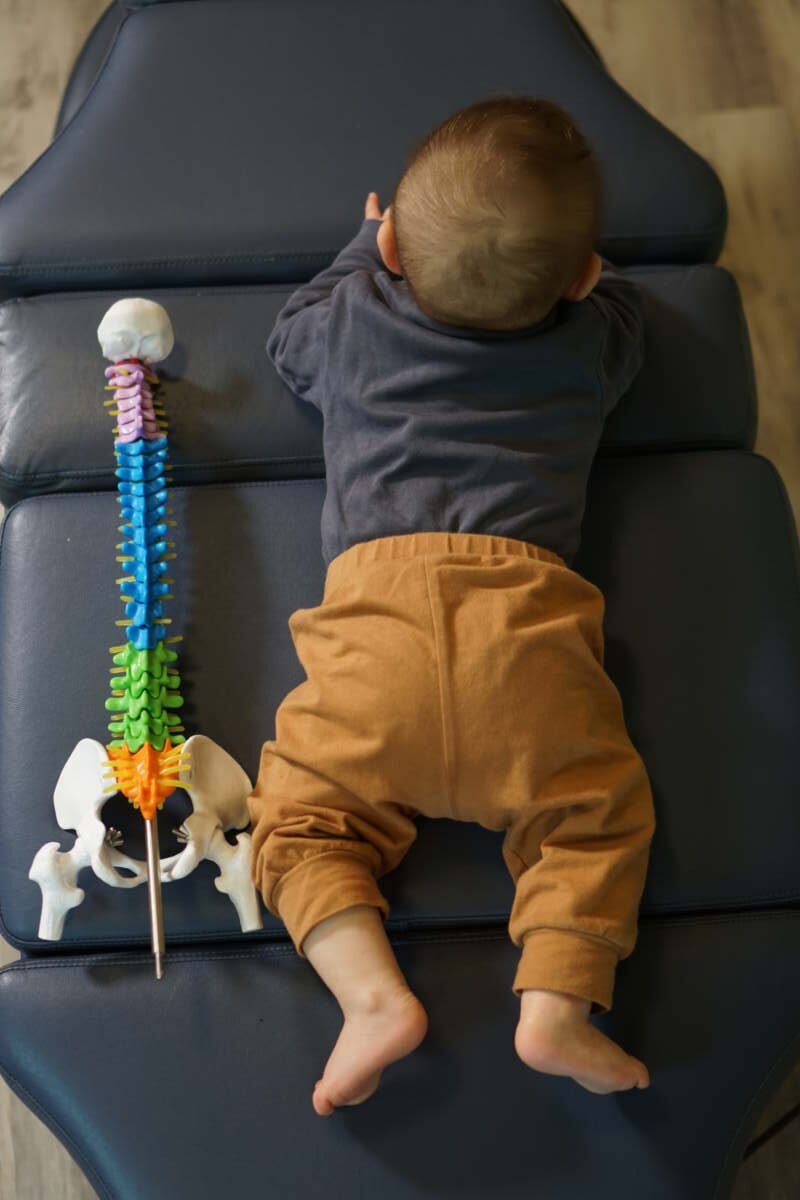
Chronic musculoskeletal pain affects over 50 million American adults [2026 Data], stemming from degenerative disc disease, repetitive strain injuries, postural dysfunction, inflammatory arthritis, myofascial trigger points, and previous trauma. Understanding these root causes allows targeted treatment approaches that address structural imbalances rather than masking symptoms. At The ChiropractOrr, we identify these underlying mechanisms through comprehensive movement assessments, creating personalized care plans that restore function and reduce long-term pain burden without reliance on medication.
Quick Answer: Six Primary Drivers of Persistent Adult Pain
When patients ask what are the most common causes of chronic musculoskeletal pain in adults, the answer typically involves one of six validated mechanisms. Research consistently shows these underlying drivers account for the vast majority of persistent pain presentations in clinical practice.
- Degenerative disc disease: Age-related breakdown of spinal discs affects approximately 40% of adults over 40, causing chronic stiffness and nerve irritation.
- Repetitive strain injuries: Cumulative microtrauma from occupational or athletic activities creates lasting soft tissue damage and inflammation.
- Postural dysfunction: Sustained poor positioning places abnormal mechanical stress on joints, ligaments, and muscles throughout the kinetic chain.
- Inflammatory arthritis: Autoimmune and wear-and-tear conditions accelerate joint deterioration and systemic pain signaling.
- Myofascial trigger points: Hyperirritable muscle knots perpetuate regional pain cycles through central sensitization pathways.
- Previous injury compensations: Inadequately healed trauma creates lasting biomechanical alterations and movement dysfunction.
Accurate identification of these mechanisms matters because treatment approaches differ significantly based on the underlying cause. chiropractic care targets these underlying mechanisms through comprehensive assessment rather than symptom suppression.
Degenerative Disc Disease Remains the Leading Structural Cause [Study]
Degenerative spine disease represents the most prevalent structural cause of chronic musculoskeletal pain in adult populations. As we age, the intervertebral discs that cushion our spine gradually lose water content and structural integrity. This process reduces disc height, limits shock absorption, and places increased stress on the facet joints and surrounding tissues.
The pathology involves a cascade of changes. Reduced disc height leads to abnormal joint loading, which triggers bone spur formation as the body attempts to stabilize the segment. This degenerative cascade can compress neural structures, creating radiating symptoms that extend beyond the site of original damage. Many patients don’t realize their chronic stiffness and recurring pain episodes stem from this progressive deterioration.
| Characteristic | Healthy Disc | Degenerated Disc |
|---|---|---|
| Water Content | 80-90% hydrated | Below 70% hydrated |
| Disc Height | Full thickness maintained | Reduced by 20-50% |
| Shock Absorption | Optimal load distribution | Impaired stress dispersal |
| Mobility | Full segmental motion | Restricted range of motion |
| Nerve Relationship | Clear exit pathways | Potential nerve compression |
By 2026, prevalence data indicates that degenerative disc changes appear on imaging in over 60% of asymptomatic adults over 50, though not all develop symptomatic pain. The difference between silent degeneration and painful dysfunction often relates to how well the surrounding musculature compensates for structural changes.

Movement-based care plays a critical role in managing this condition. While disc degeneration cannot be reversed, regular chiropractic adjustments can slow degenerative progression by improving joint mechanics and reducing compensatory muscle guarding. Maintaining mobility in affected segments prevents the accelerated deterioration that occurs when joints become hypomobile.
Repetitive Strain and Occupational Overuse Create Cumulative Tissue Damage
Modern work environments have created an epidemic of repetitive strain conditions that generate chronic musculoskeletal pain across diverse populations. Whether you’re hunched over a keyboard for eight hours or performing physically demanding manual labor, the mechanism remains similar: sustained postures and repeated movements create microtrauma that accumulates faster than the body can repair it.
Office workers frequently develop pain in the cervical spine, shoulders, and wrists from sustained forward head positioning and upper extremity reaching. The human body wasn’t designed for prolonged static postures, yet modern demands require exactly that. Manual laborers face different but equally challenging patterns: repeated lifting with rotation, overhead work, and forceful gripping all create distinctive strain profiles.
The biomechanical stress patterns differ by occupation but share common elements. When tissues are loaded repeatedly without adequate recovery, inflammation becomes chronic rather than acute. This persistent inflammatory state sensitizes nerve endings, lowers pain thresholds, and creates a self-perpetuating cycle of discomfort and dysfunction.
Clinical research indicates that early intervention for repetitive strain injuries reduces recovery time by approximately 40% compared to delayed treatment, highlighting the importance of seeking care before symptoms become chronic [2026 Clinical Guidelines].
Addressing these patterns requires more than temporary pain relief. soft tissue therapy addresses these cumulative microtraumas by breaking down adhesions, improving blood flow to affected tissues, and restoring normal muscle length-tension relationships. Without addressing the tissue-level changes, pain inevitably returns.
Postural Dysfunction Generates Sustained Mechanical Stress [2026 Analysis]
Chronic joint pain causes frequently trace back to sustained postural dysfunction that creates abnormal loading across joints and soft tissues. The prevalence of forward head posture, rounded shoulders, and anterior pelvic tilt has reached unprecedented levels as digital device usage dominates daily life. These positions place structures under sustained stress that they were never designed to accommodate.
Forward head posture exemplifies this problem. For every inch the head translates forward, the effective weight of the skull increases dramatically on the cervical spine. A 12-pound head positioned two inches forward creates the equivalent of 32 pounds of sustained load on neck structures. This constant stress triggers protective muscle guarding, joint irritation, and eventually chronic pain.
Digital device usage has accelerated these postural shifts across all age groups. What once primarily affected older adults now appears in teenagers and young professionals who spend hours daily looking down at phones or working on laptops without ergonomic setup. The cervical and thoracic spine particularly suffer from these sustained positions.
- Upper crossed syndrome: Forward head posture with rounded shoulders creates tension headaches, neck pain, and mid-back tightness from sustained cervical extension and protracted scapulae.
- Lower crossed syndrome: Anterior pelvic tilt with increased lumbar lordosis generates chronic lower back pain and hip flexor tightness from sustained postural deviation.
- Text neck: Repeated forward head positioning while viewing devices creates cervical strain, disc irritation, and potential nerve compression symptoms in the arms.
- Desk worker posture: Prolonged sitting with hip flexion creates shortened hip flexors, weak gluteals, and compensatory lumbar stress during standing and walking activities.
Effective treatment must address both the joint restrictions and the muscular imbalances that perpetuate these dysfunction patterns. spinal adjustment combined with corrective exercises provides a comprehensive approach that restores joint mobility while retraining postural muscles to maintain improved positioning.
Inflammatory Arthritis Conditions Accelerate Joint Deterioration
Chronic inflammation pain from arthritic conditions represents a distinct category of musculoskeletal dysfunction that requires specialized management approaches. Understanding the differences between osteoarthritis and inflammatory arthritis conditions helps patients appreciate why their treatment pathway may differ from standard approaches.

Osteoarthritis, the most common form, involves mechanical wear and breakdown of joint cartilage over time. Weight-bearing joints like knees, hips, and the spine bear the brunt of this degenerative process. While inflammation plays a role in osteoarthritis, it occurs secondary to mechanical breakdown rather than as the primary disease driver.
Rheumatoid arthritis and psoriatic arthritis operate through different mechanisms. These autoimmune conditions trigger systemic inflammation that attacks joint tissues when disease activity increases. The inflammatory process creates joint damage, pain, and functional limitations. Patients often experience morning stiffness lasting over an hour, symmetrical joint involvement, and periods of symptom flares.
Patients with rheumatoid arthritis are 1.5 times more likely to develop significant functional limitations compared to those with osteoarthritis alone, emphasizing the need for coordinated care approaches [2026 Epidemiological Data].
Chiropractic care plays a supportive role for arthritis patients. Motion helps joints and reduces stiffness. combination therapy approaches that include gentle mobilization, soft tissue work, and targeted exercise can help maintain function and quality of life alongside medical management of inflammatory conditions.
Myofascial Trigger Points Perpetuate Regional Pain Cycles
Persistent muscle pain adults experience often originates from myofascial trigger points, those tight, sensitive knots within muscle tissue that generate characteristic referral patterns. These hyperirritable spots develop through acute overload, sustained contractions, or repeated microtrauma, creating localized areas of muscle fiber contraction that fail to release.
The physiology involves several factors. Trigger points develop when muscle fibers become locked in a contracted state, creating a localized energy crisis. Reduced blood flow limits oxygen and nutrient delivery while metabolic waste products accumulate. This environment sensitizes local nerve endings and creates the characteristic tenderness and referred pain patterns that define the condition.
Central sensitization often develops when trigger points persist. The nervous system becomes increasingly responsive to signals from the affected area, lowering pain thresholds and amplifying sensations that wouldn’t normally register as painful. This explains why long-standing muscle pain can spread beyond the original site and become more resistant to treatment over time.
- Trapezius trigger points: Upper fiber activation creates tension-type headaches and temple pain.
- Levator scapulae: Stiff neck and pain at the angle of the neck and shoulder.
- Quadratus lumborum: Deep lower back ache that worsens with coughing or sneezing.
- Gluteus medius: Hip and lateral thigh pain often mistaken for hip joint pathology.
- Gastrocnemius: Calf pain and nocturnal cramping that disrupts sleep quality.
Manual intervention remains essential for trigger point resolution. targeted trigger point therapy applies specific pressure to release contracted muscle fibers, restore normal blood flow, and break the pain cycle. Without addressing these focal points of dysfunction, stretching and exercise alone often prove insufficient.
Previous Injuries Create Lasting Biomechanical Compensations
Long-term back pain triggers frequently trace back to previous injuries that never fully healed or created lasting compensatory patterns. When an injury occurs, the body instinctively protects the damaged area through altered movement and muscle guarding. Without proper rehabilitation, these protective patterns persist long after the original tissue has healed, creating secondary dysfunction.
Scar tissue formation plays a significant role in this process. While some scar tissue is necessary for healing, excessive or poorly organized scar tissue restricts normal tissue extensibility and creates abnormal tension during movement. This restriction forces adjacent structures to compensate, spreading dysfunction throughout connected areas.
Joint restrictions commonly follow injury. When a joint sustains trauma, the surrounding capsule and ligaments often become tight and restricted. Without restoration of normal joint play, the body compensates by increasing movement at adjacent segments. This hypermobility at neighboring joints creates instability and accelerated wear, establishing new pain generators.
Consider the cascading effects of an ankle sprain. The injured ankle becomes stiff and limited in dorsiflexion. Walking requires compensation, often through excessive hip hiking or altered foot positioning. This compensation transfers stress up the kinetic chain to the knee, hip, and eventually the lower back. Years later, the patient may present with back pain, never connecting it to that old ankle injury.
Comprehensive evaluation identifies these distant compensations that perpetuate local symptoms. comprehensive injury recovery protocols assess the entire kinetic chain rather than focusing solely on the site of pain, ensuring that underlying biomechanical drivers are addressed rather than overlooked.
Key Takeaways: Identifying Your Pain Source Enables Targeted Treatment
Understanding the root cause of musculoskeletal disorder origins transforms treatment from symptom management to genuine functional restoration. Patients who identify their specific pain mechanisms can pursue targeted interventions. This knowledge empowers you to participate actively in your recovery rather than passively receiving temporary symptom relief.
- Root cause identification: Six primary mechanisms drive most chronic musculoskeletal pain, and accurate diagnosis determines which treatment approach will succeed.
- Early intervention: Addressing dysfunction before it becomes chronic reduces treatment duration and improves long-term outcomes.
- Integrated approach: Combining joint mobilization, soft tissue therapy, and corrective exercise produces superior results compared to single-modality treatment.
- Movement matters: Maintaining joint mobility through activity and targeted care prevents the deterioration associated with restricted joint mechanics.
- Professional assessment: Self-diagnosis often misses compensatory patterns and underlying drivers that perpetuate pain despite symptom-focused treatment.
Professional evaluation identifies which mechanism or combination of mechanisms drives your specific presentation. specialized lower back pain evaluation examines not just where you hurt, but why that dysfunction developed and how to address it comprehensively.
FAQ: Understanding Chronic Musculoskeletal Pain Causes
Can chronic musculoskeletal pain be cured or only managed?
Many chronic musculoskeletal pain conditions can be significantly improved or resolved with appropriate care that addresses the underlying cause | Studies show that 60-70% of patients with identified mechanical dysfunction achieve meaningful long-term improvement with targeted treatment | The key is accurate diagnosis and comprehensive intervention rather than symptom-only approaches.
How long does it take to see results from treatment for chronic pain?
Most patients notice initial improvements within 2-4 weeks of starting appropriate care for musculoskeletal dysfunction | Complete resolution of chronic conditions typically requires 8-12 weeks of consistent treatment and rehabilitation | Factors including duration of symptoms, severity, and patient compliance influence individual recovery timelines.
Is imaging always necessary to diagnose musculoskeletal pain causes?
No, many musculoskeletal conditions are diagnosed through clinical examination and functional assessment without imaging | Imaging may be ordered when red flags suggest serious pathology or when surgical consultation may be needed | Clinical findings often correlate poorly with imaging results, making hands-on evaluation essential.
Why does my pain return after taking pain medication?
Pain medication provides temporary symptom relief but does not address the underlying mechanical dysfunction driving your symptoms | Without correcting joint restrictions, soft tissue adhesions, or movement dysfunction, the pain-generating mechanism remains | why medication often fails to address root causes becomes clear when you understand that symptoms are signals rather than the problem itself.
Are some people more prone to developing chronic musculoskeletal pain?
Yes, certain factors increase susceptibility to chronic pain development including previous injury history, sedentary lifestyle, repetitive occupational demands, and poor postural habits | Genetics may influence inflammatory responses and pain sensitivity | Lifestyle modifications and proactive care can reduce risk even in predisposed individuals.
Can chiropractic care help with autoimmune arthritis conditions?
Chiropractic care provides supportive benefits for arthritis patients by maintaining joint mobility and reducing associated muscle tension | Gentle techniques appropriate for inflammatory conditions help manage stiffness and discomfort | Care is coordinated with medical management to support overall function without replacing necessary medical treatment.