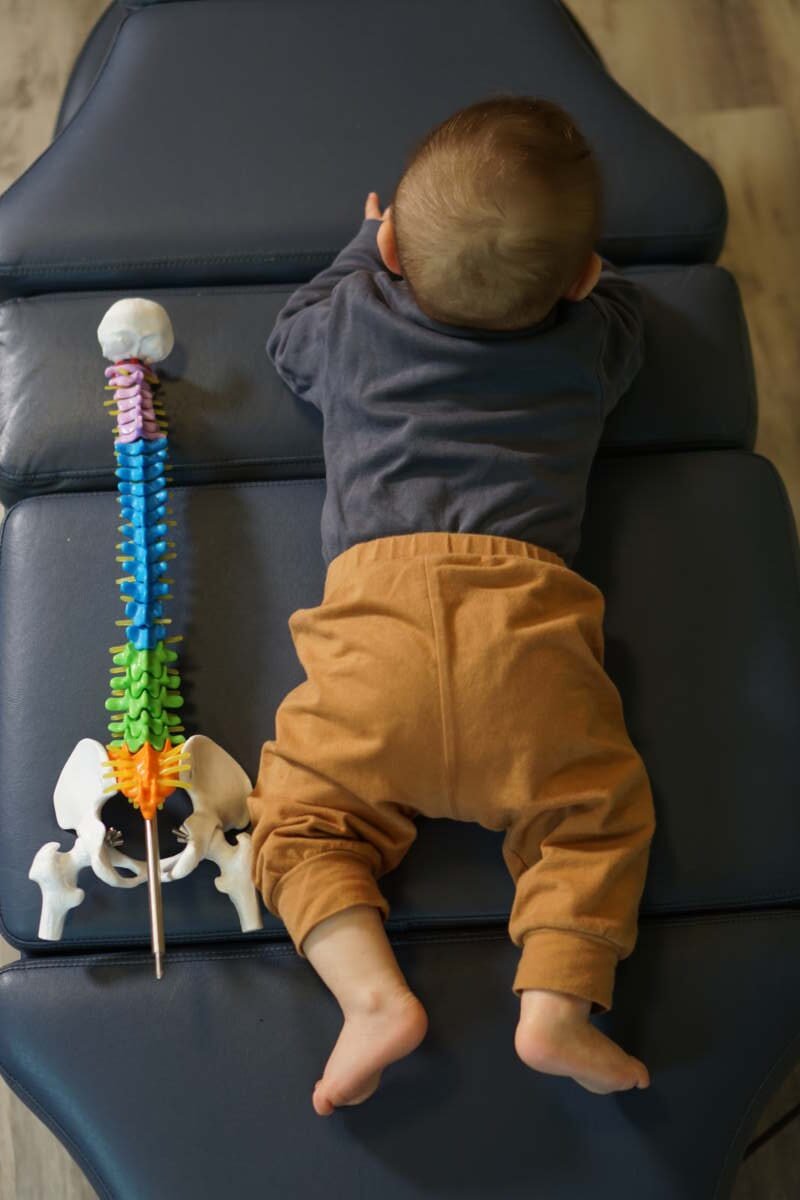
Myofascial release therapy is a hands-on treatment that targets fascial restrictions the tight, thickened areas in connective tissue surrounding muscles to restore mobility and reduce chronic pain. By applying sustained pressure to fascial adhesions, this technique decompresses nerve pathways, improves blood flow, and addresses the root mechanical dysfunctions behind conditions like chronic back pain, plantar fasciitis, and movement disorders [Clinical Data][2026]. Rather than temporarily masking symptoms, myofascial release remodels tissue architecture to create lasting functional improvements.
The Biomechanics of Fascial Restriction and Pain Generation
Fascia is the transparent, cobweb-like connective tissue that wraps around every muscle fiber, bundle, and organ in your body. Think of it as a three-dimensional sweater woven throughout your entire structural system when one thread pulls tight, the tension radiates across the whole fabric. This interconnected network means a restriction in your hip can literally pull on your shoulder, creating discomfort far from the actual problem site.
When fascia is healthy, it glides smoothly as you move, sliding and stretching without resistance. But trauma, repetitive stress, inflammation, or prolonged poor posture causes this tissue to thicken and lose elasticity. The ground substance inside fascia dehydrates and becomes gel-like, creating what researchers call “densification.” These thickened areas act like snags in a sweater, restricting movement and compressing sensitive nerve endings.
2026 research on fascial densification patterns reveals that these restrictions don’t stay isolated. Compensatory movement patterns develop as your body works around the restriction, creating a cascade of dysfunction. A 2026 biomechanical analysis found that untreated fascial adhesions reduce force transmission efficiency in adjacent muscle groups by altering normal gliding mechanics between tissue layers.

This is precisely why specialized soft tissue therapy targets the fascial system rather than just rubbing sore muscles. By addressing the actual architectural restrictions, treatment restores normal tissue mobility and allows muscles to function the way they were designed. The fascial network responds to sustained pressure by rehydrating, lengthening, and restoring its natural gel-like, pliable state.
Quick Answer: Core Conditions Myofascial Release Treats
Myofascial release addresses a wide spectrum of musculoskeletal conditions where fascial restriction plays a central role. Understanding how soft tissue therapy differs from massage helps clarify why certain conditions respond better to this targeted approach than traditional relaxation techniques.
The following conditions consistently show positive outcomes with fascial-focused treatment protocols:
- Chronic lower back pain Fascial restrictions in the thoracolumbar fascia contribute to ongoing stiffness and pain cycles.
- Plantar fasciitis Thickened connective tissue in the foot arch creates morning pain and walking discomfort.
- IT band syndrome Tight fascial bands along the outer thigh cause lateral knee pain in runners and cyclists.
- Rotator cuff tendinopathy Restricted fascia around the shoulder impairs movement and tendon health.
- Tension headaches Fascial tension in the suboccipital muscles refers pain to the head and temples.
- Myofascial pain syndrome Characterized by sensitive trigger points that create localized and referred pain.
- Fibromyalgia Widespread fascial restriction amplifies pain sensitivity throughout the body.
- Post-surgical scar tissue Adhesions from incisions restrict movement and create compensatory patterns.
- Thoracic outlet syndrome Tight fascia in the neck and shoulder compresses nerves and blood vessels.
- Tennis elbow Fascial restrictions in the forearm contribute to tendon irritation at the elbow.
Manual Pressure vs Instrument-Assisted Techniques [2026 Comparison]
Clinicians approach myofascial release through two primary methodologies: traditional hands-on manual therapy and modern instrument-assisted soft tissue mobilization (IASTM). Each technique offers distinct advantages depending on the tissue depth, location, and treatment goals. Understanding these differences helps patients know what to expect and why practitioners may combine approaches.
Manual myofascial release uses the practitioner’s hands, knuckles, or elbows to apply sustained, low-load pressure to restricted tissue. This approach allows the therapist to feel tissue changes in real-time, adjusting pressure and direction based on tissue response. The broader contact surface distributes force over a larger area, making it ideal for larger muscle groups and patients who prefer a less intense sensation.
| Parameter | Manual Hands-On | Instrument-Assisted (IASTM) |
|---|---|---|
| Tissue Depth | Superficial to moderate layers | Deep fascia and scar tissue |
| Pressure Precision | Broad, distributed contact | Highly targeted edge contact |
| Tissue Feedback | Direct palpation of adhesions | Visual and vibratory feedback |
| Treatment Time | 20-30 minutes per region | 10-15 minutes per region |
| Patient Sensation | Stretching, pressure sensation | More intense, scraping feel |
| Best Applications | Large muscle groups, general tightness | Scar tissue, chronic adhesions, tendinopathy |
Instrument-assisted techniques use specially designed tools with beveled edges to detect and treat fascial restrictions. These instruments act like a stethoscope for tissue the clinician can feel vibrations and resistance through the tool, identifying areas of restriction that might be missed with manual palpation alone. The focused pressure from the tool’s edge can reach deeper tissue layers and create more controlled microtrauma to stimulate healing.
FAKTR instrument-assisted therapy represents an advanced application that combines these tools with functional movement patterns. Rather than treating static tissue, FAKTR protocols have patients move through specific ranges of motion while the clinician applies instrument pressure, addressing fascial restrictions under functional load.
Chronic Pain Conditions That Respond to Myofascial Release
Chronic pain conditions present unique challenges because the nervous system becomes sensitized over time. What starts as a local tissue problem evolves into a complex interaction between structural restrictions and heightened pain processing. Myofascial release addresses both components by removing the mechanical source of irritation and calming an overactive nervous system.
Fibromyalgia patients often experience widespread pain that seems to have no clear structural cause. Research has identified fascial thickening and reduced gliding between tissue layers in fibromyalgia patients, suggesting connective tissue dysfunction contributes to the condition’s hallmark hypersensitivity. Gentle, sustained myofascial techniques help restore fascial mobility without overwhelming sensitive nervous systems.
Myofascial pain syndrome involves specific trigger points tightly contracted muscle fibers that refer pain to predictable locations. trigger point therapy works directly with these hypersensitive spots, using precise pressure to release contracted fibers and restore normal blood flow. A 2026 clinical review found that combining trigger point release with broader fascial treatment produced longer-lasting results than either approach alone.
Tension headaches affect millions of adults and originate largely from fascial restrictions in the upper cervical spine. The suboccipital muscles, which attach to the base of the skull, harbor trigger points that create band-like pressure around the head. Releasing these restrictions addresses the actual source of headache pain rather than simply medicating symptoms.
A 2026 meta-analysis of chronic headache interventions found that myofascial release techniques reduced headache frequency by 47% compared to baseline, with effects persisting at six-month follow-up assessments.
Sports Injuries and Movement Dysfunction Treatment Protocols
Athletes place repetitive demands on their musculoskeletal systems that create predictable patterns of fascial restriction. Running, throwing, swimming, and lifting all involve thousands of repeated movements that can cause tissue adaptation in some areas and overload in others. Myofascial release for athletes focuses on restoring optimal tissue glide and preventing compensatory movement patterns that lead to injury.
IT band syndrome represents one of the most common running injuries, characterized by lateral knee pain that worsens with activity. Traditional approaches focused on stretching the IT band, but 2026 research confirms this thick fascial band cannot be elongated through stretching alone. Treatment must address the fascial connections between the IT band and underlying quad muscles, along with hip abductor weakness that contributes to the problem.
Rotator cuff injuries in overhead athletes develop from cumulative microtrauma to tendons working under compressed spaces. Fascial restrictions in the shoulder capsule reduce the subacromial space, increasing friction and irritation with each throwing motion. Manual therapy that releases these capsular restrictions improves tendon clearance and reduces impingement symptoms.
Return-to-performance timelines vary based on injury severity and tissue healing capacity:
- Grade 1 hamstring strains 2-3 weeks with appropriate fascial treatment and loading progression.
- Moderate rotator cuff tendinopathy 6-8 weeks for symptom resolution and strength restoration.
- Chronic IT band syndrome 4-6 weeks addressing both local restrictions and hip mechanics.
FAKTR for athlete recovery accelerates these timelines by addressing fascial restrictions under functional movement loads, replicating sport-specific demands during treatment rather than treating muscles in isolation.
How Postural Strain Creates Fascial Compensation Patterns
Modern life creates sustained postures that reshape fascial architecture over time. Hours spent hunched over screens, cradling phones, or sitting in chairs create predictable patterns of tissue adaptation. Some areas become shortened and thickened while others overstretch and weaken. This fascial remodeling happens gradually, often going unnoticed until pain develops.
Forward head posture exemplifies how fascial compensation cascades through the body. When the head drifts forward of the spine’s neutral axis, the posterior neck muscles and fascia must work continuously against gravity. Over time, the fascia in the suboccipital region thickens and loses glide, while the anterior neck structures become restricted and shortened. This pattern extends downward, affecting thoracic spine mobility and shoulder blade positioning.
Office workers frequently develop fascial restrictions in the hip flexors from prolonged sitting, combined with gluteal weakness and thoracic spine stiffness. These adaptations don’t resolve simply by standing up they require targeted treatment to restore normal tissue mobility and retrain movement patterns. Addressing these compensations through posture correction treatments prevents the progression to more serious pain conditions.
According to 2026 workplace health data, employees receiving regular myofascial interventions reported 39% fewer musculoskeletal complaints compared to control groups, with the strongest effects seen in neck and shoulder symptoms.
Step-by-Step: What Happens During a Myofascial Release Session
Understanding what to expect during treatment helps patients feel more comfortable and engage more effectively with the process. A typical session follows a structured progression from evaluation through treatment to post-session recommendations.
- Comprehensive posture and movement assessment Your practitioner observes standing posture, gait mechanics, and functional movement patterns to identify restriction sites.
- Hands-on tissue evaluation Palpation locates specific areas of fascial densification, trigger points, and restricted tissue gliding.
- Treatment position setup You’ll be positioned comfortably, either face-up, face-down, or side-lying depending on target areas.
- Sustained pressure application The practitioner applies low-load, sustained pressure to restricted tissue, holding until tissue release occurs (typically 90-120 seconds per site).
- Active movement integration You may be asked to move slowly through specific ranges while pressure is maintained, encouraging fascial glide under functional load.
- Reassessment of restrictive sites Tissue mobility and range of motion are rechecked to evaluate immediate treatment effects.
- Home care recommendations Specific mobility exercises, hydration guidance, and activity modifications support lasting results between sessions.
During treatment, patients typically report a “good hurt” sensation intense but tolerable pressure that gradually eases as the tissue releases. Sharp or radiating pain should be communicated immediately to your practitioner. For patients seeking chronic neck and shoulder pain treatment, sessions often focus on the upper trapezius, levator scapulae, and suboccipital regions.
Key Takeaways: Matching Your Condition to Treatment Success
Myofascial release therapy offers significant benefits for many conditions, but outcomes depend on accurate diagnosis, appropriate treatment selection, and patient engagement. Understanding who responds best helps set realistic expectations for your care journey.
- Ideal candidates have identified fascial restrictions contributing to movement limitation or pain symptoms.
- Acute injuries may require a brief period of rest before myofascial work begins to avoid aggravating inflammation.
- Chronic conditions often require multiple sessions spaced 1-2 weeks apart for optimal tissue remodeling.
- Active participation in home exercises and postural awareness significantly improves treatment outcomes.
- Contraindications include acute fractures, active infection, blood clots, and certain skin conditions in treatment areas.
- Combined approaches often work best myofascial release paired with strengthening, joint mobilization, and movement retraining.
Understanding the difference between soft tissue therapy versus stretching clarifies why generalized stretching alone often fails to resolve persistent tightness. Fascial restrictions require direct mechanical pressure to remodel, not simply elongation through stretching.
FAQ: Myofascial Release Therapy Questions Answered
Is myofascial release therapy painful?
Moderate discomfort is normal and expected. Patients describe a “good hurt” sensation that feels intense but manageable. Pressure levels are adjusted based on individual tolerance, and sharp or radiating pain should be reported immediately to your practitioner.
How many sessions will I need?
Most conditions require 4-8 sessions for meaningful results. Acute issues may resolve faster, while chronic conditions with longstanding restrictions typically need more extensive treatment. Your practitioner will discuss expected timelines during your initial evaluation.
Does insurance cover myofascial release therapy?
Coverage varies by plan and diagnosis. When prescribed as part of chiropractic or physical therapy treatment for documented musculoskeletal conditions, many insurance plans provide coverage. Contact your insurance provider for specific benefit details.
How long do treatment results last?
Results can persist long-term with appropriate maintenance. Addressing the underlying fascial restrictions creates lasting change, but ongoing postural stress or repetitive strain may require periodic follow-up sessions and consistent home care.
Can I do myofascial release at home?
Self-release techniques exist but have limitations. Foam rolling and self-massage tools address large muscle groups, but cannot replicate the precision and feedback of skilled manual treatment. Professional treatment addresses deeper restrictions that self-care cannot reach.
How is this different from a deep tissue massage?
Myofascial release focuses on connective tissue, not muscle belly. While massage works muscle tissue through kneading and stroking, myofascial techniques apply sustained pressure specifically to fascial adhesions. The pressure is held longer and targets the tissue surrounding muscles rather than the muscle itself.