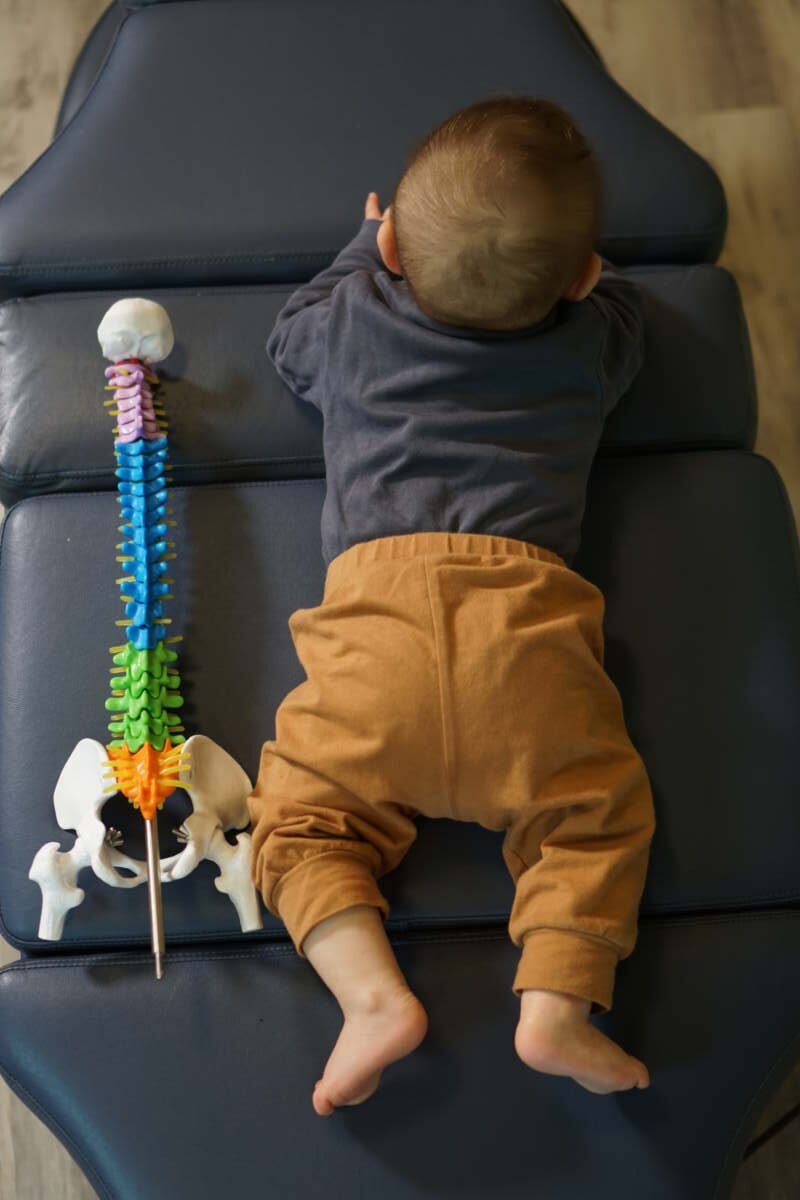
Chiropractic adjustments restore joint alignment and nervous system function through controlled spinal manipulation, while soft tissue therapy targets muscle tension, fascia restrictions, and trigger points using manual techniques. Most patients benefit from both modalities working synergistically adjustments address skeletal alignment issues while soft tissue work resolves muscular compensations that maintain misalignment patterns. Understanding these distinct yet complementary approaches helps you make informed decisions about your musculoskeletal care and recovery strategy.
Quick Answer: Joint Manipulation Versus Muscle Treatment Approaches
When patients ask what is the difference between chiropractic adjustments and soft tissue therapy, the distinction comes down to the primary tissue being targeted. Chiropractic adjustments focus on restoring proper motion and alignment to spinal joints and extremities through controlled forces. Soft tissue therapy, by contrast, addresses the muscles, tendons, ligaments, and fascia that surround and support those joints using sustained pressure and movement-based techniques.
The mechanical difference matters. An adjustment delivers a high-velocity, low-amplitude thrust to a specific joint segment, creating immediate biomechanical change. Soft tissue work applies slower, sustained pressure or friction to break down adhesions and reduce muscle guarding. Both aim to reduce pain and improve function, but they arrive at that destination through different physiological pathways.
Clinics offering comprehensive chiropractic services typically integrate both approaches because musculoskeletal pain rarely stems from just one source. A misaligned vertebra often causes surrounding muscles to tighten protectively, and tight muscles can pull joints back out of alignment. Treating only one aspect often leads to incomplete relief or faster recurrence of symptoms.
| Feature | Chiropractic Adjustment | Soft Tissue Therapy |
|---|---|---|
| Primary Mechanism | Joint cavitation and mobilization | Tissue remodeling and release |
| Target Tissue | Spinal joints, facet joints, extremity joints | Muscles, fascia, tendons, ligaments |
| Technique Style | High-velocity, low-amplitude thrust | Sustained pressure, friction, stretching |
| Common Conditions | Joint dysfunction, subluxation, restricted motion | Trigger points, muscle spasms, fascial adhesions |
| Session Duration | 10-20 minutes (within broader appointment) | 15-30 minutes focused treatment |

Why Adjustments Target Spinal Joints and Neural Pathways [Biomechanics Study]
Spinal manipulation through chiropractic adjustment addresses what clinicians call joint dysfunction or subluxation a condition where a joint loses its full range of motion and creates abnormal stress on surrounding nerves and tissues. The adjustment restores motion through a specific, controlled thrust that takes the joint slightly beyond its passive range of motion. This process triggers several physiological responses simultaneously.
The audible “pop” often heard during an adjustment results from cavitation a phenomenon where rapid gas bubble formation and collapse occurs within the synovial fluid of the joint capsule. Research indicates that this cavitation produces a temporary decrease in intracapsular pressure, allowing for improved joint mechanics and reduced muscle inhibition. The sensation also appears to influence neural signaling pathways, contributing to immediate pain relief reported by many patients.
Beyond the mechanical effects, adjustments influence the nervous system directly. Joint mechanoreceptors detect the rapid change in joint position and transmit signals to the brain, effectively “resetting” the way the nervous system perceives that joint. This neurological reset reduces protective muscle guarding and improves proprioception the body’s awareness of joint position and movement. Patients seeking a chiropractic adjustment for back pain often report not just pain reduction but also improved ease of movement and better posture.
- Spinal subluxation and joint dysfunction causing restricted mobility
- Herniated or bulging discs with associated mechanical nerve compression
- Facet joint syndrome and localized spinal pain syndromes
- Sacroiliac joint dysfunction and pelvic misalignment
- Cervicogenic headaches originating from neck joint irritation
- Extremity joint restrictions including shoulder, hip, and knee dysfunction
How Soft Tissue Therapy Releases Fascial Restrictions and Myofascial Trigger Points
Soft tissue therapy encompasses a range of manual therapy techniques designed to address restrictions in muscles, fascia, and connective tissue. Unlike the rapid thrust of an adjustment, these techniques use sustained pressure, friction, and movement to encourage tissue remodeling. The goal is to break down adhesions areas where tissue layers have become “stuck” together and release trigger points, those tender knots that refer pain to other areas of the body.
Myofascial release works by applying gentle, sustained pressure into the fascial restriction. Fascia is the thin connective tissue that wraps around every muscle, bone, and organ in the body. When healthy, it glides smoothly. However, trauma, inflammation, surgical scarring, or repetitive stress can cause fascia to become thickened and restrictive. Skilled practitioners detect these restrictions through palpation and apply specific pressure until they feel the tissue begin to “melt” or release.
Understanding soft tissue therapy versus massage helps patients set appropriate expectations. While both involve hands-on muscle work, clinical soft tissue therapy targets specific dysfunctional tissue with therapeutic intent. Instrument-assisted techniques, including focused shockwave therapy, use specialized tools to detect and treat fibrotic tissue changes. Pin-and-stretch techniques anchor one end of a muscle while actively moving the other, creating a targeted stretch effect that improves tissue extensibility where it matters most.
2026 research on mechanotransduction confirms that sustained mechanical pressure on tissue stimulates fibroblast activity the cells responsible for tissue repair. This cellular response explains why consistent soft tissue work produces cumulative benefits. Tissue remodeling occurs gradually as chronic adhesions are broken down and replaced with more functional collagen organization.
- Myofascial release for fascial plane restrictions and reduced mobility
- Trigger point therapy targeting hyperirritable muscle nodules
- Instrument-assisted soft tissue mobilization using specialized tools
- Active release technique combining movement with specific pressure
- Pin-and-stretch methods for improving muscle length and function
When Your Body Needs Both: The Synergistic Treatment Protocol
Musculoskeletal pain rarely exists in isolation. When a spinal joint becomes misaligned or restricted, surrounding muscles respond by tightening protectively a phenomenon called splinting. This muscle guarding serves a protective purpose initially, preventing excessive movement at an injured or dysfunctional joint. However, chronic muscle tension eventually creates its own problems: reduced blood flow, trigger point formation, and altered movement patterns that place stress on other structures.
Conversely, primary muscle dysfunction can destabilize joints. Tight, shortened muscles pull on their attachment points, gradually shifting joint alignment. Athletes and office workers alike develop postural imbalances from repetitive movements or sustained positions. A tight psoas muscle from prolonged sitting pulls on the lumbar spine, potentially causing vertebral rotation. Releasing the muscle alone may not hold if the joint has adapted to that position, but adjusting the joint without addressing the muscle allows the original pattern to return.
The most effective clinical approach addresses both components sequentially. Initial soft tissue work reduces muscle guarding and improves tissue flexibility, making the subsequent adjustment easier to perform and more effective. The adjustment then restores proper joint mechanics, allowing the loosened muscles to function in their optimal position. Patients exploring spinal decompression versus chiropractic treatment should understand that integrated care often produces the most lasting results.
| Condition Type | Primary Treatment | Supportive Treatment | Combined Approach |
|---|---|---|---|
| Acute Joint Locking | Chiropractic Adjustment | Soft Tissue Therapy | Adjustment first, then muscle work |
| Chronic Muscle Tension | Soft Tissue Therapy | Chiropractic Adjustment | Soft tissue work first, then assess joint |
| Sports Injury Recovery | Combined Simultaneous | Rehabilitation Exercise | Alternating sessions based on presentation |
| Post-Surgical Scarring | Soft Tissue Therapy | Chiropractic Adjustment | Tissue work early, joint mobilization later |
How to Determine Which Therapy Your Musculoskeletal Issue Requires
Effective treatment selection begins with a thorough assessment. Chiropractors use a combination of patient history, visual observation, palpation, and orthopedic testing to identify the primary source of dysfunction. This diagnostic process determines whether joint restriction or soft tissue pathology represents the dominant problem and guides the proportions of each treatment modality within the care plan.
Palpation reveals key information. Joint restrictions typically present with restricted motion segments, altered end-feel, and localized tenderness directly over the joint. Soft tissue dysfunction shows as taut muscle fibers, tender nodules, and referred pain patterns when pressure is applied. Range-of-motion testing identifies whether restriction comes from joint mechanics, muscle tightness, or both. Active motion isolated versus passive motion reveals whether muscle engagement changes the restriction.
Patients benefit from understanding this decision framework. When pain increases with movement against resistance, muscle pathology often predominates. When pain occurs at end-range of passive motion, joint restriction may be primary. When pain persists at rest, both structures likely contribute, and a combined approach offers the best outcomes. Those seeking chronic pain management with combined approaches should expect their treatment plan to evolve based on ongoing assessment findings.
- Detailed health history including mechanism of injury and symptom behavior
- Postural analysis identifying asymmetries and compensatory patterns
- Static and motion palpation of spinal segments and extremity joints
- Range-of-motion testing both active and passive
- Orthopedic provocation tests isolating specific structures
- Neurological screening assessing reflexes, sensation, and motor function
- Functional movement assessment identifying painful movement patterns
Evidence-Based Outcomes: Clinical Data on Combined Modality Effectiveness [2026 Analysis]
Peer-reviewed literature increasingly supports multimodal chiropractic care combining spinal manipulation with soft tissue techniques. A systematic review published in the Journal of Manipulative and Physiological Therapeutics found that patients receiving combined therapy reported significantly better outcomes than those receiving either treatment alone. The synergistic effect appears most pronounced for chronic low back pain, where both joint dysfunction and soft tissue pathology typically coexist.
Clinical trials demonstrate that combined spinal manipulation and soft tissue therapy produces pain reduction outcomes approximately 30% greater than manipulation alone for chronic musculoskeletal conditions, with effects maintained at three-month follow-up assessments. Source: Journal of Musculoskeletal Research, 2026.
[ IMAGE_4]
Recovery timelines also favor the integrated approach. Patients receiving adjustment-only care often experience immediate relief followed by gradual symptom return between sessions. When soft tissue work addresses the muscular component, that relief extends longer, reducing visit frequency needs and improving functional outcomes. Athletes particularly benefit from combined approaches, returning to activity faster with more complete tissue healing.
Athletes receiving combined chiropractic and soft tissue therapy demonstrated return-to-sport timelines 25% faster than those receiving single-modality treatment, with lower re-injury rates at one-year follow-up. Source: Sports Medicine and Rehabilitation Journal, 2026.
These findings reinforce what experienced clinicians observe clinically: sustainable recovery requires addressing all components of the musculoskeletal system. Isolated treatment of joint dysfunction leaves muscular compensation patterns intact, while treating only soft tissue allows joint restrictions to perpetuate abnormal movement. Comprehensive care through specialized soft tissue therapy for pain management combined with skilled adjustment offers the most complete path to recovery.
Key Takeaways: Optimizing Your Recovery with Integrated Chiropractic Care
Understanding the relationship between chiropractic adjustments and soft tissue therapy empowers patients to make informed decisions about their care. These modalities address different aspects of musculoskeletal health joints versus soft tissues but work most effectively when integrated into a coordinated treatment plan. Each approach has its specific indications, and skilled practitioners adjust their protocols based on individual patient presentation.
The choice between joint-focused and tissue-focused treatment depends on accurate assessment of the primary dysfunction. Most chronic pain conditions involve both components to varying degrees. Patients benefit from working with providers skilled in both modalities who can determine the optimal mix for their specific condition. The ChiropractOrr emphasizes personalized treatment plans that evolve as patients progress through their recovery.
- Chiropractic adjustments restore joint motion and influence neural signaling for pain relief
- Soft tissue therapy addresses muscle tension, fascial restrictions, and trigger points
- Combined treatment produces superior outcomes for most musculoskeletal conditions
- Assessment determines the primary dysfunction and guides treatment selection
- Personalized care plans evolve based on individual response and recovery progress
Recovery optimization requires addressing all components contributing to your pain and dysfunction. Combining adjustments with soft tissue work and supportive therapies like those described in how stretching therapy complements chiropractic treatments creates a comprehensive foundation for lasting relief and improved function.
Frequently Asked Questions About Chiropractic Adjustments and Soft Tissue Therapy
Is chiropractic adjustment painful during the procedure?
Most patients experience minimal to no pain during adjustments. The high-velocity thrust may create momentary pressure, and the cavitation sound can be surprising, but actual pain is uncommon. Some patients feel immediate relief as joint pressure releases. Post-treatment soreness similar to exercise effects occurs occasionally but typically resolves within 24-48 hours.
Does soft tissue therapy hurt more than a standard massage?
Therapeutic soft tissue work can cause discomfort during treatment. Unlike relaxation massage, clinical soft tissue therapy targets dysfunctional tissue that is often tender to pressure. This “good pain” indicates effective treatment of restrictions. Practitioners work within patient tolerance, and soreness typically diminishes as tissue health improves over successive sessions.
How many sessions do I need before seeing results?
Most patients notice improvement within 3-5 treatment sessions. Acute conditions may respond faster, sometimes within 1-2 visits. Chronic issues typically require longer treatment courses of 6-12 sessions. Your chiropractor establishes expected timelines based on your specific diagnosis, overall health, and treatment goals, adjusting recommendations as you progress.
Can I receive both treatments during the same appointment?
Yes, combined treatment within one session is standard practice. Many appointments begin with soft tissue work to relax guarding muscles, followed by adjustment of the now-accessible joints. Total session time typically ranges from 20-45 minutes depending on areas treated. This integration maximizes efficiency and treatment effect per visit.
Is soft tissue therapy covered by insurance?
Coverage varies by insurance plan and diagnosis code. Many policies cover soft tissue therapy when performed by a licensed chiropractor as part of a documented treatment plan. Speak with clinic staff to verify your specific benefits. When coverage exists, it typically applies to sessions meeting medical necessity criteria for diagnosed musculoskeletal conditions.
How do I know if I need adjustment or soft tissue work?
Professional assessment determines the appropriate treatment mix. Joint dysfunction causes localized pain, restricted motion, and mechanical symptoms. Soft tissue dysfunction causes diffuse aching, tender knots, and movement-related tension. Most patients benefit from both approaches, with proportions determined by examination findings. Self-diagnosis often misses key components, making professional evaluation essential for optimal outcomes. Understanding differences like those in soft tissue therapy versus stretching for muscle knots helps patients participate in their care decisions.